Archived: 19 October 2026
Abstract
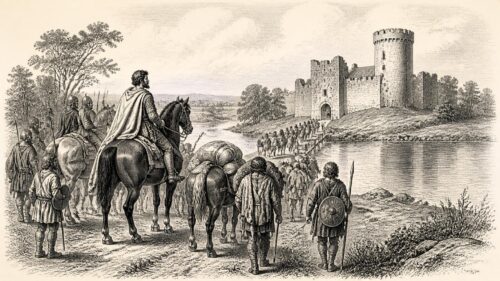
In 1499, Gerald FitzGerald, earl of Kildare and royal deputy, campaigned in Connacht, seizing Athleague, Tulsk, Roscommon and Castlerea, redistributing lordship and hostages among allied factions. Mac William Burke and displaced O’Kelly forces soon recovered Athleague and Tulsk, demonstrating the fragility of imposed authority. Succession and conflict reshaped Moylurg, Tír Chonaill, Fermanagh and Thomond, where O’Donnell raided, negotiated with Kildare and suppressed internal rebellion, while an O’Brien force defeated Butler followers. Annals also record religious and aristocratic hospitality, and Pale parliamentary regulation. Warfare, castles, cattle, hostages, tribute and negotiation repeatedly remade Ireland’s overlapping political order across Ireland’s contested regional frontiers.
Read Article
Archived: 19 October 2026
Abstract
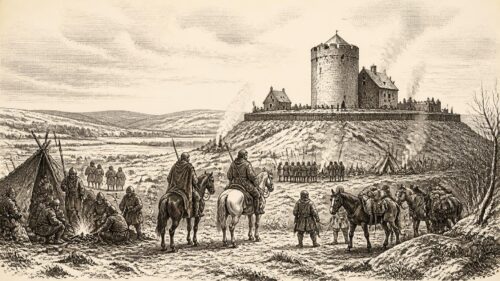
In 1471, Ireland’s competing lordships pursued power through sieges, raids, hostages, alliances and negotiated submissions. Henry O’Neill captured Oghmagh after a winter-long siege, strengthening his son Conn’s position, while northern settlements accompanied continued conflict. In Fermanagh, Thomas Óg Maguire surrendered lordship to his son Edmund, illustrating dynastic succession, patronage and ecclesiastical connections. Connacht saw lineage violence, cattle-raiding and contested castles, while English and Gaelic forces contested frontier regions. Churchmen and learned families remained politically vulnerable yet valued. Annals also recorded unusual weather: damaging spring hail, followed by heat, drought, early crops and abundant nuts, linking security to land and harvest.
Read Article
Archived: 21 October 2026
Abstract
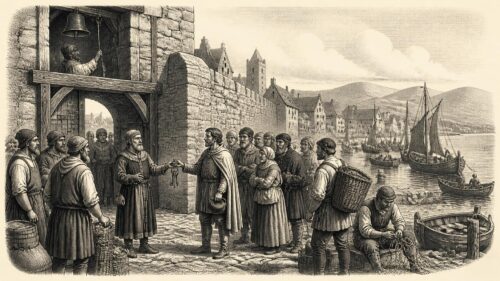
On 10 May 1389, Galway’s bell summoned burgesses and townspeople to surrender the keys of its gates to William Burke, lord of Upper Connacht, excluding royal ministers. Following a 1388 oath of fealty and grants of revenues, the action reflected local insecurity and accommodation, while retention of customs suggested caution. Galway’s choice occurred amid Connacht’s shifting wars, raids, captures, killings and pragmatic settlements, where control of resources shaped power. Annals record contested successions and deaths across Ireland. With government weakened after Robert de Vere’s fall and only later reorganised under John Stanley, authority remained fragmented among towns, lords and communities.
Read Article

Archived: 21 October 2026
Abstract
On 5 November 1388, Galway’s burgesses publicly swore fealty to William Burke of Clanricarde, transferring royal local revenues, except customs, and demonstrating preference for regional protection over Richard II’s distant authority. Their bloodless revolt formed part of wider competing jurisdictions. Connacht suffered extensive warfare among O’Conor branches and allied lordships, involving raids, burning of homes and corn, prisoners, hostages and mercenary forces. Conflict also touched Assaroe and north-western territories, while violence killed learned men and a local lord. Fosterage linked Desmond’s heir with an O’Brien household. Despite de Vere’s fall, royal administration issued writs, but lacked effective command in Ireland.
Read Article
Archived: 23 October 2026
Abstract
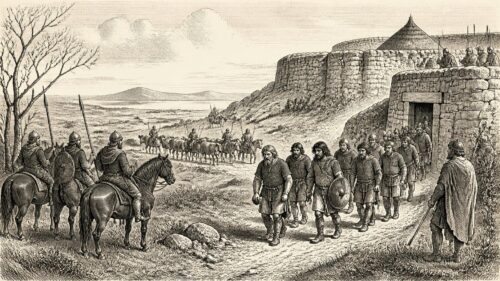
In 1336, Connacht remained fragmented after William de Burgh’s murder, as Gaelic and Anglo-Irish lords pursued raids, alliances and territorial advantage. Tomaltach Mac Diarmata of Moylurg died and was buried at Boyle Abbey, succeeded by Conchobar. Forces led by Toirrdelbach Ó Conchobair captured and destroyed Mac Goisdelb’s Great Castle, allowing its mercenary garrison safe departure. Ruaidhri Ó Ceallaigh, king of Uí Maine, was killed, while Toirrdelbach reshaped alliances through marriage. Edmund Mac William de Burgh was expelled. Warfare reached Tír Chonaill. Legal scholar Trinnoit Ó Naan died. Severe snow and frost devastated cattle and winter growth, straining communities across Ireland.
Read Article





