Archived: 2 November 2026
Abstract
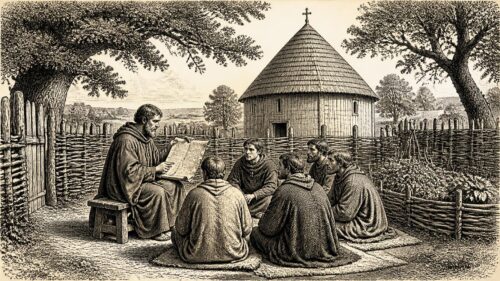
In 685 CE, Ireland’s surviving record is unusually sparse, but it is not empty. The year is best approached through a small, difficult cluster of annalistic notices: the death of Banbán ‘Os Cach’, described as a learned man and, in the fuller notice of the Annals of Tigernach, lector of Kildare; the repose of Forcrann, abbot of Clonmacnoise; and events in northern Britain recorded by Irish writers, above all the defeat and death of the Northumbrian king Ecgfrith at Dún Nechtain on 20 May. These sources do not preserve a single narrative of Ireland in 685. Their differing chronological systems
Read Article
Archived: 2 November 2026
Abstract
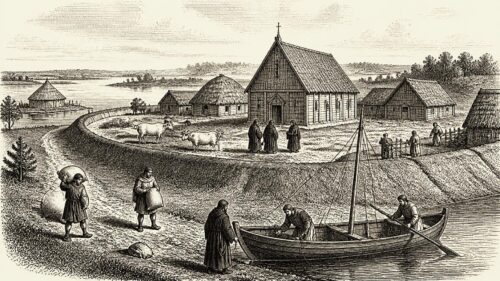
In 683 CE, Ireland’s surviving annalistic record places political violence, contested provincial authority and the first reported onset of a grave mortality within the same year. The entries are terse, but their conjunction is striking: Dúnchad Muirisce, king of Connacht, was killed; Colgu, son of the former Tara ruler Blathmac, fell in the battle of Corann alongside Fergus, king of Cenél Cairpri; two strongholds were besieged; and, in October, a disease described as the “mortality of children” began. For a society whose history was usually recorded through the fates of rulers, clerics and religious houses, this last notice points beyond
Read Article
Archived: 2 November 2026
Abstract
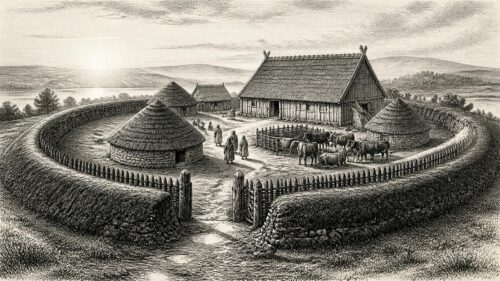
In 682 CE, the clearest Irish event is the killing of Cenn Fáelad son of Colgú, styled king of Connacht in the annals. The Annals of Ulster preserve the event in a terse entry; the related Annals of Tigernach and Chronicon Scotorum name his killer as Ulcha Derg, grandson of Caillide, of the Conmaicne Cúile. Tigernach adds the vivid but limited detail that Cenn Fáelad was slain after the Conmaicne had stormed his house. It is the year’s central fact: a provincial king died violently in his own residence, not in a named pitched battle. The sources provide neither a
Read Article
Archived: 2 November 2026
Abstract
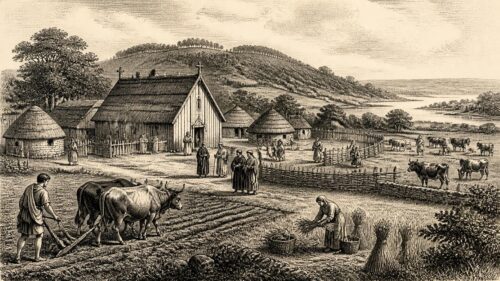
In 681 CE, Ireland’s surviving annalistic record preserves three securely associated notices: the killing of Cenn Fáelad, described as king of Connacht; a battle at Ráith Mór in Mag Line against Britons, in which Cathasach, king of the Cruithin, was killed; and the death of Suibne, superior of Corcach. These are short entries, but they reveal a political world in which royal authority remained precarious, conflict crossed the narrow seas, and ecclesiastical communities were led by figures important enough to be entered beside kings and battles. The evidence must be handled carefully. The Annals of Ulster place these items under
Read Article
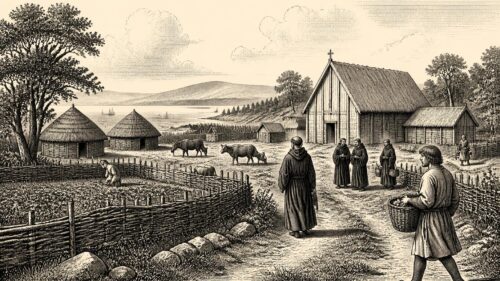
Archived: 2 November 2026
Abstract
In 680 CE, Ireland’s surviving annalistic record brings together a striking mixture of dynastic violence, ecclesiastical change and a grave outbreak of illness. The entries are brief, and the manuscripts that preserve them were written much later, so their calendar headings require care. This account follows modern chronological synchronisation rather than simply repeating the sometimes displaced year-numbers in individual annals. On that basis, several developments can responsibly be assigned to 680: the death of Colmán, abbot of Bennchor (Bangor); the killing of Fíanamail mac Máel Tuile, king of Leinster; deaths and fighting in several regions; and, most memorably, the report
Read Article
