Archived: 27 October 2026
Abstract
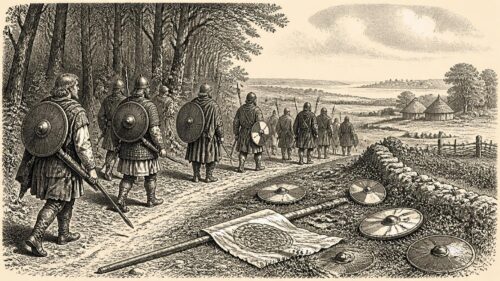
A King Killed in Leinster The decisive Irish event conventionally placed in 956 was the killing of Congalach Cnogba, king of Ireland, at Tech Giurann in Leinster. The Annals of Ulster name his attackers as the foreigners of Áth Cliath—Dublin—and the Laigin, or Leinstermen; they also record the death of Áed son of Aichid, king of Tethbae, and “many others”. Chronicon Scotorum makes the disaster still more explicit: Congalach fell with his royal household, and names Matudán son of Áed son of Máel-mithig and Cormac son of Cathalán, king of Fir Arda, among the dead. This was not a routine
Read Article
Archived: 27 October 2026
Abstract
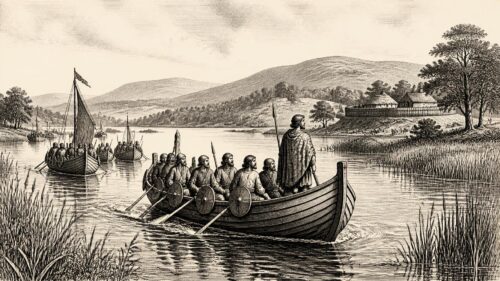
In 955, according to annalistic chronology, Domnall son of Muirchertach led ships from northern waters through Lough Neagh, Airgialla, Lough Erne and Lough Oughter into Bréifne, where he plundered and took hostages from Ua Ruairc. The expedition demonstrated the political importance of waterways and coercive overlordship. Dates and claims to high kingship remain disputed: Congalach Cnogba was still campaigning before his recorded death in the following annalistic year. Other notices record Leinster fighting and Domnall’s raid, Fearghal’s fleet on Loch Cé, and deaths among secular and ecclesiastical leaders. Together, they depict Ireland where forces, lordship, monasteries and networks shaped power.
Read Article
Archived: 27 October 2026
Abstract
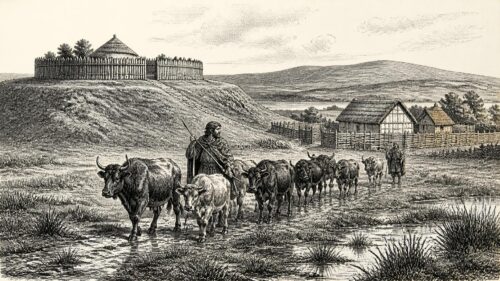
In 954, Irish annals record a great cattle murrain throughout Ireland, threatening wealth, food supplies, tribute and political power. Ua Ruairc inflicted a major defeat on Cairpre and Tethba, killing their king, amid wider instability in the midlands and north-west. Congalach of Tara faced growing pressure from Domnall ua Néill, supported by Dublin, while violence also affected Brega. Cellachán, king of Cashel, died, weakening Éoganacht prominence as Dál Cais influence grew. Numerous bishops, abbots and ecclesiastical successors also died, demonstrating church networks’ importance. Differing annalistic accounts require caution, particularly because Congalach’s death belongs to 956, not 954, in reliable records.
Read Article
Archived: 27 October 2026
Abstract
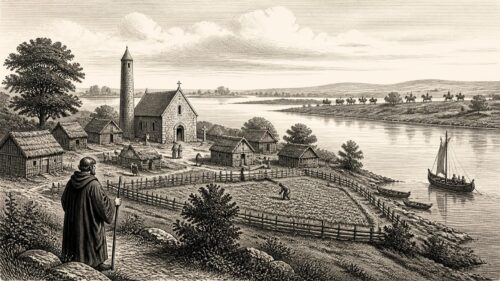
Annals for 951 record a Munster foray by Cellachán and Donnchadh against Clonfert and Clonmacnoise, illustrating monasteries’ religious and political importance. They also note the death of Cennétig son of Lorcán, Dál Cais ruler and Cashel claimant, whose loss altered north Munster’s balance without ensuring his descendants’ ascendancy. Differently aligned annals associate the period with Dublin-led raids in Meath, captivity, disease among Dublin’s foreigners and bee mortality, but chronology remains uncertain. Congalach remained high king amid fragmented authority. The records portray Ireland as a contested network of dynasties, churches and Scandinavian forces, where violence, wealth, belief and environmental disruption intersected.
Read Article

