
Archived: 21 October 2026
Abstract
In 1390, rivalry between Tighearnán Mór Ó Ruairc of West Breifne and Tomás Mór Ó Raghallaigh of East Breifne drew allied kindreds into a great war. Maghnus Ó Ruairc escaped captivity at Lough Oughter but was killed near Lough Scur. Peace followed, secured by concessions, hostages and expulsions, though raids, forced movements and cattle losses continued. Tomás’s death brought Seán Ó Raghallaigh to power. Elsewhere, Kilbarron Castle was demolished, while legal, historical and ecclesiastical figures died. The Book of Ballymote’s late fourteenth-century compilation reflected enduring scholarly patronage. Despite English justiciar Sir John Stanley, regional lords managed conflict and settlement independently.
Read Article
Archived: 22 October 2026
Abstract
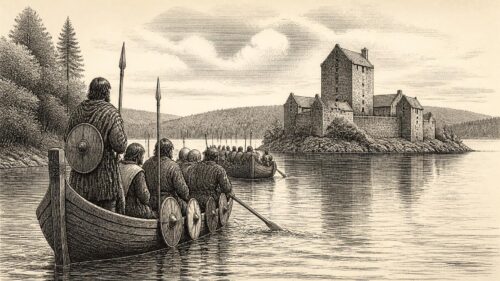
In 1369, Ireland’s contested lordships were shaped by dynastic conflict, royal administration and ecclesiastical change. Pilib Ó Raghallaigh, king of east Breifne, was imprisoned by nephews at Lough Oughter, but his son-in-law, Pilib Maguire of Fermanagh, captured the island castle by boat and restored him. Allied resistance had earlier failed at Blencup. William Windsor arrived as royal lieutenant, summoned a Dublin parliament, and executed Diarmait Mac Murchadha and his designated successor, demonstrating force without securing Leinster. In Thomond, Mathghamhain Ó Briain died and Brian Sreamhach succeeded. Church deaths in Oriel and Breifne underscored political importance. Alliances and waterways shaped power.
Read Article
Archived: 24 October 2026
Abstract
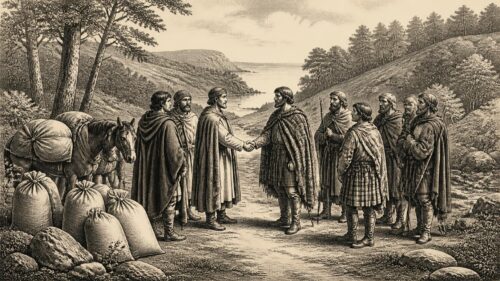
In 1327, Ireland experienced overlapping political, military and social crises amid the accession of Edward III. Thomas FitzGerald, earl of Kildare, became justiciar, but magnates contested royal authority while trade and administration continued. At Glendun, Robert Bruce secured a year’s truce with Ulster, paid for by promised wheat and barley. Domhnall Mac Murchadha was proclaimed king in Leinster before capture by royal officers. Rival Anglo-Irish lords devastated lands during private war, while O’Rourkes and O’Reillys fought over Lough Oughter. A widespread speckled sickness, probably smallpox but diagnostically uncertain, killed people across social ranks alike, disrupting labour, food supplies and lordship.
Read Article
Archived: 27 October 2026
Abstract
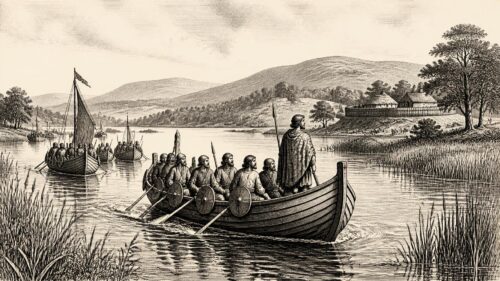
In 955, according to annalistic chronology, Domnall son of Muirchertach led ships from northern waters through Lough Neagh, Airgialla, Lough Erne and Lough Oughter into Bréifne, where he plundered and took hostages from Ua Ruairc. The expedition demonstrated the political importance of waterways and coercive overlordship. Dates and claims to high kingship remain disputed: Congalach Cnogba was still campaigning before his recorded death in the following annalistic year. Other notices record Leinster fighting and Domnall’s raid, Fearghal’s fleet on Loch Cé, and deaths among secular and ecclesiastical leaders. Together, they depict Ireland where forces, lordship, monasteries and networks shaped power.
Read Article





