Archived: 12 October 2026
Abstract
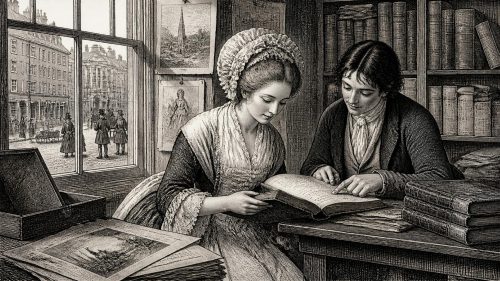
In 1789, George III’s incapacity prompted Ireland’s parliament to invite the Prince of Wales to govern as unrestricted regent, asserting constitutional judgement distinct from Westminster before the king’s recovery ended the crisis. The episode exposed parliament’s Protestant, elite and unrepresentative character, while the Irish Whig Club reflected growing reform organisation. Rural proclamations recorded conflicts over land, tithes and authority amid an unequal agricultural economy. Charlotte Brooke’s Reliques of Irish Poetry made Irish-language literature accessible through English paraphrases and Irish texts, demonstrating scholarly networks despite women’s exclusion from institutions. News from France widened debate, foreshadowing 1790s upheavals without determining Irish politics.
Read Article
Archived: 12 October 2026
Abstract
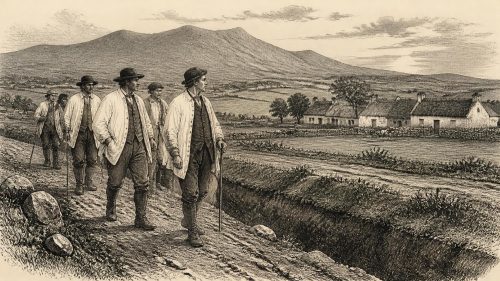
In 1761, George III’s accession prompted Ireland’s first general election since 1727 and a new parliament, where Charles Lucas and other patriots challenged restrictions on legislative control of revenue. Yet the year’s most significant development began in southern Tipperary, where Whiteboys around Ballyporeen resisted enclosures, tithe demands and local exactions through nocturnal, disguised collective action. Initially called Levellers, they established methods later rural movements adopted. Galway’s Protestant corporation sought to restrict Catholic commercial activity through the Black Petition. Meanwhile, the Seven Years’ War brought naval impressment. The year exposed constitutional weakness, confessional exclusion and rural insecurity without producing national rebellion.
Read Article
Archived: 12 October 2026
Abstract
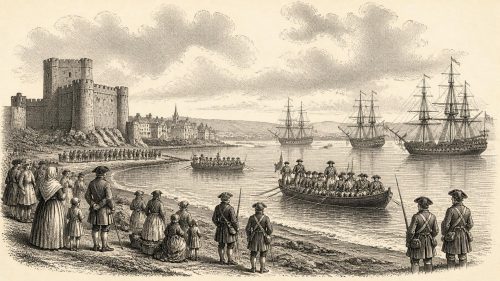
In February 1760, François Thurot’s French force of about 600 men captured Carrickfergus, requisitioned supplies and threatened Belfast, prompting local defences, negotiations and widespread mobilisation. The raiders departed on 26 February and were defeated two days later off the Isle of Man, where Thurot was killed. The episode exposed Ireland’s coastal vulnerability during the Seven Years’ War. In Dublin, Catholics established a committee to seek cautious relief from penal laws, supported by public debate. George II’s death brought George III’s accession, dissolution of parliament and electoral agitation. Rural insecurity, religious inequality and surviving Gaelic musical traditions also shaped Irish life.
Read Article


