Archived: 10 October 2026
Abstract
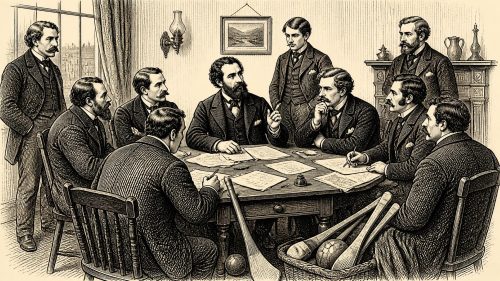
In 1884, Michael Cusack, Maurice Davin and others founded the Gaelic Athletic Association at Hayes’s Commercial Hotel, Thurles, to organise and promote Irish games and athletics. Supported by patrons including Charles Stewart Parnell, Michael Davitt and Archbishop Croke, it linked recreation with nationalist cultural confidence, though formal rules followed in 1885. Meanwhile, franchise reform widened male voting rights without enfranchising women or all men, intensifying Home Rule politics and land concerns. Emigration exceeded natural population growth, while disease and infant mortality remained high. Nine women received Royal University degrees, signalling limited educational progress amid persistent social, economic and religious inequalities.
Read Article

Archived: 10 October 2026
Abstract
In 1875, Irish politics exposed emerging strains within constitutional nationalism. John Mitchel’s two Tipperary victories, followed by parliamentary disqualification and his death, made elections vehicles for protest. Charles Stewart Parnell entered Parliament for Meath, while Joseph Biggar’s resistance to coercion foreshadowed new Westminster tactics. Thomas Croke became archbishop of Cashel, initially concentrating on diocesan affairs. Population decline, emigration and livestock dependence reflected post-Famine economic change, while Dublin’s whiskey fire revealed urban industrial danger. Railway expansion, Ireland’s first rugby international, and Hibernian Football Club’s foundation demonstrated widening commercial, sporting and migrant connections, anticipating later political and agrarian conflicts across Irish society.
Read Article

Archived: 10 October 2026
Abstract
In 1848, renewed potato blight shattered hopes of Irish recovery after the catastrophic famine year of 1847, deepening hunger, disease and regional inequality. With soup kitchens closed, Poor Law unions, overcrowded workhouses and restricted outdoor relief became central, often forcing destitute tenants to surrender land. Cholera’s arrival foreshadowed mortality. Meanwhile, European revolutions inspired Young Ireland militants. John Mitchel’s United Irishman prompted the Treason Felony Act and his transportation; The Irish Felon briefly continued radical journalism. After habeas corpus was suspended, Smith O’Brien’s poorly supplied rising collapsed at Ballingarry. Subsequent trials created nationalist martyrs, while emigration, eviction and death devastated communities.
Read Article
Archived: 11 October 2026
Abstract
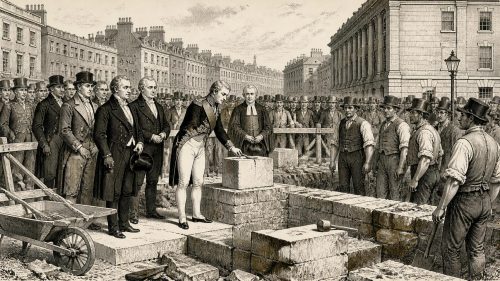
In 1814, post-Union Ireland faced peace as Napoleon’s abdication altered wartime trade while rural poverty and land tensions persisted. Robert Peel’s government answered disturbances, notably in Tipperary’s Middlethird, with the Peace Preservation Act, creating salaried magistrates and constables and strengthened coercive powers against unlawful combinations. Catholic politics were divided over a proposed Crown veto on bishops, with Daniel O’Connell opposing state control; emancipation remained unresolved. Dublin saw Whitworth lay the General Post Office foundation stone and Chapel Royal inaugurated, while Belfast’s Academical Institution opened. Shaw Mason began his parochial survey, and the Apprentice Boys Club formed in Derry, reflecting division.
Read Article
Archived: 12 October 2026
Abstract
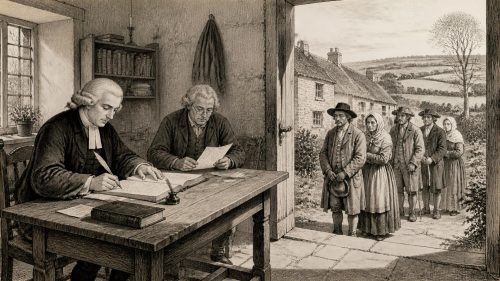
In 1766, Ireland’s Protestant authorities ordered a religious return distinguishing Protestant and Catholic householders and listing Catholic clergy. Conducted unevenly by Church of Ireland ministers, it revealed confessional inequality but survives only fragmentarily. In south Tipperary, Father Nicholas Sheehy, sympathetic to agrarian grievances associated with the Whiteboys, became a target of anxious magistrates and gentry. Acquitted of rebellion charges, he was convicted of murder despite disputed evidence and executed at Clonmel. Further executions followed. These events exposed a state classifying an excluded Catholic majority while repressing rural resistance amid commercialising agriculture, constitutional constraints, Protestant dominance, and fears of Catholic disloyalty.
Read Article




