Archived: 9 October 2026
Abstract
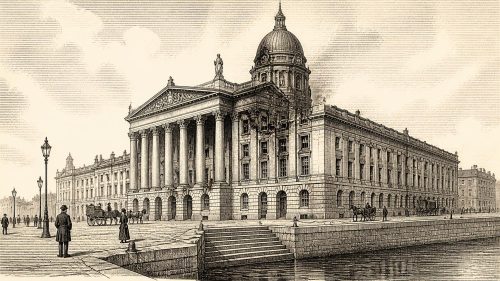
In 1921, Ireland moved from intense War of Independence fighting towards truce and treaty, amid coercion, raids and executions. IRA engagements at Crossbarry and Tourmakeady maintained pressure, while the Custom House burning destroyed records but cost lives and arrests. May elections confirmed Sinn Féin’s southern mandate and established Northern Ireland’s unionist government. The 11 July truce ended principal IRA–Crown operations but not Belfast’s sectarian violence. London negotiations produced the December Anglo-Irish Treaty, creating a dominion Free State while retaining the Crown, partition and British naval facilities. Signed but unapproved, it deeply divided republicans, leaving border, constitutional and security questions unresolved.
Read Article
Archived: 17 October 2026
Abstract
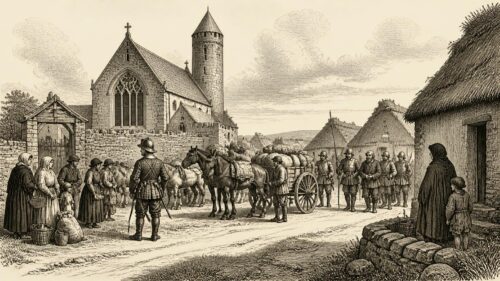
In 1582, the Second Desmond Rebellion persisted as a destructive Munster war despite John of Desmond’s death near Castlelyons. Raiding, military reprisals and disrupted cultivation produced famine and disease; contemporary reports described catastrophic mortality, affecting loyalists and rebels alike. At Ardfert, Captain Zouch’s garrison burdened local communities and took hostages; after a raid killed Captain Houghton, annals allege children hostages were hanged. Desmond remained militarily active, while reduced crown forces combined pardons with coercion. Political change followed Arthur Grey’s departure, Ormond’s enhanced Munster authority, and wider instability in Wicklow, Connacht and Ulster. Gaelic learned traditions nevertheless endured amid ongoing conflict.
Read Article
Archived: 17 October 2026
Abstract
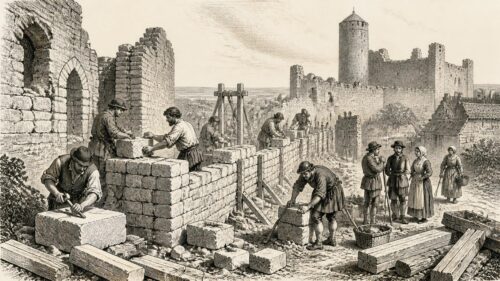
In 1576 Sir Henry Sidney extended Tudor authority through provincial journeys, submissions, hostages, county organisation and garrisons, but encountered persistent resistance. At Athenry, devastated during Burke conflict, he ordered a smaller defensible enclosure, yet reconciliation collapsed when Clanricarde’s sons defied restrictions, leaving rebuilding incomplete. Connacht’s new counties and Nicholas Malby’s command joined administration to coercive warfare. William Drury’s Munster presidency introduced courts, martial law and proposed composition, threatening lordly power. Rory Óg O’More’s resistance exposed instability in the midlands. Succession disputes, learned men’s deaths, fires and Essex’s death further marked a year in which expanding government failed to secure consent.
Read Article

