Archived: 17 October 2026
Abstract
In 1585 Sir John Perrot sought to extend Tudor government through parliament, negotiated revenues and regional settlements. Dublin’s parliament drew Gaelic, Old English and crown interests together, recognising Hugh O’Neill as earl of Tyrone, yet resistance to cess and limited attendance exposed fragile consent. The Composition of Connacht and Thomond converted traditional exactions into recorded cash payments, though coercion, abuses and refusals persisted. In Ulster, Perrot temporarily accommodated rival O’Neill claims while creating new counties, but MacDonnell power remained resilient. Religious repression, local violence, damaged crops and noble succession further revealed a kingdom governed through negotiation, insecurity and competing loyalties.
Read Article

Archived: 17 October 2026
Abstract
In 1581, Arthur Grey’s Tudor administration tightened control in Ireland through raids, garrisons, submissions, forfeiture and negotiation, but failed to secure peace. Stanley and Russell burned Fiach MacHugh O’Byrne’s Ballinacor stronghold; Fiach later submitted conditionally, while the excluded Baltinglass continued raids before fleeing abroad. Confiscated estates rewarded Crown servants, whereas cess burdened loyal communities. Munster’s Desmond rebellion endured amid scorched-earth warfare, famine, displacement and Nicholas Sander’s death. Grey negotiated rather than fought Turlough Luineach O’Neill in Ulster, while Malby pressed Connacht. Catholic links persisted through Dermot O’Hurley’s appointment; Derricke’s publication promoted conquest. War extended Tudor authority while creating enduring grievances.
Read Article

Archived: 17 October 2026
Abstract
In 1579 a small landing on the Kerry coast turned Munster into the centre of a new and far more dangerous phase of resistance to Elizabeth I’s government in Ireland. The immediate military force was tiny. Its significance lay instead in the connections it represented: an Irish exile returned from Europe, Spanish and Italian soldiers, papal money and religious encouragement, and the possibility that local discontent might join an international Catholic war against the English crown. By the end of the year, the hesitant Earl of Desmond had himself crossed into open rebellion. What began at Smerwick harbour became the
Read Article
Archived: 17 October 2026
Abstract
In 1578 Tudor efforts to impose plantation, taxation, courts and provincial authority provoked continuing conflict across Ireland. At Mullaghmast, Francis Cosby allegedly murdered about seventy unarmed O’Mores, deepening resistance to the Laois plantation. Rory Óg O’More raided neighbouring districts before crown-aligned forces killed him in summer; his displayed head symbolised coercion, not pacification. Fiach MacHugh O’Byrne made precarious submissions while surviving attempted ambushes. Lord Justice William Drury combined bargains, judicial tours and religious pressure, securing temporary agreements with Desmond and other lords. Conflict also touched Connacht, while learned Gaelic households endured and Smerwick Harbour received a wrecked Frobisher expedition vessel.
Read Article
Archived: 17 October 2026
Abstract
In 1577, Tudor authority in Ireland expanded through garrisons, agreements and coercion, yet faced resistance and disputes over the burdensome cess imposed on the Pale. In Leinster, Rory Óg O’More opposed plantation in Laois after Crown forces received authority to wage destructive war. His followers burned Naas in May and later captured Crown officers, while reprisals intensified. A recorded killing at Mullaghmast exposed mistrust, although claims of a larger massacre remain chronologically uncertain. Elsewhere, officials strengthened control in Thomond and negotiated revenue with Brian O’Rourke. Catholic resistance, overseas plans, religious division and comet marked continuing Leinster conflict at year's end.
Read Article
Archived: 17 October 2026
Abstract
In 1574 Tudor authority faced pressures across Ireland. In Munster, Desmond’s restored influence, Geraldine Combination and his son’s seizure of Derrinlaur Castle challenged crown control; Fitzwilliam and Ormond captured the castle in August, and Desmond submitted at Cork on 2 September, though settlement remained fragile. In Ulster, Essex’s failing Clandeboye colony suffered plague, shortages and mutiny before his destructive campaigns and arrest of Sir Brian mac Phelim O’Neill, whose family and followers were killed or executed. Unpaid troops burdened Pale communities, while Catholic links endured through Edmund Tanner’s Roman appointment. The year revealed Tudor power’s coercive reach and governing limits.
Read Article

Archived: 17 October 2026
Abstract
In 1573, crown policy in Ireland combined pardons, restoration and colonisation, but failed to produce lasting stability. James fitz Maurice Fitzgerald’s theatrical submission to Sir John Perrot at Kilmallock temporarily checked the Desmond revolt, while Gerald Desmond’s return and escape to Munster revived Geraldine authority. Warfare continued to burden civilian communities. In Ulster, denization for Sorley Boy MacDonnell contrasted with Walter Devereux, earl of Essex’s grant to colonise Clandeboye. Resistance by Brian MacPhelim O’Neill, the burning of Carrickfergus, logistical weakness and Thomas Smith’s death exposed the venture’s fragility. These events made landholding, allegiance, religion and security contested within Elizabethan rule.
Read Article
Archived: 17 October 2026
Abstract
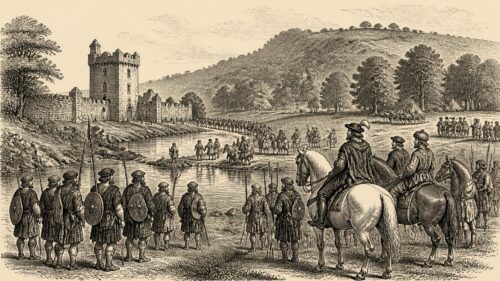
In 1570, Tudor efforts to extend authority in Ireland exposed the limits of provincial government. Sir Edward Fitton’s new Connacht presidency clashed with Conor O’Brien in Thomond, where negotiated submission followed resistance, and campaigned with Clanricarde against John Burke at Shrule. The battle involved English, Irish and Scottish troops, artillery and traditional forces; its outcome remained contested, though government troops held the field. Campaigns imposed demands through cess, supplies, hostages and destruction. In Munster, rebellion persisted despite expeditions and Desmond’s detention. Papal excommunication heightened international anxieties, yet allegiance remained shaped by kinship, territory, employment and rivalry as much as religion.
Read Article
Archived: 17 October 2026
Abstract
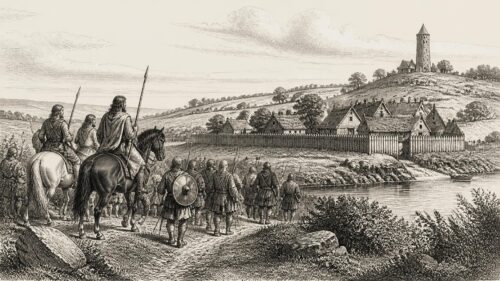
In 1569, Tudor government sought to extend Elizabeth I’s authority through parliament, military action, taxation reform and provincial administration. In Munster, James fitz Maurice Fitzgerald, Donal MacCarthy Mór and allies formed a Catholic confederacy, sought Spanish aid, and launched the first Desmond rebellion by attacking Kerrycurrihy. Religious aims overlapped with disputes over Desmond imprisonment, land, settlement and lordly power. Butler brothers raised south Leinster against government interference and Sir Peter Carew’s claims, but failed at Kilkenny. Sidney’s autumn campaign, supported by Ormond and Gilbert, broke the coalition’s momentum. Fitton’s Connacht presidency further expanded royal institutions amid widespread nationwide civilian disruption.
Read Article
Archived: 17 October 2026
Abstract
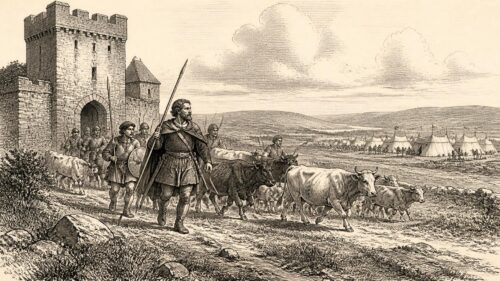
In 1568, Ireland experienced sharpening local conflicts as royal intervention, disputed land rights and absent lords weakened established authority. With the earl of Desmond imprisoned in England, James fitz Maurice unsuccessfully besieged Thomas Fitzmaurice at Lixnaw, where plunder, drought and shortages afflicted civilians and troops. Munster tensions grew through MacCarthy alliances and proposed English settlements. In Leinster, Sir Peter Carew’s successful Idrone claim and Edmund Butler’s estrangement foreshadowed revolt. Sir Henry Sidney pursued limited Ulster agreements, garrisons and transport schemes. Protestant church appointments likewise revealed the gap between crown ambition and practical control, anticipating conflicts in 1569 and subsequent upheavals.
Read Article
Archived: 17 October 2026
Abstract
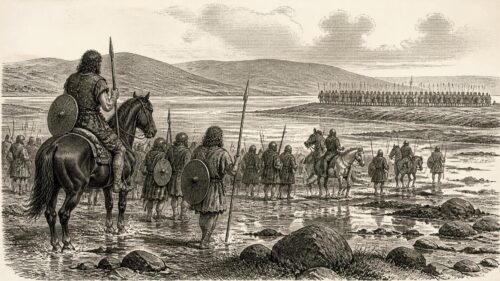
In 1567 Shane O’Neill’s Ulster overlordship collapsed after defeat by the O’Donnells at Farsetmore, where tidal conditions magnified his army’s losses. Seeking support from the MacDonnells, whom he had previously oppressed, Shane was killed during negotiations at Cushendun. His fall liberated rival lordships but did not secure English control: Turlough Luineach O’Neill faced disputed succession, while O’Donnell and MacDonnell power revived. Sir Henry Sidney’s government pursued influence through alliances, garrisons, progresses and infrastructure, yet exposed its limited reach. In Munster, Desmond’s arrest altered regional politics. Administrative and church appointments in Dublin reflected continuing Tudor reform amid uneven authority and instability.
Read Article
Archived: 17 October 2026
Abstract
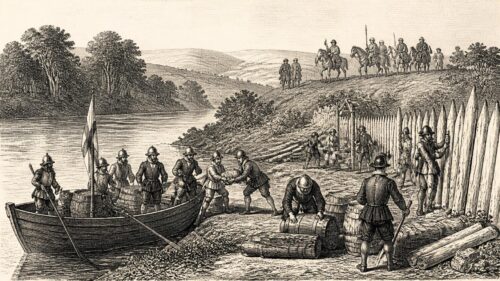
In 1566, conflict between Shane O’Neill and Elizabethan government made Ulster Ireland’s principal political and military crisis. O’Neill sought French aid, managed fraught relations with Scottish MacDonnells, was proclaimed traitor, and burned Armagh’s cathedral, a religious site also militarily contested. Lord Deputy Sir Henry Sidney campaigned through Ulster while Colonel Edward Randolph established a garrison at Derry to pressure O’Neill; Shane’s forces killed Randolph in November, exposing royal weakness. Deaths and successions among O’Donnells and Maguires reshaped regional alliances and prompted renewed raiding. The year demonstrated that crown expeditions, Gaelic lordship, local warfare, logistics, learning and landscape remained inseparably linked.
Read Article
Archived: 17 October 2026
Abstract
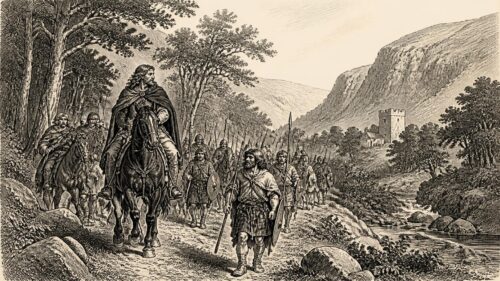
In 1565, Ireland remained divided among powerful Gaelic and Old English lordships despite Tudor claims. At Affane, Ormond defeated and captured Desmond during a dispute over Déise, prompting concern at magnates waging private war. In Ulster, Shane O’Neill crushed the MacDonnells at Glentaisie, extending influence through garrisons and settlement, and alarming Dublin and London. The Crown advanced surrender and regrant by creating Donal MacCarthy Mór earl of Clancare, while Henry Sidney’s confirmation signalled intervention. Catholic organisation persisted through Jesuit schooling and Miler Magrath’s appointment. The death of scholar Tadhg Cam Ó Cléirigh also demonstrated continuing learned patronage amid political conflict.
Read Article
Archived: 17 October 2026
Abstract
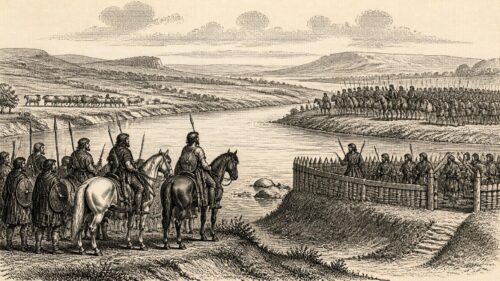
In 1564, Ireland experienced interconnected struggles over lordship, succession, tribute and fortified places rather than a unified war. Shane O’Neill, strengthened by Crown recognition but constrained by unresolved negotiations and Dublin’s weakness, raided Tír Chonaill, exploited O’Donnell divisions at Donegal, supported Hugh Boy O’Rourke in Breifne, and fought the MacDonnells near the Bann. His setback and ensuing truce demonstrated limits to his power; decisive MacDonnell defeats came later. In Thomond, rival O’Briens, mercenaries and raids devastated communities, cattle and church resources. Religious institutions remained politically important, while William Bathe’s birth reflected Dublin society. The year intensified conflicts without resolving them.
Read Article
Archived: 18 October 2026
Abstract
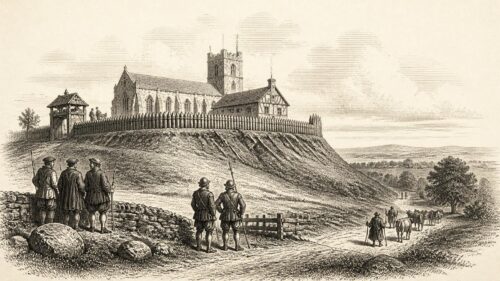
In 1561, Shane O’Neill’s contest with the Dublin administration over authority in Ulster became Ireland’s principal political crisis. After capturing An Calbhach O’Donnell in May, O’Neill disrupted a planned alliance of Ulster and Scottish opponents. Sussex proclaimed him traitor, marched north, and fortified St Patrick’s Cathedral, Armagh, as a royal garrison. O’Neill’s forces besieged the post and inflicted a reverse on crown troops during their July withdrawal. A September expedition to Lough Foyle also failed to establish control. Negotiations followed, leading to O’Neill’s safeguarded journey to England in December. Coinage proclamations and correspondence revealed wider governmental, economic and diplomatic pressures.
Read Article

Archived: 18 October 2026
Abstract
In 1560, Elizabeth I’s Irish government strengthened its Dublin machinery by appointing John Challoner secretary and signet keeper, while parliament enacted the Acts of Supremacy and Uniformity. These measures established ecclesiastical authority and prescribed reformed worship, although Latin remained permissible where English was unavailable. Their enforcement was limited by weak institutions, linguistic divisions and restricted Crown power beyond the Pale. Shane O’Neill’s Ulster progress frustrated plans to install Brian O’Neill, while Desmond and Ormond avoided battle in Munster. Raids, maritime disaster, grain controls, military hosting and base coinage revealed an island shaped by regional lordships, insecurity, negotiation and material constraints.
Read Article
Archived: 18 October 2026
Abstract
In 1558, Ireland’s politics were shaped by dynastic struggles, crown intervention and Mary I’s death. Thomas Radcliffe, earl of Sussex, installed Conor O’Brien as earl of Thomond, using military force against his uncle Sir Donal, while leaving local Gaelic authority intact. Gerald FitzGerald inherited Desmond after his father’s death, amid unresolved tensions with Ormond and the government. In Ulster, Shane O’Neill had his crown-backed half-brother Matthew killed, intensifying the Tyrone succession dispute. Sussex’s unsuccessful Kintyre expedition exposed Scottish-Irish connections. Elizabeth I’s accession opened a new era, but Ireland retained Mary’s religious settlement largely unchanged in practice until legislation in 1559.
Read Article

Archived: 18 October 2026
Abstract
The evidence for 1556 is uneven, but it is unusually revealing. A change at Dublin Castle, a northern expedition, the seizure and release of midland hostages, a newly finished castle, a Thomond encounter and the killing of a leading poet all appear in the record. Taken together, they show an Ireland in which the Tudor state sought firmer control while Gaelic lordships, Old English magnates, churchmen and learned families still exercised authority on their own ground.A New Deputy at DublinOn 27 April Thomas Radcliffe, then Lord Fitzwalter and soon to become third earl of Sussex, was appointed lord deputy of
Read Article

Archived: 18 October 2026
Abstract
In 1555 An Calbhach Ó Domhnaill, aided by Archibald Campbell’s Scottish troops and artillery, overthrew and imprisoned his father Manus, lord of Tír Chonaill, initiating prolonged conflict and devastation in Donegal. The coup demonstrated Gaelic rulers’ reliance on maritime alliances, mercenaries, castles and gunpowder. Elsewhere, Hugh Ó Néill of Upper Clandeboye was killed by Scottish gunfire, amid enduring MacDonnell expansion in Ulster. Dublin’s authority remained limited, while annalistic dating of official campaigns requires caution. Marian restoration included papal recognition of Philip and Mary and St Patrick’s cathedral’s revival. Notices from Thomond and Youghal reveal negotiated regional politics and overseas links.
Read Article

Archived: 18 October 2026
Abstract
In 1554 Queen Mary restored Gerald FitzGerald, surviving Kildare heir, as earl of Kildare and baron of Offaly, symbolising Geraldine rehabilitation while retaining tighter Tudor supervision. His return accompanied military cooperation with Lord Delvin against Clandeboye amid O’Neill dynastic conflict. Elsewhere, O’Brien campaigns, Burke alliances and a MacSweeney battle demonstrated persistent local warfare, raiding and divided kindreds. Marian religious restoration deprived Edward Staples of Meath, advanced William Walsh, and promoted Catholic discipline under George Dowdall. Dublin’s legal administration continued through new judicial appointments. Deaths of Gaelic lords and poet Tadhg Ó Cobhthaigh underscored Gaelic power, cultural memory and learned traditions.
Read Article

Archived: 18 October 2026
Abstract
In 1553, Donough O’Brien’s death provoked a violent Thomond succession dispute, as his brother Sir Donal displaced his teenage son Conor despite Tudor inheritance arrangements. Donal demonstrated regional power through campaigning and negotiations at Leix, amid wider conflicts in the midlands and Connacht. Mary Tudor’s accession redirected Irish government towards Catholic restoration, although change remained gradual and uneven. George Dowdall regained recognition as archbishop of Armagh, while Protestant bishop John Bale fled Ossory. Sir Anthony St Leger returned as lord deputy, charged with reconciling religious restoration, fiscal restraint, military reduction, plantation and expanded crown authority. Chronological uncertainties complicate annalistic claims.
Read Article

