Archived: 17 October 2026
Abstract
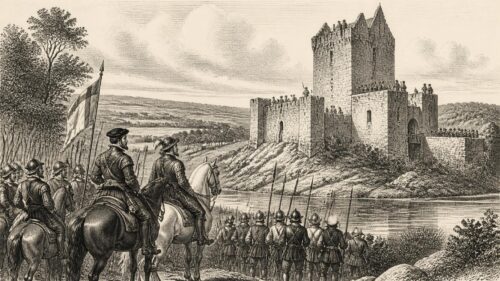
In 1574 Tudor authority faced pressures across Ireland. In Munster, Desmond’s restored influence, Geraldine Combination and his son’s seizure of Derrinlaur Castle challenged crown control; Fitzwilliam and Ormond captured the castle in August, and Desmond submitted at Cork on 2 September, though settlement remained fragile. In Ulster, Essex’s failing Clandeboye colony suffered plague, shortages and mutiny before his destructive campaigns and arrest of Sir Brian mac Phelim O’Neill, whose family and followers were killed or executed. Unpaid troops burdened Pale communities, while Catholic links endured through Edmund Tanner’s Roman appointment. The year revealed Tudor power’s coercive reach and governing limits.
Read Article

Archived: 18 October 2026
Abstract
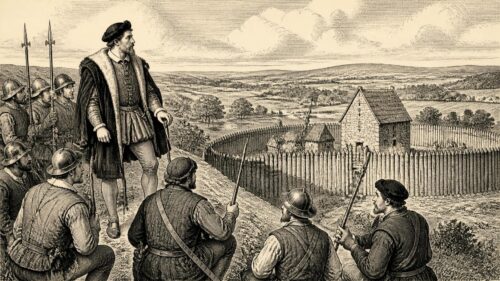
In 1554 Queen Mary restored Gerald FitzGerald, surviving Kildare heir, as earl of Kildare and baron of Offaly, symbolising Geraldine rehabilitation while retaining tighter Tudor supervision. His return accompanied military cooperation with Lord Delvin against Clandeboye amid O’Neill dynastic conflict. Elsewhere, O’Brien campaigns, Burke alliances and a MacSweeney battle demonstrated persistent local warfare, raiding and divided kindreds. Marian religious restoration deprived Edward Staples of Meath, advanced William Walsh, and promoted Catholic discipline under George Dowdall. Dublin’s legal administration continued through new judicial appointments. Deaths of Gaelic lords and poet Tadhg Ó Cobhthaigh underscored Gaelic power, cultural memory and learned traditions.
Read Article
Archived: 18 October 2026
Abstract
In 1533, Ireland was governed through competing crown, Gaelic and Anglo-Irish powers rather than uniform Dublin rule. Lord Deputy Gerald FitzGerald aided Ferganainm Ó Cearbhaill, capturing Shinrone Castle in Éile, yet a rival claimant soon emerged, exposing Geraldine dependence on alliances and rivalry with the Butlers. Annals record night seizures of Sligo and Ardnaree, punitive raids, executions and violent successions across Moylurg, Firceall and Clannaboy. These conflicts disrupted communities but lordship also rested on hospitality, learning, agriculture and church organisation. Kildare’s Dublin parliament regulated corn disputes within limited crown territory. Ireland remained Catholic, although Henry VIII’s changing position foreshadowed rupture.
Read Article
Archived: 18 October 2026
Abstract
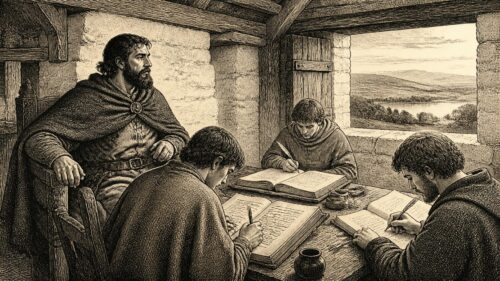
In 1532 Gerald FitzGerald, ninth earl of Kildare, regained the deputyship, yet royal authority remained dependent on alliances with Anglo-Irish and Gaelic lords. Campaigning in Ulster, disputed in date between 1531 and 1532, devastated Tír Eógain through burning, plunder and cattle seizure. In Ely, Kildare supported his son-in-law Ferganainm Ó Carroll during the Birr succession struggle, where he was seriously wounded by gunfire. Feuds continued across Ossory, Connacht and the north-west, occasionally violating sanctuary. Amid violence, Manus Ó Domhnaill compiled Betha Colaim Chille at Lifford, affirming Catholic learning, Irish vernacular culture, dynastic prestige and Colum Cille’s regional importance, lasting significance.
Read Article




