Archived: 22 September 2026
Abstract
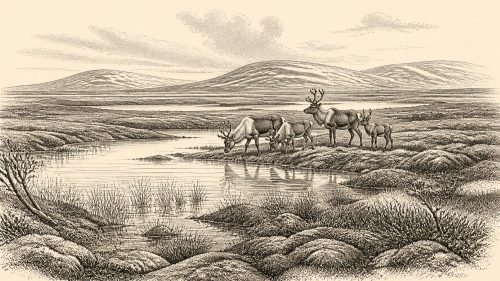
The modern label 30,843 BCE denotes no identifiable Irish event but approximates a Late Pleistocene MIS 3 interval. Derryvree in Fermanagh preserves a freshwater wetland between glacial tills, evidence of cold, open, treeless conditions during an ice-free phase. Its radiocarbon date calibrates broadly to 36,900–31,700 cal BP, precluding annual precision. Castlepook Cave fauna, accumulated over long periods, includes mammoth, reindeer, giant deer, bear and hyaena, showing ecological links with Europe. A marked reindeer femur may indicate human butchery around 31,000 BCE, but cannot establish settlement. Lower seas altered routes, while shifting ice, water and vegetation shaped a fragmentary environmental past.
Read Article
Archived: 22 September 2026
Abstract
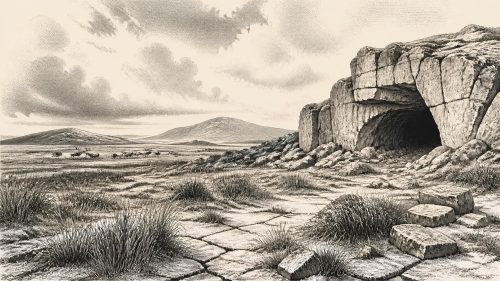
Thirty thousand years before Irish societies, Ireland formed part of a cold Pleistocene landscape during Marine Isotope Stage 3, before the Last Glacial Maximum. Open tundra or steppe supported reindeer, mammoth, giant deer, bears, wolves, hyaenas and other fauna, documented at Castlepook Cave near Doneraile. Cave deposits and radiocarbon dates demonstrate animal presence, although disturbed collections limit precision. A reindeer bone, possibly bearing a stone-tool cut mark, suggests a human incursion around 31,000 BCE, but cannot prove settlement or continuity. No tools, hearths or structures survive. Thus evidence records environmental change and transient hunters, not a dated event or society.
Read Article
Archived: 22 September 2026
Abstract
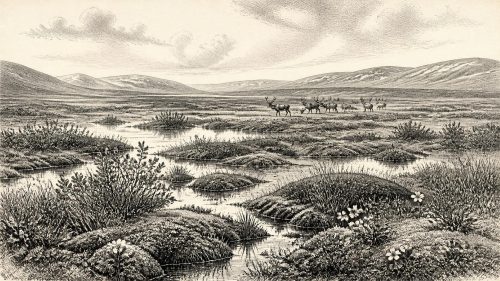
Around 30,845 BCE, Ireland’s evidence is environmental rather than historical. At Derryvree, County Fermanagh, freshwater sediments between glacial tills, radiocarbon dated broadly to 29,750–34,950 BCE, preserve an ice-free periglacial wetland. Pollen and plant remains indicate open tundra with mosses, sedges, dwarf willow, mountain avens and aquatic vegetation. Castlepook Cave, County Cork, yielded bones of diverse Ice-Age mammals, though their dates and associations require reassessment. A marked reindeer femur may indicate brief human carcass processing, but proves neither settlement nor population continuity. Growing British–Irish ice eventually reshaped and buried these landscapes, leaving evidence of climatic instability, wildlife and possible human activity.
Read Article
Archived: 22 September 2026
Abstract
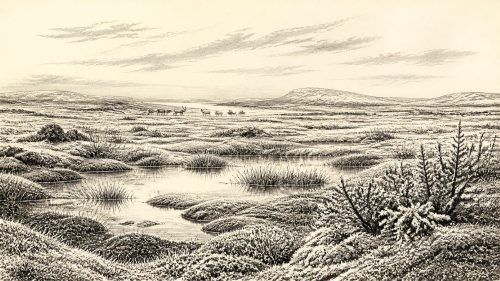
Around 30,846 BCE, Ireland lay within the climatically unstable Late Pleistocene, rather than a precisely recoverable historical year. At Derryvree, County Fermanagh, freshwater organic silts between glacial tills document an interval of wetland, tundra-like vegetation, mosses, sedges and aquatic plants between ice advances. BIRM-166 radiocarbon dating broadly encompasses this date but cannot define annual conditions or island-wide ice cover. Castlepook Cave, County Cork, preserves varied cold-stage fauna, including reindeer, mammoth and predators, accumulated across different periods. Possible cut marks on a reindeer bone suggest transient human activity, not settlement. Later glaciation and coastal change destroyed or obscured much surviving evidence.
Read Article
Archived: 22 September 2026
Abstract
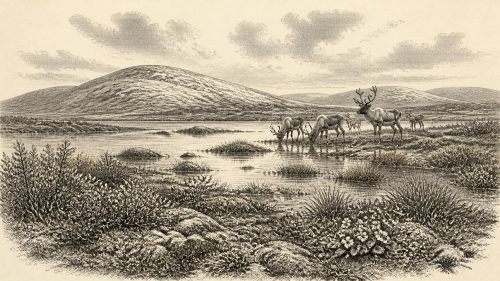
30,847 BCE is a modern chronological label for a poorly dated Late Pleistocene interval, not a recorded Irish year. Derryvree, County Fermanagh, preserves freshwater organic sediments between glacial tills, revealing a cold, treeless wetland with mosses, sedges, rosy saxifrage and other Arctic-alpine plants. Cave deposits, notably Castlepook in County Cork, document mammals including reindeer, mammoth, giant deer, bear, fox and hyaena across MIS 3. A possibly stone-tool-marked reindeer bone may indicate an early human visit, but does not prove settlement. No villages, farming, trade, polities, religion or written record are known. Environmental instability and changing ice cover define this period.
Read Article
Archived: 22 September 2026
Abstract
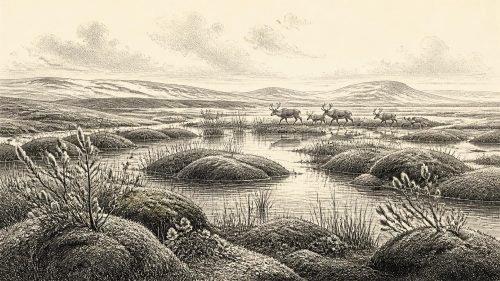
Around 30,848 BCE, Ireland lay within the cold, unstable Late Pleistocene, but evidence cannot identify events in a single year. Derryvree sediments in Fermanagh record an ice-free interval between glacial deposits, with treeless freshwater wetlands supporting cold-adapted plants and insects. Castlepook Cave and other sites preserve remains of mammoth, reindeer, giant deer, horse, predators and smaller fauna, demonstrating open habitats and animal movement. A marked reindeer bone from Castlepook may indicate Upper Palaeolithic butchery, although it proves neither settlement nor permanent population. Subsequent ice expansion reshaped landscapes, leaving a fragmentary record of changing environments, fauna and possible early human visits.
Read Article
Archived: 22 September 2026
Abstract
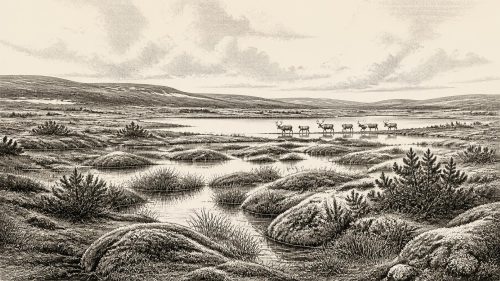
Around 30,849 BCE, Ireland lay within the climatically unstable Late Pleistocene MIS 3, not a recoverable historical year. At Derryvree in County Fermanagh, freshwater sediments sealed between glacial tills record a locally ice-free interval around 33,500 years ago. Pollen, plants and insects indicate cold, treeless wetland with mosses, sedges, shallow pools and sparse vegetation. Castlepook Cave in County Cork yielded diverse Ice Age mammals, including mammoth, giant deer, reindeer and hyaena, accumulated over millennia. A possibly tool-marked reindeer bone suggests early human activity, but no secure evidence establishes settlement or population. These fragile records depict changing habitats before wider glaciation.
Read Article
Archived: 22 September 2026
Abstract
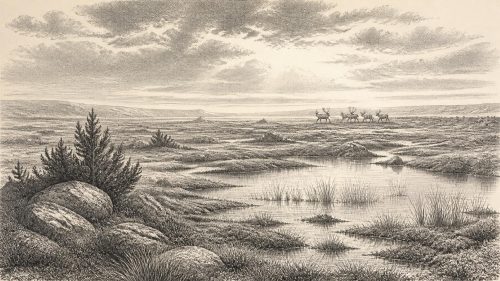
About 30,850 BCE, Ireland lay within the climatically unstable Late Pleistocene MIS 3, not a precisely datable historical year. Ice, sea levels and routes changed repeatedly, leaving fragmentary evidence. Derryvree, County Fermanagh, preserves freshwater silts between tills, indicating open, treeless, wet tundra with grasses, sedges, juniper, mosses and insects. Castlepook Cave, County Cork, yielded reindeer, mammoth, giant deer, predators and lemmings, suggesting cold steppe or tundra. A marked reindeer femur may indicate human carcass processing, but cannot prove hunting, settlement or continuous occupation. No contemporary Irish evidence demonstrates communities, culture, economy or institutions; environmental and faunal remains provide the record.
Read Article
Archived: 22 September 2026
Abstract
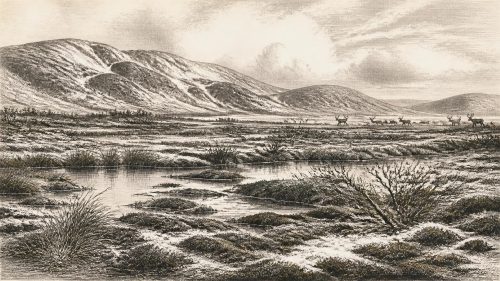
30,851 BCE is an imprecise modern label within MIS 3, not a recoverable Irish year. Derryvree, County Fermanagh, preserves freshwater sediments between glacial tills, indicating a locally ice-free, cold tundra wetland interval amid fluctuating ice conditions. Castlepook Cave, County Cork, contains chronologically mixed animal remains, including mammoth, reindeer and spotted hyaena, showing intermittent cold-stage fauna rather than a single community. A cut-marked reindeer femur may indicate Upper Palaeolithic butchery, but lacks secure archaeological context and cannot prove settlement. No evidence establishes polities, permanent population or routes. Fragmentary records instead portray dynamic Late Pleistocene Ireland, with uncertain, possibly transient human presence.
Read Article

Archived: 22 September 2026
Abstract
At 30,852 BCE, a modern label rather than a recoverable event, Ireland lay in the climatically unstable later Marine Isotope Stage 3 as the British-Irish Ice Sheet expanded. Open, treeless, locally wet habitats supported cold-adapted fauna, including reindeer, mammoth, giant deer, predators and smaller mammals. Derryvree sediments illuminate periglacial environments, while Castlepook Cave near Doneraile preserves important but disturbed animal remains. A roughly 33,000-year-old reindeer femur bearing a possible stone-tool cut mark may indicate brief Upper Palaeolithic butchery. It cannot establish settlement, occupation or culture. Evidence instead depicts a changing island, with uncertain access routes, preservation and no year-specific history.
Read Article


