
Elephant Hall Fauna
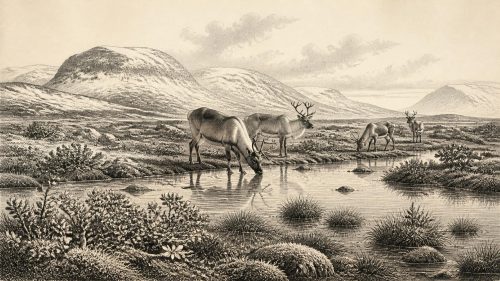
The label 30,431 BCE denotes a Late Pleistocene interval rather than an Irish year. Derryvree, County Fermanagh, records a locally ice-free freshwater phase between glacial advances, supporting wet, treeless tundra vegetation, insects and aquatic life. Crag Cave indicates repeated climatic shifts. At Castlepook Cave, County Cork, remains of mammoth, reindeer, giant deer, hyaena and other cold-adapted animals demonstrate intermittent large-mammal ecosystems in open landscapes. A possibly cut-marked reindeer bone raises, but does not prove, human presence. No secure settlements or social evidence exist. Later ice altered or destroyed records, leaving an environmental history of dynamic climate, fauna and advancing glaciers.
View Record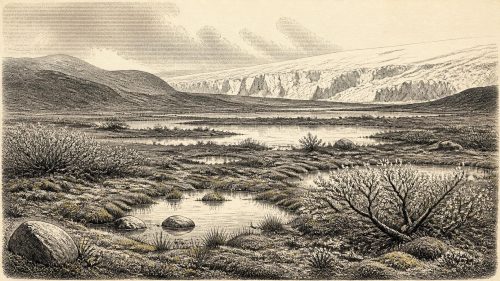
The Derryvree Moss Horizon
Around 30,432 BCE, Ireland lay in a fluctuating Late Pleistocene cold phase, not a historically dated year. At Derryvree, County Fermanagh, freshwater silts containing organic remains lay between glacial tills, showing an ice-free wetland interval before renewed glaciation. Radiocarbon evidence provides a broad, uncertain age range. Fossils indicate treeless tundra vegetation, including sedges, mosses, dwarf willow, bogbean and water-milfoil, around shallow fresh water. Ice, frost and changing sea levels shaped an unstable landscape. Cave faunas suggest large mammals reached Ireland, while a possible cut-marked reindeer bone may indicate brief human activity. No evidence demonstrates permanent settlement, society, farming or trade.
View Record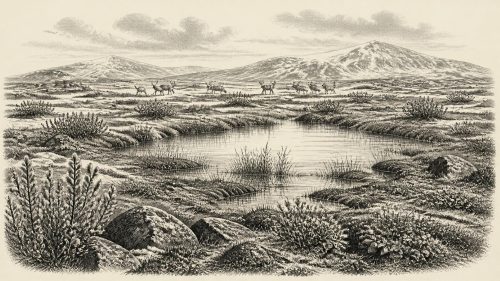
The Fermanagh Interlude
Thirty thousand four hundred and thirty-three BCE is only a modern label within a broad calibrated range for later Marine Isotope Stage 3. At Derryvree, County Fermanagh, sediments between tills preserve an ice-free freshwater basin with tundra vegetation, insects and seasonal periglacial conditions, later buried by returning glacier ice. Comparable deposits indicate complex, localised ice-free episodes, not an island-wide climate. Southern cave faunas demonstrate diverse cold-stage mammals, though their dates and associations are imperfect. No secure evidence establishes human occupation; a possibly cut-marked reindeer bone offers only tentative evidence of brief contact. This interval records fragile environments amid regional glaciation.
View Record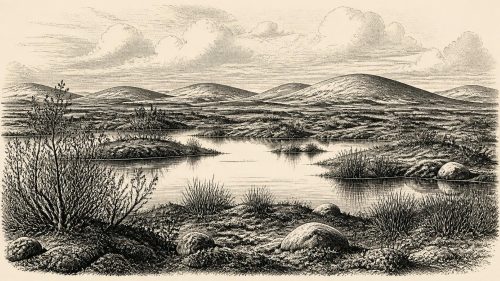
The Derryvree Drumlin
Around 30,434 BCE, Ireland’s history is reconstructed from environmental evidence rather than events. At Derryvree, County Fermanagh, freshwater silts between glacial tills record an ice-free interval before later ice-sheet advance. Plant remains, pollen and insects indicate treeless tundra wetlands with sedges, mosses, aquatic plants and open ground. Castlepook Cave, County Cork, preserves a broader cold-stage fauna including mammoth, reindeer, giant deer, bears, hyaenas and lemmings, although its disturbed deposits cannot date a single moment. A possibly butchered reindeer bone may suggest human visitation, but no secure settlement evidence exists. These sites demonstrate fluctuating habitats, not permanently frozen or empty Ireland.
View Record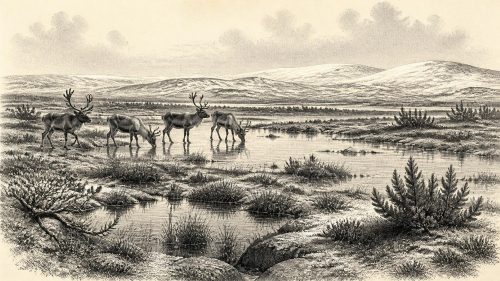
Derryvree Cold Phase
About 30,435 BCE, Ireland lay within the unstable cold climate of Marine Isotope Stage 3, probably during Greenland Interstadial 5.2, though precise calendar correlation is impossible. Derryvree, County Fermanagh, preserves organic wetland sediments between glacial tills, showing grasses, sedges, juniper, herbs, mosses and aquatic plants in an open, harsh environment before later ice expansion. Castlepook Cave, County Cork, contains pre-Last Glacial Maximum remains of mammoth, reindeer, giant deer, carnivores and smaller animals, indicating productive cold landscapes. No secure evidence identifies human occupation then in Ireland. These fragmentary records reveal changing ice, wetlands and fauna, not events, settlements or political communities.
View Record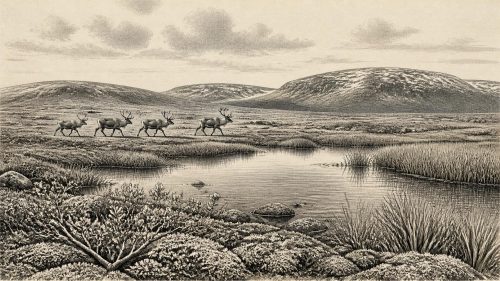
Derryvree’s Intertill World
Around 30,436 BCE, Ireland lay within the fluctuating Late Pleistocene climate of Marine Isotope Stage 3, not a date capable of supporting a historical narrative. At Derryvree, County Fermanagh, freshwater silts between glacial tills, broadly dated to this interval, preserve sedges, mosses, dwarf shrubs and aquatic plants, indicating cold, treeless wetlands and open tundra. Castlepook Cave, County Cork, contains time-averaged remains of mammoth, giant deer, reindeer, predators and other cold-adapted fauna. Crag Cave records alternating warmer and colder phases. Advancing ice later reshaped and obscured landscapes. No secure evidence directly establishes human settlement or activity in Ireland at this date.
View Record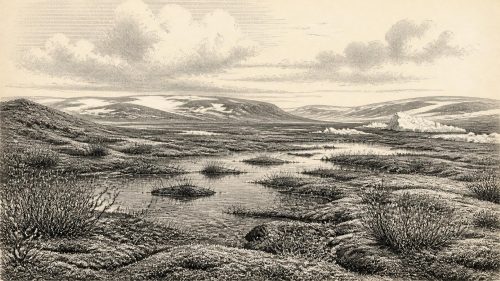
Derryvree’s Vanishing Pools
30,437 BCE is a modern label rather than a recoverable Irish year, and evidence must be read through broad calibrated ranges. During climatically unstable Marine Isotope Stage 3, Ireland contained shifting mosaics of cold, open, wet ground and local ice before the later glacial maximum. At Derryvree, Fermanagh, freshwater organic deposits between tills preserve mosses, sedges, insects and pollen, indicating a treeless, tundra-like wetland temporarily surviving between glacial advances. Castlepook Cave records diverse cold-stage fauna across millennia. A cut-marked reindeer bone may suggest early human activity, but remains unconfirmed. Environmental change, ice-driven landscape remodelling and fragmentary preservation dominate this period.
View Record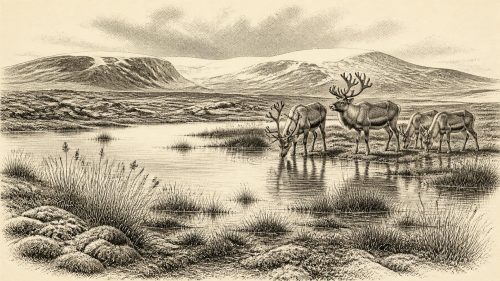
Derryvree’s Freshwater Witness
Around 30,438 BCE, Ireland lay in a cold, unstable later-Pleistocene landscape as the British–Irish Ice Sheet began sustained expansion. Derryvree, County Fermanagh, preserves freshwater sediments between glacial tills, proving a local ice-free interval but not dating conditions precisely to this nominal year. Its wetland plants and cold-adapted insects indicate open, treeless terrain. Cave finds from Castlepook, Cork, show diverse fauna, including reindeer, mammoth and hyaena, although assemblages are mixed. A possibly cut-marked reindeer bone suggests brief human visits, not permanent settlement. Later glaciation erased much evidence, leaving fragmentary records of changing environments, mobile animals and possible people before peak glaciation.
View Record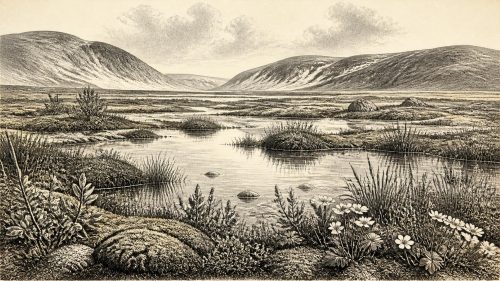
Menyanthes Trifoliata
Around 30,439 BCE, Ireland lay within the unstable Late Pleistocene, rather than a recoverable year. At Derryvree, County Fermanagh, freshwater sediments between glacial tills preserve evidence of an ice-free interval: bogbean, sedges, mosses, aquatic plants and Arctic-alpine vegetation occupied cold, open wetlands. Later ice advances buried and eroded much evidence. Castlepook Cave, County Cork, records fauna, including reindeer, mammoth, giant deer, predators and small mammals, accumulated over long periods. A possibly cut-marked reindeer bone suggests brief Upper Palaeolithic human activity, but cannot prove settlement or colonisation. The evidence depicts shifting climates, seasonal habitats and intermittent access, not continuous human occupation.
View Record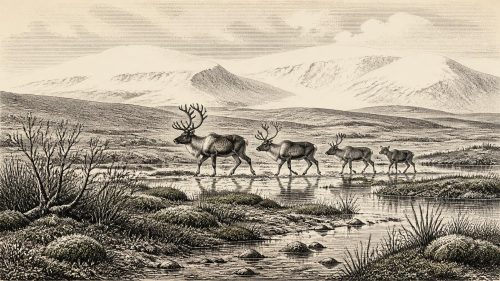
Castlepook’s Long Faunal Archive
30,440 BCE is a modern label for an uncertain Late Pleistocene interval, not a datable Irish event. Derryvree sediments in County Fermanagh record cold freshwater vegetation between glacial deposits, demonstrating local ice-free or ice-marginal conditions, rather than island-wide deglaciation. Castlepook Cave, County Cork, preserves a long, mixed faunal record including mammoth, reindeer, giant deer, bear and hyena, indicating intermittent connections with Europe and open, varied terrain. No secure human settlement belongs to this period; a possibly modified reindeer bone remains inconclusive. Subsequent maximum glaciation erased much evidence, leaving fragmented archives of water, plants, animals, ice and changing routes to Europe.
View Record