19th Century Ireland CE
Archived: 9 October 2026
Abstract
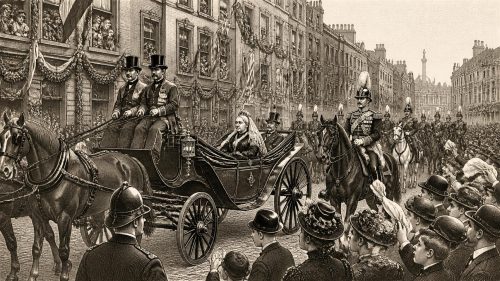
In 1900, Ireland remained under the Union, but competing imperial, nationalist, economic and cultural forces markedly intensified. Queen Victoria’s final Dublin visit and creation of the Irish Guards highlighted Irish participation in the Boer War, while nationalists opposed British rule and sympathised with the Boers. John Redmond reunited the Irish Parliamentary Party, which won most Irish seats, though restricted voting, uncontested constituencies and unionist government limited its effect. Horace Plunkett’s new agricultural department promoted rural improvement and co-operation. Nationalist women, Gaelic League activists and theatre practitioners expanded cultural organisation. Oscar Wilde died in Paris, a Dublin-born writer of global stature.
Read Article
Archived: 9 October 2026
Abstract
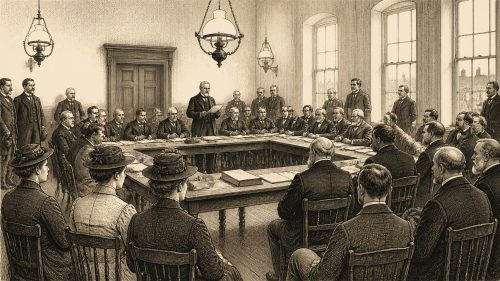
In 1899, Ireland saw institutional, cultural and political developments without resolving its constitutional future. Elections under the Local Government Act replaced grand-jury administration with elected county, rural and urban councils, widening participation though property restrictions remained. The Agriculture and Technical Instruction Act created a department to promote farming, fisheries, industry and education, associated with Horace Plunkett’s cooperative ideas. Dublin’s Irish Literary Theatre inaugurated productions amid controversy, while the Gaelic League’s Oireachtas demonstrated language-revival organisation. The Second Boer War exposed divided loyalties: Irish people served Britain, whereas nationalists supported the Boers. Together, these changes expanded Irish public life, debate and organisation.
Read Article
Archived: 9 October 2026
Abstract
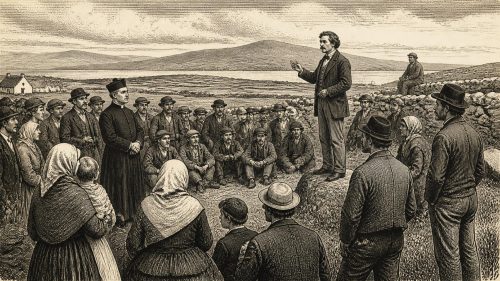
In 1898, Ireland saw agrarian, political and cultural change. William O’Brien founded the United Irish League at Westport, seeking land redistribution and linking western congestion to self-government. The Local Government (Ireland) Act replaced landlord-dominated grand juries with elected councils, although implementation followed in 1899 and franchise limits remained. Centenary commemorations of 1798 elevated Wolfe Tone while exposing competing nationalist, unionist and regional interpretations. Cultural revival advanced through Fáinne an Lae, the Gaelic League’s Oireachtas, Pearse’s Aran visit and Irish literature. Mary Immaculate College, Belfast City Hall and Killybegs carpet manufacture reflected educational, municipal and industrial development. They reshaped public life.
Read Article
Archived: 9 October 2026
Abstract
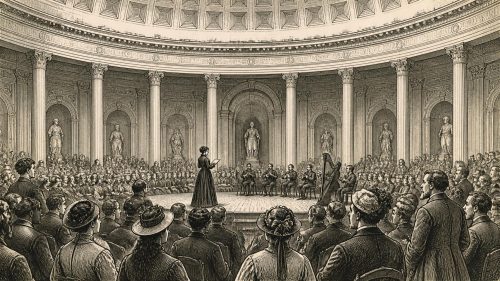
In 1897, Ireland remained under the Union, with Home Rule stalled and nationalist parliamentary strength weakened after Parnell. Debate increasingly focused on prospective local-government reform, while Victoria’s Diamond Jubilee exposed competing loyalist, nationalist, republican and socialist allegiances. Cultural nationalism gained durable institutions: Gaelic League held first Oireachtas at Dublin’s Rotunda, and first Feis Ceoil promoted musical cultivation. Yeats, Lady Gregory and Edward Martyn planned an Irish Literary Theatre, while Bram Stoker published Dracula. Rural life depended on land and British markets; Horace Plunkett advanced agricultural co-operation. Anti-jubilee protests, cultural initiatives and practical reform reflected an increasingly organised, diverse national life.
Read Article
Archived: 9 October 2026
Abstract
In 1896, Ireland saw no single decisive crisis, but several developments foreshadowed later change. Alice Milligan and Anna Johnston launched Belfast’s Shan Van Vocht, promoting cultural nationalism, women’s participation and 1798 commemoration. Home Rule remained divided and politically stalled under John Dillon and John Redmond. The Land Law Act advanced tenant purchase without ending rural inequality. James Connolly helped found the Irish Socialist Republican Party, linking independence with workers’ interests. Maynooth gained pontifical university status. Dublin opened its first electric tram service, while Belfast’s industry prospered unevenly. Discovery of the Broighter Hoard connected contemporary cultural revival with Ireland’s ancient past.
Read Article
Archived: 9 October 2026
Abstract
In 1895, the fall of Lord Rosebery’s Liberal government ended immediate hopes of Home Rule, while the general election confirmed nationalist strength but exposed continuing division after the Parnell split. Gerald Balfour became chief secretary amid unresolved land grievances, limited purchase reform and persistent rural inequality. Horace Plunkett launched negotiations for the cross-party Recess Committee, promoting agricultural cooperation, technical education, credit and industry; its later achievements were not yet assured. The Irish Homestead and early Gaelic League records reflected growing economic and cultural organisation. John Daly’s election highlighted political imprisonment, while Oscar Wilde’s conviction and imprisonment marked devastating cultural loss.
Read Article
Archived: 9 October 2026
Abstract
Amid stalled Home Rule and unresolved land grievances, 1894 saw Ireland develop new forms of collective organisation. Gladstone’s resignation, the Lords’ rejection of Home Rule and the Evicted Tenants Bill, and the Irish Parliamentary Party split exposed constitutional nationalism’s weakness, while a financial-relations commission acknowledged fiscal concerns. Administrative shortcomings persisted, including local democracy and poor-rate oversight. In April Horace Plunkett’s Irish Agricultural Organisation Society began coordinating rural co-operation, promoting creameries, collective marketing and expertise. Dublin’s Irish Trades Union Congress and May Labour Day demonstration gave organised workers a forum. Compulsory school attendance expanded unevenly, while Æ’s poetry reflected cultural revival.
Read Article

Archived: 9 October 2026
Abstract
In 1893, Gladstone’s second Home Rule Bill proposed an Irish legislature within the Union, retaining Westminster supremacy, imperial responsibilities and Irish representation. Despite Commons approval, it was overwhelmingly rejected by the Lords, exposing constitutional limits and intensifying unionist fears. On 31 July, Douglas Hyde, Eoin MacNeill and others founded the non-sectarian Gaelic League in Dublin to revive spoken Irish through classes, publications and branches, amid language decline. The year also reflected religious and social organisation: Archbishop Michael Logue became cardinal, St Mel’s Cathedral was consecrated, Margaret Lyttle began a girls’ club, and the National Labour League highlighted rural workers’ grievances.
Read Article
Archived: 9 October 2026
Abstract
In 1892, Ireland’s general election confirmed anti-Parnellite dominance, with Justin McCarthy’s federation winning seventy-two seats against nine for John Redmond’s faction, while nationalist division persisted. Liberal victory returned Gladstone to office, making Home Rule possible but not yet enacted. Belfast’s Ulster Unionist Convention demonstrated organised resistance, and Edward Carson entered Parliament. Rural labourers founded Knights of the Plough, demanding land, wages and housing. St Macartan’s Cathedral was dedicated in Monaghan. Douglas Hyde’s Dublin address, The Necessity for De-Anglicising Ireland, urged cultural renewal through language and tradition. Census reports documented social change; Belfast also hosted Ireland’s international football match against England.
Read Article
Archived: 10 October 2026
Abstract
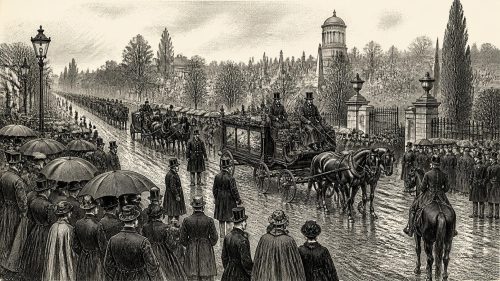
In 1891, the Parnell split dominated Irish politics as anti-Parnellites organised in the Irish National Federation, won North Sligo and Carlow, and gained episcopal support. Parnell defended Irish independence, married Katharine O’Shea, addressed his last major meeting at Creggs, and died in Brighton; his Glasnevin funeral drew vast crowds. The Purchase of Land Act strengthened tenant purchase and created the Congested Districts Board to address western poverty. The census recorded continuing population decline, driven by emigration and limited rural opportunity. Meanwhile, the Irish Daily Independent began publication, Wilde published Dorian Gray, Stephens returned, and Redmond’s Waterford victory preserved minority Parnellism.
Read Article
Loading more articles…




