Archived: 9 October 2026
Abstract
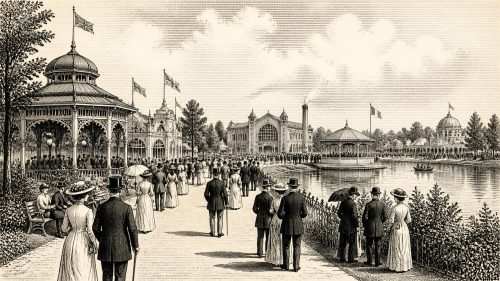
In 1907 Ireland displayed contrasting modernities. Dublin’s Irish International Exhibition at Herbert Park celebrated industry, art and entertainment, while Belfast labour unrest, led by James Larkin, brought transport and docks near paralysis, prompted military intervention and police mutiny. Synge’s Playboy riots exposed disputes over national culture. Birrell’s limited Irish Council Bill collapsed after nationalist rejection, encouraging separatist alternatives. The Evicted Tenants Act and cooperative movement addressed rural hardship, though poverty persisted. Dublin Castle’s Crown Jewels vanished. Marconi’s Clifden station opened wireless links to Canada, illustrating Ireland’s role in technology. Overall, the year revealed stalled constitutional reform, competing visions of progress.
Read Article
Archived: 9 October 2026
Abstract
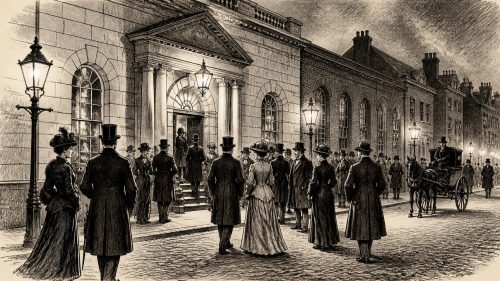
In 1904, Ireland remained under Westminster rule, yet political, economic and cultural initiatives widened debate over its future. Dunraven’s Irish Reform Association advocated limited administrative devolution, while the Irish Parliamentary Party pursued Home Rule and Arthur Griffith promoted Hungarian-inspired national self-reliance. The 1903 Land Act began transferring estates to tenants, alongside co-operative schemes and continuing hardship in congested districts. Gaelic League activities, the first official public camogie match, and the Oireachtas advanced cultural revival. On 27 December the Abbey Theatre opened in Dublin, establishing a permanent national stage. Industrial Belfast contrasted sharply with the mainly agricultural south and west regions.
Read Article
Archived: 9 October 2026
Abstract
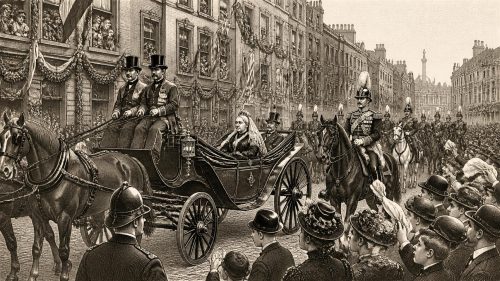
In 1900, Ireland remained under the Union, but competing imperial, nationalist, economic and cultural forces markedly intensified. Queen Victoria’s final Dublin visit and creation of the Irish Guards highlighted Irish participation in the Boer War, while nationalists opposed British rule and sympathised with the Boers. John Redmond reunited the Irish Parliamentary Party, which won most Irish seats, though restricted voting, uncontested constituencies and unionist government limited its effect. Horace Plunkett’s new agricultural department promoted rural improvement and co-operation. Nationalist women, Gaelic League activists and theatre practitioners expanded cultural organisation. Oscar Wilde died in Paris, a Dublin-born writer of global stature.
Read Article
Archived: 9 October 2026
Abstract
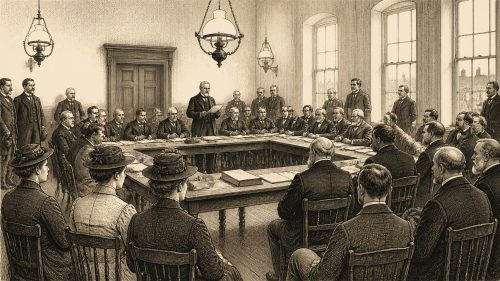
In 1899, Ireland saw institutional, cultural and political developments without resolving its constitutional future. Elections under the Local Government Act replaced grand-jury administration with elected county, rural and urban councils, widening participation though property restrictions remained. The Agriculture and Technical Instruction Act created a department to promote farming, fisheries, industry and education, associated with Horace Plunkett’s cooperative ideas. Dublin’s Irish Literary Theatre inaugurated productions amid controversy, while the Gaelic League’s Oireachtas demonstrated language-revival organisation. The Second Boer War exposed divided loyalties: Irish people served Britain, whereas nationalists supported the Boers. Together, these changes expanded Irish public life, debate and organisation.
Read Article
Archived: 9 October 2026
Abstract
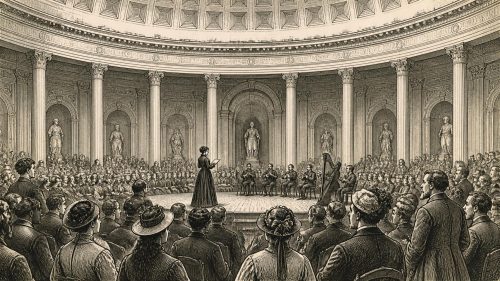
In 1897, Ireland remained under the Union, with Home Rule stalled and nationalist parliamentary strength weakened after Parnell. Debate increasingly focused on prospective local-government reform, while Victoria’s Diamond Jubilee exposed competing loyalist, nationalist, republican and socialist allegiances. Cultural nationalism gained durable institutions: Gaelic League held first Oireachtas at Dublin’s Rotunda, and first Feis Ceoil promoted musical cultivation. Yeats, Lady Gregory and Edward Martyn planned an Irish Literary Theatre, while Bram Stoker published Dracula. Rural life depended on land and British markets; Horace Plunkett advanced agricultural co-operation. Anti-jubilee protests, cultural initiatives and practical reform reflected an increasingly organised, diverse national life.
Read Article
Archived: 9 October 2026
Abstract
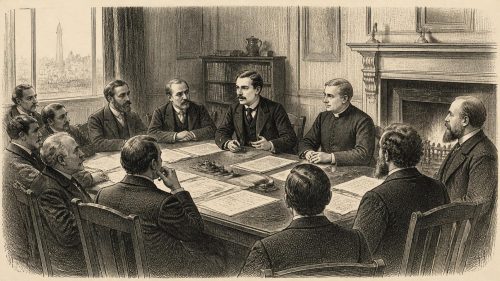
In 1895, the fall of Lord Rosebery’s Liberal government ended immediate hopes of Home Rule, while the general election confirmed nationalist strength but exposed continuing division after the Parnell split. Gerald Balfour became chief secretary amid unresolved land grievances, limited purchase reform and persistent rural inequality. Horace Plunkett launched negotiations for the cross-party Recess Committee, promoting agricultural cooperation, technical education, credit and industry; its later achievements were not yet assured. The Irish Homestead and early Gaelic League records reflected growing economic and cultural organisation. John Daly’s election highlighted political imprisonment, while Oscar Wilde’s conviction and imprisonment marked devastating cultural loss.
Read Article
Archived: 9 October 2026
Abstract
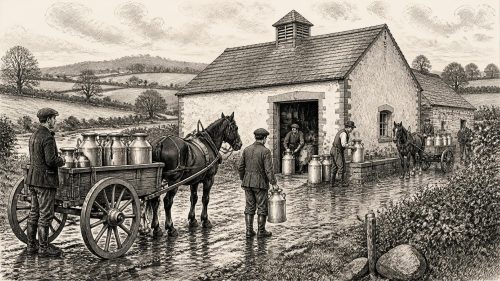
Amid stalled Home Rule and unresolved land grievances, 1894 saw Ireland develop new forms of collective organisation. Gladstone’s resignation, the Lords’ rejection of Home Rule and the Evicted Tenants Bill, and the Irish Parliamentary Party split exposed constitutional nationalism’s weakness, while a financial-relations commission acknowledged fiscal concerns. Administrative shortcomings persisted, including local democracy and poor-rate oversight. In April Horace Plunkett’s Irish Agricultural Organisation Society began coordinating rural co-operation, promoting creameries, collective marketing and expertise. Dublin’s Irish Trades Union Congress and May Labour Day demonstration gave organised workers a forum. Compulsory school attendance expanded unevenly, while Æ’s poetry reflected cultural revival.
Read Article
Archived: 10 October 2026
Abstract
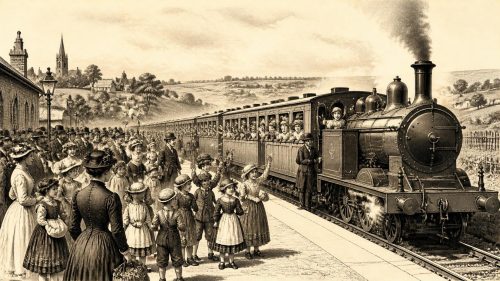
In 1889, Richard Pigott’s forged letters linking Charles Stewart Parnell to the Phoenix Park murders collapsed under cross-examination, vindicating Parnell though the Special Commission continued. Rural conflict persisted around the Plan of Campaign and coercive enforcement, despite reduced official proclamations. The Armagh railway disaster killed 80 people and injured 260, prompting railway safety legislation. Horace Plunkett began co-operative experiments at Doneraile. Cultural developments included Yeats’s The Wanderings of Oisin and Other Poems and Douglas Hyde’s Irish-language folktale collection. Parnell’s year ended ominously when Captain William O’Shea filed a divorce petition, foreshadowing the crisis of 1890 and the ensuing party split.
Read Article
Archived: 10 October 2026
Abstract
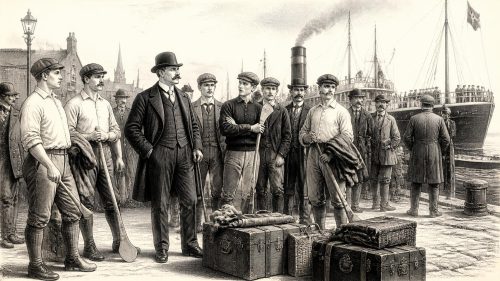
In 1888 Ireland faced coercion, agrarian conflict and scrutiny of constitutional nationalism. The Special Commission investigated allegations against Charles Stewart Parnell and Irish MPs, while the Plan of Campaign provoked prosecutions, evictions and papal condemnation. Local government reform failed, leaving Ireland without elected county councils. Meanwhile, Horace Plunkett promoted co-operation, Christian Brothers College opened in Cork, and W. B. Yeats published Fairy and Folk Tales of the Irish Peasantry. Maurice Davin led Gaelic Athletic Association athletes to America, promoting hurling among emigrants despite financial difficulties. These developments demonstrated continuing struggles over political representation, land, religion, culture and Irish institutional independence.
Read Article




