309th Century Ireland BCE

Archived: 23 September 2026
Abstract
30,801 BCE is a modern label within Marine Isotope Stage 3, not a precisely recoverable Irish year. At Derryvree, County Fermanagh, BIRM-166 organic sediments, dated broadly to 36,900–31,700 calendar years BP, record a cold freshwater wetland between glacial advances, with bogbean, dwarf willow, sedges and insects. They indicate local ice-free conditions, not an ice-free island. Castlepook Cave, County Cork, preserves faunal remains accumulated over many episodes, showing habitats supporting mammoth, deer, predators and later cold-adapted species. A possibly cut-marked reindeer bone suggests fleeting human presence, but lacks contextual confirmation. Evidence supports a variable, severe landscape, not settled society or events.
Read Article
Archived: 23 September 2026
Abstract
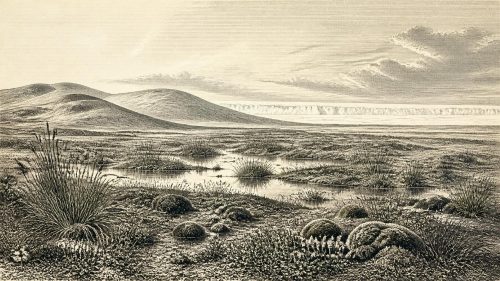
30,802 BCE is a modern label within Marine Isotope Stage 3, not a precisely recoverable Irish year. At Derryvree near Maguiresbridge, Fermanagh, freshwater organic silts between two tills record a cold, treeless tundra wetland during an interval of glacial retreat, later sealed by returning ice. Plants, pollen and insects show productive but severe conditions. Castlepook Cave, Cork, preserves a mixed late Pleistocene fauna, including cold-adapted mammals, though its deposits cannot represent one community or moment. A marked reindeer femur may indicate brief human butchery, but remains inconclusive. Evidence reveals environmental instability, not settled societies, institutions or permanent human occupation there.
Read Article
Archived: 23 September 2026
Abstract
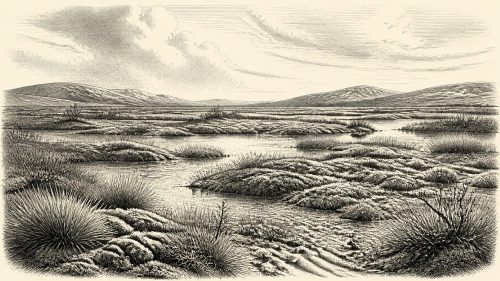
Thirty thousand eight hundred and three BCE is an imprecise label for a Late Pleistocene interval, not a Irish year. At Derryvree, County Fermanagh, freshwater silts, organic layers and tundra flora between two tills record an ice-free phase around 33,500 years BP, later buried by renewed glaciation. Mosses, sedges, insects and open vegetation indicate cold periglacial wetlands, not forest or settlement. Irish cave remains show cold-adapted mammals, including reindeer and mammoth, during wider MIS 3, though dates and associations remain uncertain. Human activity is possible but unproven; no secure contemporary settlement, tools or social history survives. Only environmental evidence survives.
Read Article
Archived: 23 September 2026
Abstract
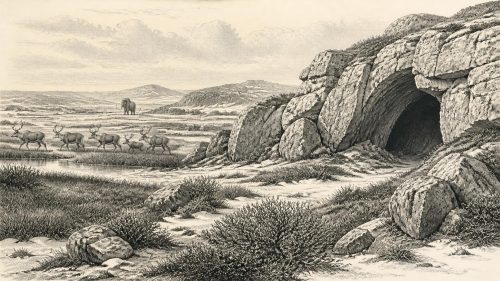
Around 30,804 BCE, Ireland formed part of a cold, unstable Late Pleistocene landscape, with changing ice margins, low sea levels and uncertain routes to Britain and Europe. Castlepook Cave in County Cork preserves Ireland’s richest pre-Last Glacial Maximum vertebrate archive, documenting reindeer, mammoth, hyaena, giant deer and other fauna accumulated over millennia, rather than one moment. These animals indicate episodically productive open habitats. No secure evidence establishes human settlement, tools, hearths or communities. A marked reindeer bone may record stone-tool butchery, suggesting a brief human visit, but its interpretation remains uncertain. Future excavation and analysis may clarify Ireland’s human presence.
Read Article

Archived: 23 September 2026
Abstract
Ireland around 30,805 BCE lay in unstable MIS 3, before maximum British-Irish glaciation, rather than a date permitting annual historical precision. Derryvree, County Fermanagh, records an ice-free interval between till layers, with freshwater muskeg, tundra plants and periglacial conditions; its radiocarbon date is broad and requires calibration. Castlepook Cave, County Cork, preserves a time-averaged fauna including reindeer, mammoth, giant deer, predators and scavengers, demonstrating intermittent open habitats and wider European ecological links. A marked reindeer femur may indicate human butchery, but cannot alone prove settlement there. Ireland's history was chiefly environmental: shifting ice, landscapes, animals and possibly brief human visits.
Read Article
Archived: 23 September 2026
Abstract
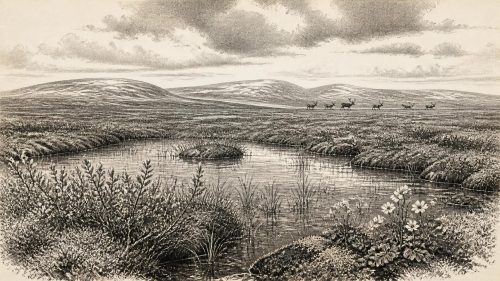
30,806 BCE is a modern label within a broad Late Pleistocene range, not a recoverable Irish year. At Derryvree, County Fermanagh, organic freshwater sediments between glacial tills indicate a temporary interruption of local ice cover, dated broadly to 34,950–29,750 BCE. Plant remains reconstruct cold, treeless, marshy tundra with sedges, mosses and dwarf shrubs. Cave faunas, especially Castlepook’s, demonstrate episodic presence of mammals including reindeer, mammoth and hyaena, but not a single contemporary ecosystem. A possibly tool-marked reindeer bone suggests brief human visits, not settlement. Dynamic ice expansion increasingly shaped Ireland, while evidence supports neither polities, farming nor monuments at all.
Read Article

Archived: 23 September 2026
Abstract
Around 30,807 BCE, Ireland lay in an unstable MIS 3 Ice Age environment, not a documented historical era. Organic silts beneath till at Derryvree, County Fermanagh, dated broadly to this period, show locally ice-free tundra wetland between glacial advances, supporting mosses, sedges, freshwater life and cold-adapted plants. Castlepook Cave, County Cork, preserves remains of mammoth, reindeer, giant deer and predators, indicating episodically rich open-country fauna. A cut-marked reindeer bone may signal brief human carcass processing, but cannot establish settlement or population. Subsequent ice-sheet expansion reshaped Ireland, making these fragmentary deposits vital evidence for its pre-maximum glacial landscapes and ecological history.
Read Article

Archived: 23 September 2026
Abstract
30,808 BCE is a modern label within a broad Late Glacial interval, not a recoverable Irish calendar year. At Derryvree, County Fermanagh, freshwater sediments sealed beneath tills date broadly to this period, showing locally ice-free or limited-ice periglacial conditions before major ice-sheet expansion. Pollen, plants, mosses and insects reveal wet, open tundra-like habitats with pools, sedges, grasses, herbs and scarce trees. Castlepook Cave in Cork records cold-adapted fauna, including mammoth, reindeer and predators, but its mixed deposits are not precisely contemporary. A possibly butchered reindeer bone suggests uncertain early human activity; no secure evidence demonstrates settlement, society, politics or trade.
Read Article
Archived: 23 September 2026
Abstract
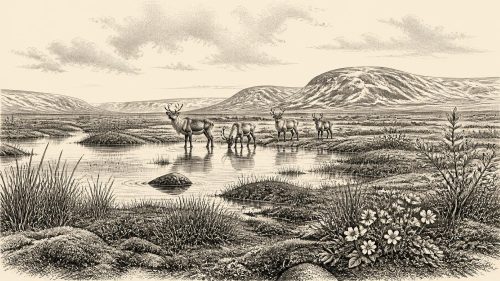
Around 30,809 BCE, Ireland lay within the unstable cold conditions of Marine Isotope Stage 3, not a precisely datable historical year. At Derryvree, County Fermanagh, freshwater sediments between glacial tills record an ice-free interval with treeless, periglacial wetlands, sparse vegetation and shallow pools. Castlepook Cave, County Cork, preserves remains of mammoth, giant deer, reindeer, hyena, wolves and other Ice Age animals, though deposits represent different episodes. A marked reindeer femur may indicate Upper Palaeolithic butchery, but cannot prove settlement or sustained occupation. Later glaciation and erosion obscured evidence. The period is chiefly understood through fragmented environmental and faunal archives alone.
Read Article

Archived: 23 September 2026
Abstract
30,810 BCE is an artificial label, best understood within Late Pleistocene MIS 3 rather than as a recoverable Irish year. Derryvree, County Fermanagh, preserves freshwater sediments dated to 36,900–31,700 calibrated years BP, indicating an ice-free, treeless tundra wetland later buried by glacial tills. Ireland's climate, ice cover, coastlines and habitats shifted. Crag Cave records milder conditions, while Castlepook Cave documents diverse cold-adapted fauna, though not one contemporaneous ecosystem. A marked reindeer bone may indicate human activity, but no settlement exists. Evidence supports a landscape of wetlands, roaming animals, growing ice and possible transient human passage, not identifiable societies or events.
Read Article
Loading more articles…

