311th Century Ireland BCE

Archived: 20 September 2026
Abstract
Labelled 31,001 BCE only conventionally, this period cannot be reconstructed to a single calendar year. Derryvree, County Fermanagh, preserves freshwater silts between glacial tills, documenting a cold, largely treeless periglacial mosaic of wetlands, aquatic plants, sedges, mosses and sparse open vegetation during an interval between ice advances. Lower sea levels altered surrounding landscapes, while growing ice sheets created variable barriers. Cave fauna, especially at Castlepook, indicates reindeer, mammoth, giant deer and predators in broader cold-stage Ireland. A possibly cut-marked reindeer bone suggests fleeting human presence, but proves neither settlement nor culture. Evidence reveals a changing landscape vulnerable to renewed glaciation.
Read Article

Archived: 20 September 2026
Abstract
Around 31,002 BCE, Ireland was a climatically unstable Late Pleistocene landscape, not a documented historical society. Derryvree, County Fermanagh, records an ice-free periglacial interval between glacial deposits, with treeless tundra vegetation, wetlands and freshwater habitats, though its radiocarbon evidence permits only broad dating. Castlepook Cave, County Cork, preserves diverse fauna, including mammoth, reindeer, giant deer and hyena, demonstrating ecological connections with Europe and abundant open-country wildlife. A marked reindeer bone may indicate human activity, but cannot establish settlement or hunting. As the British–Irish Ice Sheet expanded, habitats and possible travel corridors shifted, leaving fragmentary evidence of a dynamic, diverse island.
Read Article
Archived: 20 September 2026
Abstract
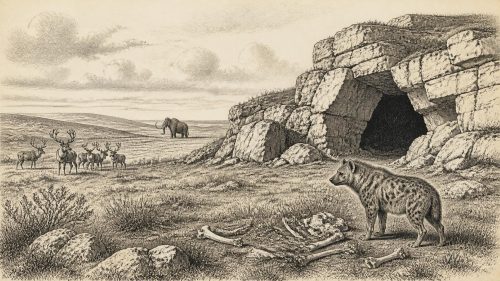
Around 33,000 radiocarbon years before present, Ireland was a cold, open, low-sea-level landscape within wider north-west Europe, not a modern island. Castlepook Cave, County Cork, preserves over 2,000 Late Pleistocene bones deposited across millennia, including mammoth, giant deer, reindeer, brown bear and spotted hyaena. These remains demonstrate a diverse but fluctuating fauna, shaped by climate, predators, water and cave processes. A marked reindeer femur may indicate stone-tool butchery and Ireland’s earliest human presence, but remains unconfirmed and cannot prove settlement. No evidence supports permanent communities, institutions or occupation. Castlepook chiefly records an environmentally changing Ice Age frontier before maximum glaciation.
Read Article
Archived: 20 September 2026
Abstract
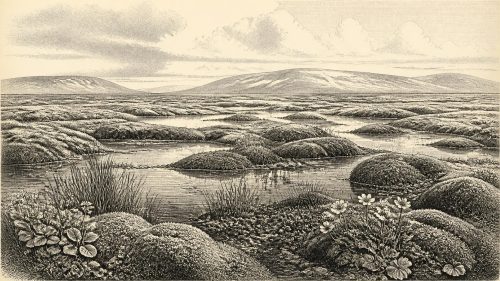
31,004 BCE is a modern label within a broad, uncertain Ice Age interval, not a recoverable historical year. At Derryvree, County Fermanagh, freshwater silts between glacial tills indicate a locally ice-free episode, preserving mosses, sedges, aquatic plants and tundra vegetation in wet, treeless conditions. Castlepook Cave, County Cork, contains a long, mixed fauna including mammoth, reindeer, giant deer, hyena and other cold-adapted animals, demonstrating intermittent ecological connections with north-west Europe. A cut-marked reindeer bone may indicate early human butchery, but proves neither settlement nor continuous occupation. Subsequent ice expansion buried or destroyed many landscapes, leaving fragmentary regional evidence for historians.
Read Article

Archived: 20 September 2026
Abstract
Around 31,005 BCE, Ireland has no recoverable human history, but geological and biological evidence illuminates a changing Late Pleistocene environment. At Derryvree, County Fermanagh, freshwater sediments between glacial tills record an ice-free interval, broadly dated to encompass this nominal year. Pollen, plants, mosses and insects indicate a cold, treeless tundra wetland of pools, sedges, herbs and damp ground. Castlepook Cave, County Cork, preserves wider Marine Isotope Stage 3 fauna, including mammoth, reindeer, hyaena and bear, though not necessarily contemporaneously. No secure evidence proves human settlement; later ice advances buried or destroyed much of the earlier record across the island's landscapes.
Read Article

Archived: 20 September 2026
Abstract
About 31,006 BCE, Ireland lay within the fluctuating cold conditions of Marine Isotope Stage 3, not a datable historical year. Organic deposits at Derryvree, Fermanagh, preserved between glacial tills, indicate treeless freshwater wetlands during an ice-free interval, while related northern sites confirm episodic, uneven glaciation. Castlepook Cave, Cork, contains reindeer, mammoth, giant deer and predators, demonstrating access for large mammals across changing landscapes. A marked reindeer femur, possibly cut by a stone tool, may indicate brief Upper Palaeolithic human activity, but lacks secure archaeological context. No settlement, community or culture is established. Subsequent ice, erosion and rising seas obscured evidence.
Read Article

Archived: 20 September 2026
Abstract
Around 31,007 BCE, Ireland lay in the unstable later phase of the last Ice Age, not necessarily beneath maximum ice cover. Fragmentary geological and cave evidence indicates cold, open environments and changing connections with north-west European fauna. Castlepook Cave in County Cork preserves remains of hyenas, reindeer, mammoths and other mammals, accumulated largely through carnivore activity. A marked reindeer femur may indicate human butchery, but its old excavation context and uncertain taphonomy prevent firm conclusions. No settlements or society can be reconstructed. Later glaciation destroyed evidence, leaving Castlepook as a crucial yet provisional record of ecological change and possible visitation.
Read Article

Archived: 20 September 2026
Abstract
Circa 31,008 BCE, Ireland lay within the unstable MIS 3 phase of the last Ice Age, rather than the later glacial maximum. At Derryvree, County Fermanagh, freshwater sediments, plants and insects preserved between tills demonstrate a cold, largely treeless wetland existing between local ice advances. Lower sea levels altered coastlines, although routes to Britain or Europe remain uncertain. Southern caves preserve remains of reindeer, mammoth, giant deer and predators, indicating changing ecological connections. A possibly cut-marked Castlepook reindeer bone suggests, but cannot prove, fleeting human presence. No evidence supports permanent settlement, agriculture, politics, or named communities in Ireland at all.
Read Article

Archived: 20 September 2026
Abstract
At the notional date of 31,009 BCE, Ireland cannot be described year by year, but evidence places it within a volatile Late Pleistocene cold stage. Derryvree, County Fermanagh, preserves wetland sediments between glacial tills, dated broadly to 36,900–31,700 calibrated years ago. Plant, pollen and insect remains indicate treeless tundra, freshwater pools and marsh vegetation. Castlepook Cave, County Cork, records diverse mammals, including reindeer, mammoth and hyaena, demonstrating intermittent connections with Europe. A marked reindeer bone may indicate Upper Palaeolithic butchery, yet cannot prove settlement. Growing ice later buried much evidence, leaving human presence uncertain and environmental reconstruction necessarily appropriately cautious.
Read Article

Archived: 20 September 2026
Abstract
Around 31,010 BCE, Ireland’s history is reconstructed from environmental and archaeological evidence, not dated events. Derryvree, County Fermanagh, preserves freshwater wetland sediments between glacial tills, indicating cold, treeless, locally ice-free terrain with mosses, sedges, herbs and shallow pools during MIS 3. Crag Cave records episodic climatic improvement. Castlepook Cave, County Cork, contains a long-accumulated Ice Age fauna including mammoth, giant deer, reindeer, bear and hyaena, although species were not necessarily contemporary. Possible tool damage on one bone is inconclusive. No secure evidence exists for settlements, polities or sustained human occupation. Later ice buried or erased much of this fragmented record.
Read Article
Loading more articles…




