Limerick Generations 2
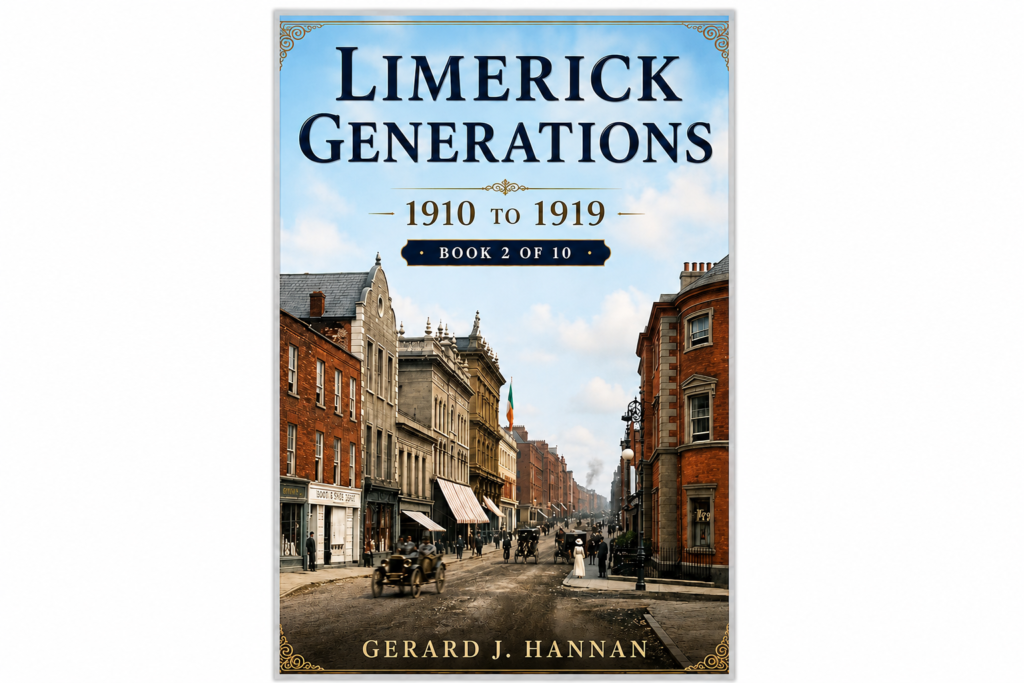
Book 2 of 10 : 1910 ~ 1919
Limerick Generations: 1910 to 1919 follows Limerick city and county through a decade of upheaval, uncertainty and profound political change. The period opened with confidence in parliamentary nationalism and the prospect that Home Rule might finally grant Ireland limited self-government. It closed amid revolution, labour unrest and a direct challenge to British authority. Between those points, ordinary life was repeatedly disturbed by political division, war, bereavement, economic hardship, epidemic disease and rising expectations. Limerick did not merely observe these events from a distance. Their consequences entered its streets, farms, workplaces, schools, churches, railway stations and family homes across the county.
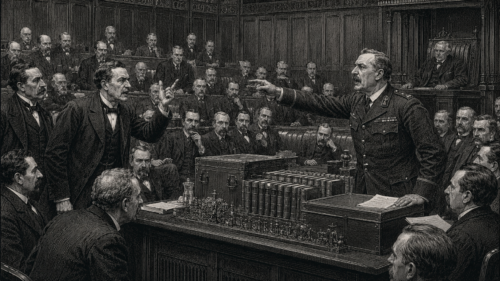
Home Rule dominated political argument during the decade’s opening years, dividing nationalists, unionists and those uncertain about Ireland’s constitutional future. Public meetings, election campaigns, newspaper columns and parish conversations carried the debate into daily life. Supporters believed parliamentary action could secure national progress without violence, while opponents feared political separation and social instability. Limerick’s loyalties were shaped by religion, class, property, local leadership and inherited political traditions. Yet constitutional nationalism would soon face pressures it could not contain. War, postponed reform and public disappointment gradually weakened confidence in Westminster, creating space for more radical organisations, language and forms of resistance.
Labour organisation also challenged established authority across Limerick city and county. Workers confronted low wages, insecure employment, long hours and limited protection against illness or dismissal. Trade unions provided collective strength, but organisation could bring confrontation with employers, police and civic leaders. Strikes and disputes exposed the unequal distribution of power within workplaces and communities. Dockers, transport workers, factory employees, tradesmen and labourers experienced industrial conflict differently, yet shared a growing belief that poverty was not inevitable. Labour activism connected wages and conditions with wider questions of dignity, citizenship and control, preparing the ground for extraordinary events before decade’s end.
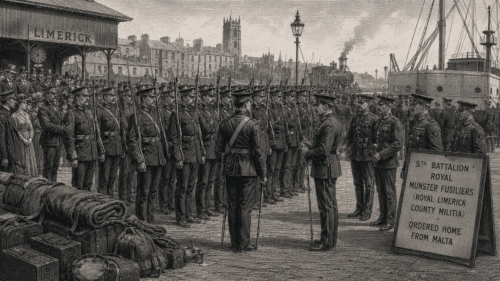
The First World War transformed Limerick from August 1914 onward. Local men enlisted for many reasons, including employment, family tradition, political conviction, adventure and economic necessity. Their departures were marked at barracks, railway stations and household doors, while newspapers carried recruitment appeals, casualty lists and reports from distant battlefields. Families endured uncertainty as letters arrived irregularly or stopped entirely. Death, injury and trauma entered communities far removed from the fighting. Wartime inflation placed additional pressure on food, fuel and rent. The conflict reshaped political loyalties, disrupted livelihoods and left grief embedded within homes, streets, parishes and rural districts throughout Limerick.
The Easter Rising of 1916 altered the direction of Irish nationalism, though the principal fighting occurred elsewhere. Initial reactions in Limerick were mixed, reflecting confusion, fear, political loyalty and concern about disorder. Executions, arrests and imprisonment transformed understanding, turning defeated rebels into symbols of sacrifice and resistance. Constitutional nationalism lost ground as Sinn Féin gained organisation, confidence and popular support. Meetings, commemorations, newspapers and returning prisoners helped spread a new political language. For many Limerick people, allegiance changed gradually rather than suddenly. The Rising’s influence lay not only in armed action, but in the altered possibilities people imagined for Ireland.
Women played essential roles in the political, economic and domestic life of wartime Limerick. They maintained households under rising prices, entered new employment, supported charitable efforts and participated increasingly in nationalist and labour organisations. Cumann na mBan and other associations created opportunities for political education, fundraising, communication and practical organisation. Women also nursed the sick, cared for bereaved families and managed homes affected by enlistment, imprisonment or unemployment. Their contribution was often described as supportive, yet it was fundamental to political mobilisation and community survival. The decade expanded women’s public activity while preserving persistent inequalities governing authority, wages and recognition.
The anti-conscription campaign of 1918 united powerful forces across nationalist Ireland and brought political mobilisation into Limerick’s parishes, workplaces and households. Britain’s attempt to extend compulsory military service to Ireland provoked resistance from political leaders, clergy, trade unionists and families. Public pledges, meetings, sermons and demonstrations expressed widespread refusal to accept forced enlistment. The campaign strengthened Sinn Féin while weakening the Irish Parliamentary Party. It revealed how wartime pressures could draw together groups divided on other questions. In Limerick, opposition to conscription combined fear for local men with a broader insistence that Ireland’s future should not be dictated from Westminster.
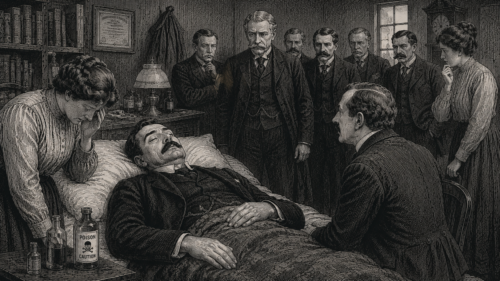
Influenza brought a different kind of crisis during 1918 and 1919. The pandemic moved through homes, schools, workplaces, institutions and military communities, striking families already burdened by war, shortages and political tension. Hospitals, doctors, nurses, clergy and neighbours faced demands that exceeded available resources. Illness disrupted employment, education, transport and public gatherings, while sudden deaths deepened a decade already marked by bereavement. Official reports recorded mortality, but could not fully convey the fear inside crowded dwellings or the exhaustion of carers. The epidemic demonstrated how poverty, housing and public health shaped survival, making inequality a matter of life and death.
The year 1919 brought Limerick to the centre of national attention. The First Dáil claimed democratic authority, while revolutionary organisation expanded throughout Ireland. In County Limerick, the Knocklong rescue displayed the growing confidence and determination of republican activists. In the city, the Limerick Soviet emerged from resistance to military restrictions imposed after the death of Robert Byrne. Workers organised permits, transport, food distribution and currency, demonstrating an extraordinary capacity for collective government. Though brief, the Soviet united labour protest with opposition to military authority. It revealed how local grievances became part of the wider struggle over sovereignty, rights and legitimacy.
Grounded in newspapers, official reports, council records, police files, military documents, census evidence and archival collections, this volume restores national events to their local setting. Soldiers, workers, farmers, women, children, unionists, nationalists, republicans and ordinary householders appear not as background figures, but as participants in history. Their lives reveal how war, rebellion, illness, political awakening and economic hardship were experienced through work, rent, food, schooling, faith, grief and family responsibility. Limerick entered the decade expecting constitutional reform. It emerged facing revolution and unresolved social conflict, carrying losses that could not be repaired and possibilities that could no longer be ignored.