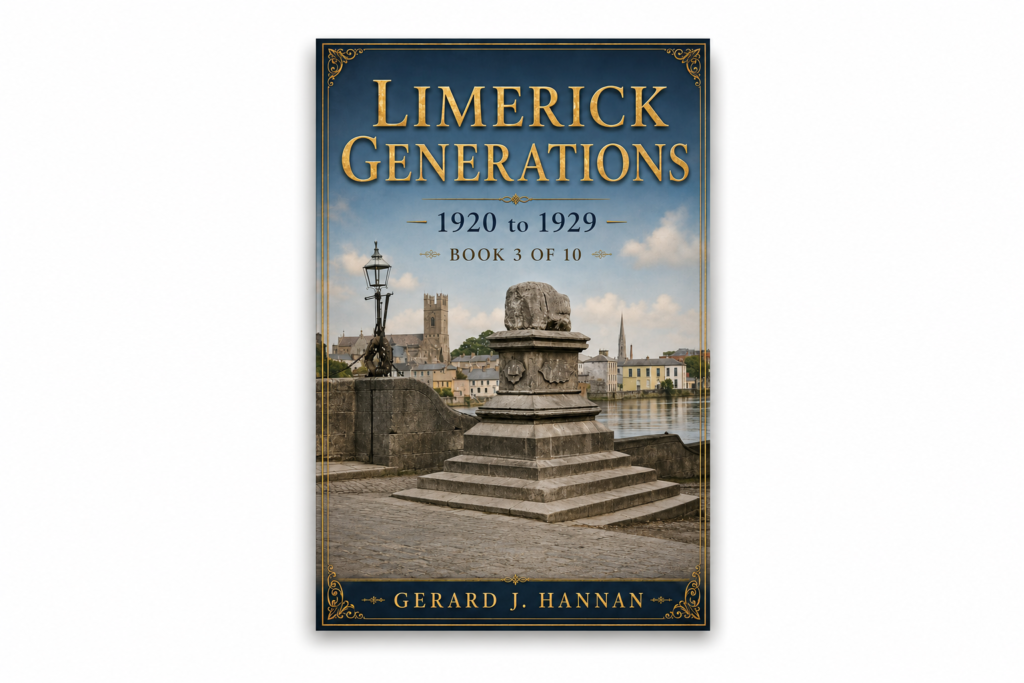
Limerick Generations 3
Book 3 of 10 : 1920 ~ 1929
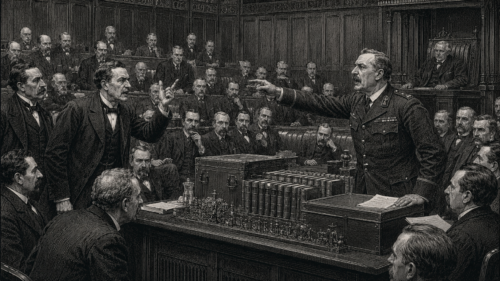
Limerick entered the 1920s amid armed struggle, political upheaval and profound uncertainty. During the War of Independence, raids, arrests, reprisals and ambushes drew communities across the city and county into conflict, while British military and police forces maintained an extensive local presence. The Truce of July 1921 ended open hostilities against Crown forces but did not restore political agreement. The Anglo-Irish Treaty divided former comrades over allegiance, sovereignty and the settlement’s acceptance of partition. Limerick families soon found that the movement which had united many people against British rule could fracture bitterly when the form of independence itself had to be decided.
Civil War brought that division into Limerick’s streets and countryside during 1922 and 1923. Pro- and anti-Treaty forces contested control of the city, while major fighting also occurred around Kilmallock and elsewhere in the county. Barracks, roads, railways and communications became military objectives, and civilians lived amid searches, damaged property, disrupted transport and uncertain authority. The National Army secured Limerick city after fighting in July 1922, but resistance continued across rural districts. Arrests, internment, executions and guerrilla operations deepened wounds within communities where opposing men had often served together during the earlier struggle against British rule.
The establishment of the Irish Free State required new institutions to replace those associated with British administration. Local government had to function despite damaged finances, political suspicion and the loss of experienced personnel. The Civic Guard gradually assumed policing responsibilities, while courts, schools, public services and county administration adapted to the new constitutional order. Independence did not remove the practical burdens faced by ordinary people. Housing shortages, unemployment, emigration, poor relief and agricultural insecurity remained pressing concerns, demonstrating that political sovereignty could not immediately correct inequalities created over generations or guarantee secure work and decent living conditions.
Beyond politics, Limerick’s people continued to shape everyday life through religion, education, work and recreation. Businesses attempted to recover from disrupted trade, while the decline of established industries created anxiety about employment. Women’s organisations, schools and religious associations influenced public behaviour and social expectations. Cinemas attracted growing audiences, sporting clubs rebuilt competitions, and improved roads and transport altered movement between town and countryside. These developments did not erase the recent violence, but they revealed a society seeking routine and enjoyment after years dominated by military reports, funerals, imprisonment and political mobilisation.
By the end of the decade, Limerick had become part of an independent state, yet the meaning of that transformation remained contested. Former revolutionaries entered politics, administration and policing, while others continued to reject the Treaty settlement. Families carried memories of sacrifice, imprisonment and divided allegiance into workplaces, parishes and neighbourhoods. Reconstruction therefore involved more than repairing buildings or restoring transport. It required people to live beside former opponents, rebuild confidence in public institutions and confront economic hardship without the unity once supplied by resistance to British rule. The 1920s left Limerick independent, altered and deeply marked by revolution.

This Link Will Go Live On Publication Day: July 5th 2026