Advanced nationalists have rejected claims that Queen Victoria’s public reception.
Hidden Discontent
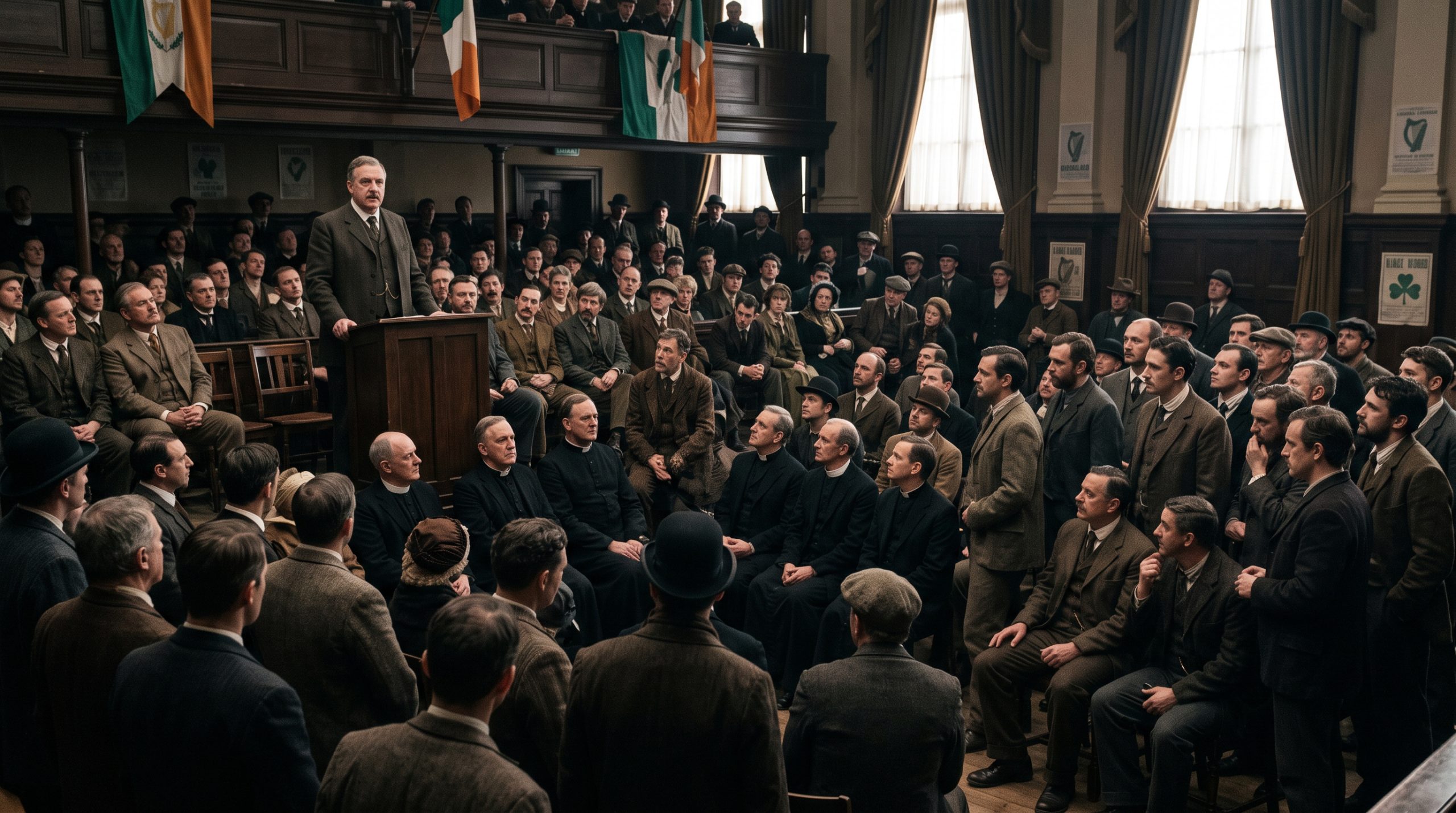
Advanced nationalists have rejected claims that Queen Victoria’s public reception demonstrates widespread Irish loyalty, arguing that the decorations and official ceremonies conceal deep political discontent. Dublin’s principal streets have been covered with garlands, ceremonial arches and symbols of imperial authority, while military escorts, civic addresses and organised celebrations have presented an image of national harmony. Separatist critics insist that this display was created by government departments, loyal institutions and commercial interests rather than by an Ireland content with British rule. In Limerick, their argument will appeal to nationalists who see Home Rule delayed, poverty unresolved and political authority retained at Westminster.
View Record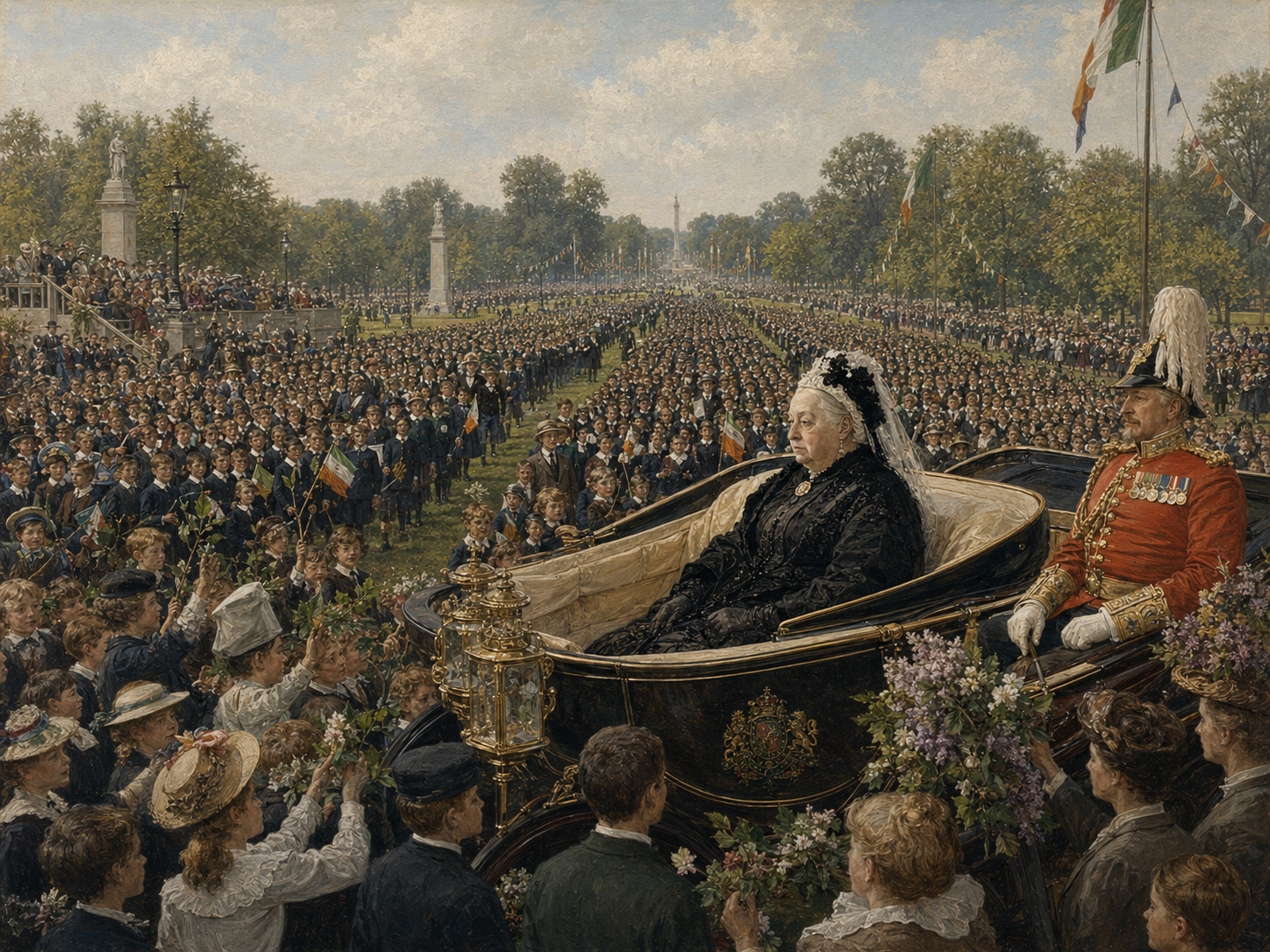
Unionist opinion has interpreted the enthusiastic public welcome given to.
Loyal Ireland
Unionist opinion has interpreted the enthusiastic public welcome given to Queen Victoria as convincing evidence that Ireland remains loyal to the Crown and firmly attached to the United Kingdom. Reports from Dublin describe immense crowds lining the route from Kingstown, cheering as the royal carriage passed through extensively decorated streets towards Phoenix Park. Loyalist newspapers and organisations argue that such scenes contradict nationalist claims to speak for the whole Irish population. In Limerick, supporters of the Union will regard the reception as proof that allegiance to the monarchy continues among military families, merchants, officials, Protestants and many citizens attracted by imperial identity.
View Record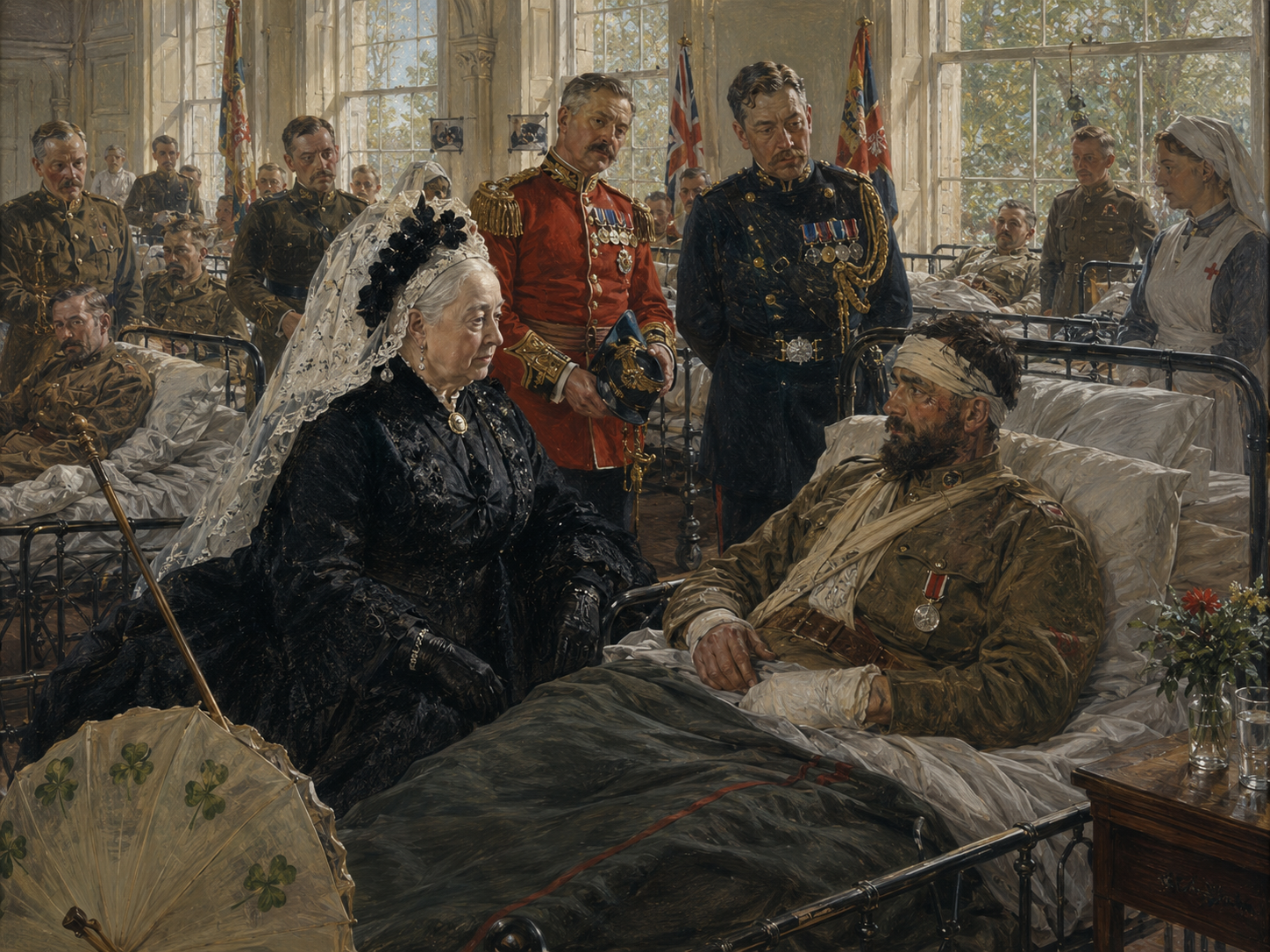
Queen Victoria’s final visit has intensified argument across Ireland over.
Divided Allegiance
Queen Victoria’s final visit has intensified argument across Ireland over loyalty, national identity and the country’s constitutional position within the United Kingdom. Unionist organisations and public institutions have treated the royal ceremonies as evidence that attachment to the Crown remains strong, while nationalist critics insist that cheering crowds cannot settle Ireland’s demand for self-government. Limerick residents are following the dispute through newspapers, political clubs and public conversation. The same procession may appear to one observer as a dignified expression of loyalty and to another as an imperial display staged by a government lacking democratic authority in Ireland.
View Record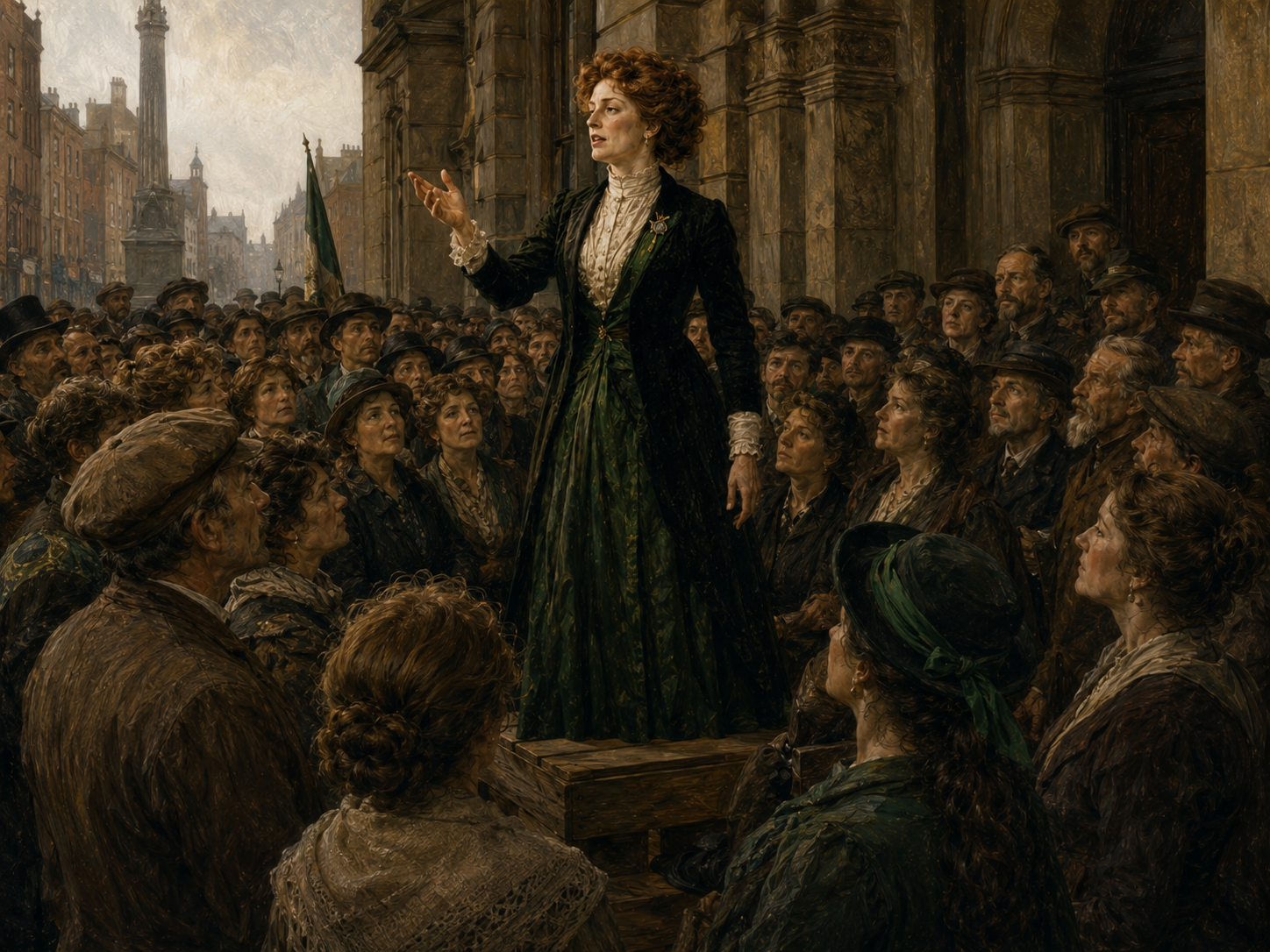
Nationalist women have organised a vast Patriotic Children’s Treat in.
Patriotic Children
Nationalist women have organised a vast Patriotic Children’s Treat in Dublin as a direct challenge to the royal celebration arranged for school pupils during Queen Victoria’s April visit. Led by Maud Gonne, the women gathered children whose families had rejected or avoided the Phoenix Park festivities and offered them a separate day of food, music, recreation and national instruction. The event demonstrates that women excluded from formal political power can still influence public opinion through community organisation. Limerick nationalists will follow the gathering closely, recognising its attempt to place Irish identity rather than imperial loyalty before the country’s children.
View Record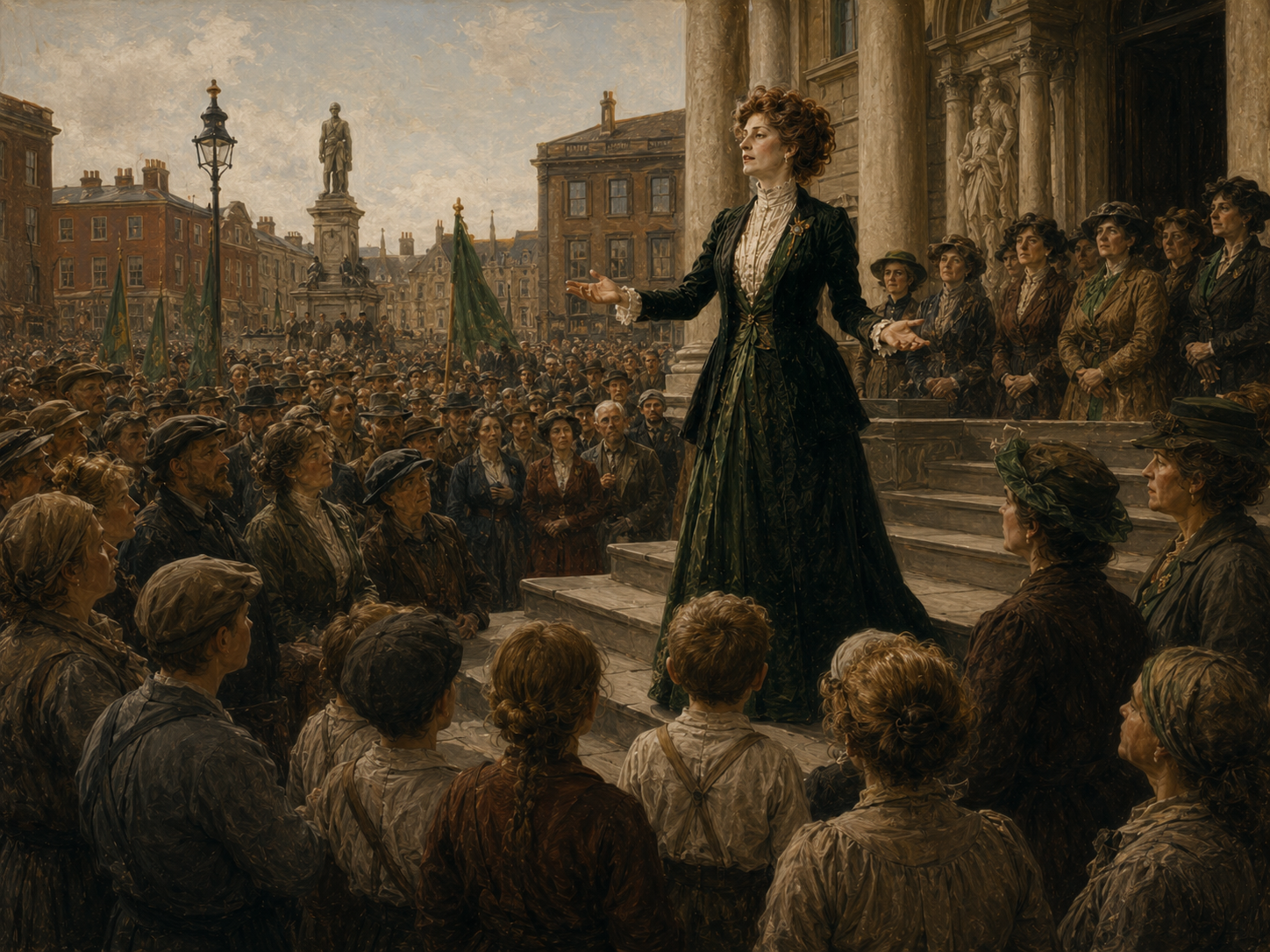
Maud Gonne and other advanced nationalists have organised determined opposition.
Nationalist Defiance
Maud Gonne and other advanced nationalists have organised determined opposition to Queen Victoria’s visit, rejecting official claims that the royal ceremonies represent the will of the Irish people. Gonne’s article “The Famine Queen,” published immediately before the monarch’s arrival, condemns the visit as an imperial and military demonstration conducted during the South African War. Her supporters have challenged loyal addresses, public decorations and attempts to present cheering crowds as evidence of national contentment. In Limerick, where nationalist opinion is strong, the campaign will attract attention among readers who regard Home Rule as insufficient and seek complete Irish independence.
View Record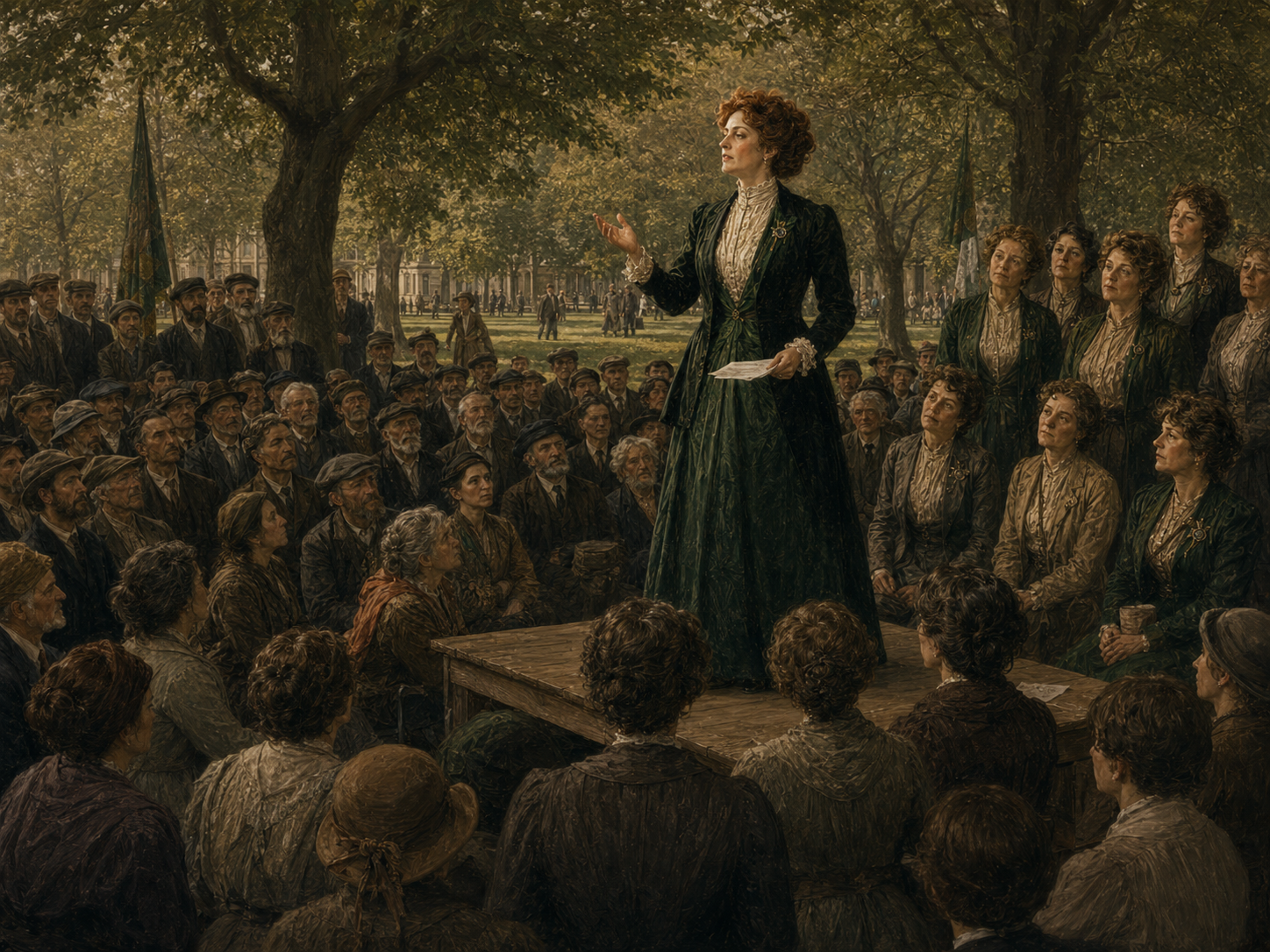
Nationalist newspapers have criticised Queen Victoria’s visit as an elaborate.
Pageantry Challenged
Nationalist newspapers have criticised Queen Victoria’s visit as an elaborate imperial spectacle staged while poverty, overcrowding and emigration continue to shape Irish life. Their editorials argue that decorated streets, military escorts and loyal addresses cannot conceal the economic hardship experienced in towns, rural districts and labouring households. Reports of cheering crowds are being answered with reminders of families divided by migration, tenants struggling upon poor land and workers surviving upon uncertain wages. In Limerick, where poverty and departure remain familiar realities, such criticism will find readers unwilling to accept royal ceremony as evidence that Ireland is prosperous, contented or politically satisfied.
View Record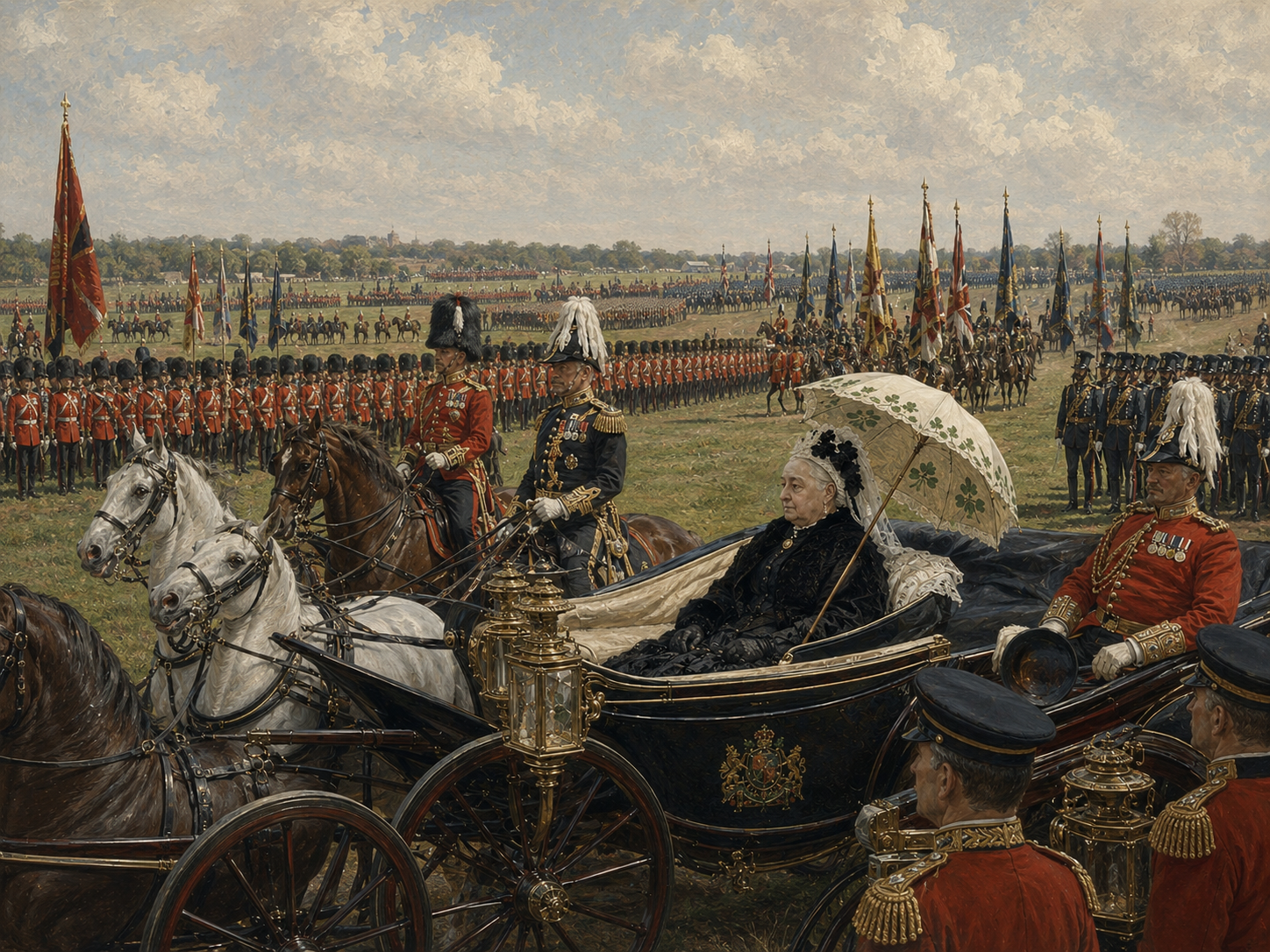
Nationalist-controlled authorities and public representatives in several districts have resisted.
Nationalist Resistance
Nationalist-controlled authorities and public representatives in several districts have resisted demands that they participate fully in the loyal ceremonies surrounding Queen Victoria’s visit to Ireland. Motions, public meetings and newspaper statements have challenged the claim that municipal addresses and official receptions represent the settled opinion of the Irish people. Some nationalist councillors refused to associate themselves with declarations of allegiance, while others attended civic proceedings only after arguing that formal courtesy towards the monarch did not amount to approval of British government. The disputes have reached Limerick, where public bodies must balance local political convictions against established ceremonial expectations.
View Record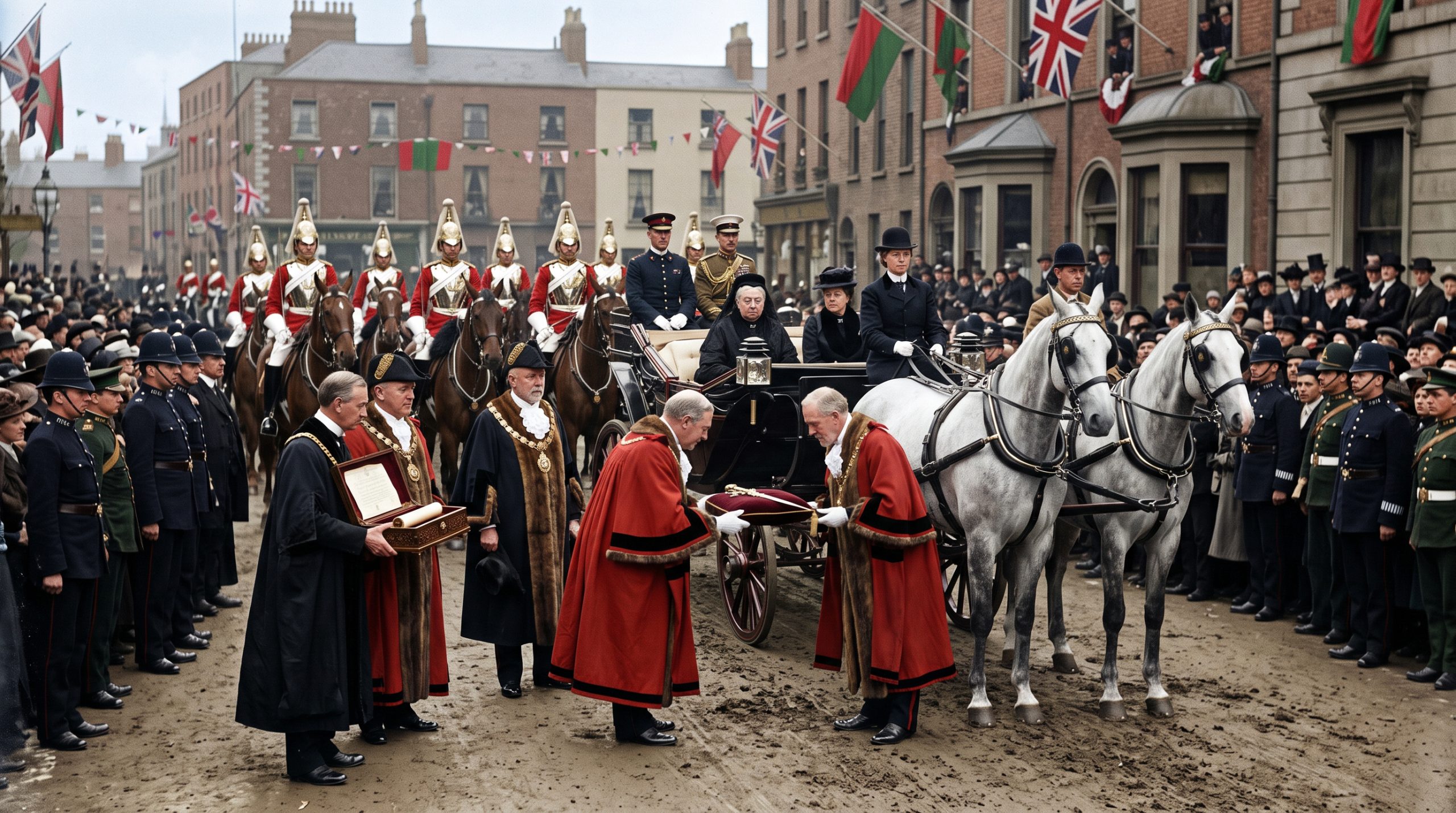
Loyal addresses have been presented to Queen Victoria by municipal.
Loyal Addresses
Loyal addresses have been presented to Queen Victoria by municipal representatives and public institutions during the opening ceremonies of her final visit to Ireland. At Kingstown, the chairman and councillors formally welcomed the monarch before her carriage procession departed for Dublin. The Lord Mayor, aldermen and councillors later received her at the city boundary, where the ancient keys and ceremonial sword of Dublin were produced. A written address expressing loyalty to the Crown was presented in an ornate casket. Reports of these proceedings have reached Limerick, where royal supporters regard them as proof of continuing institutional attachment to the monarchy.
View Record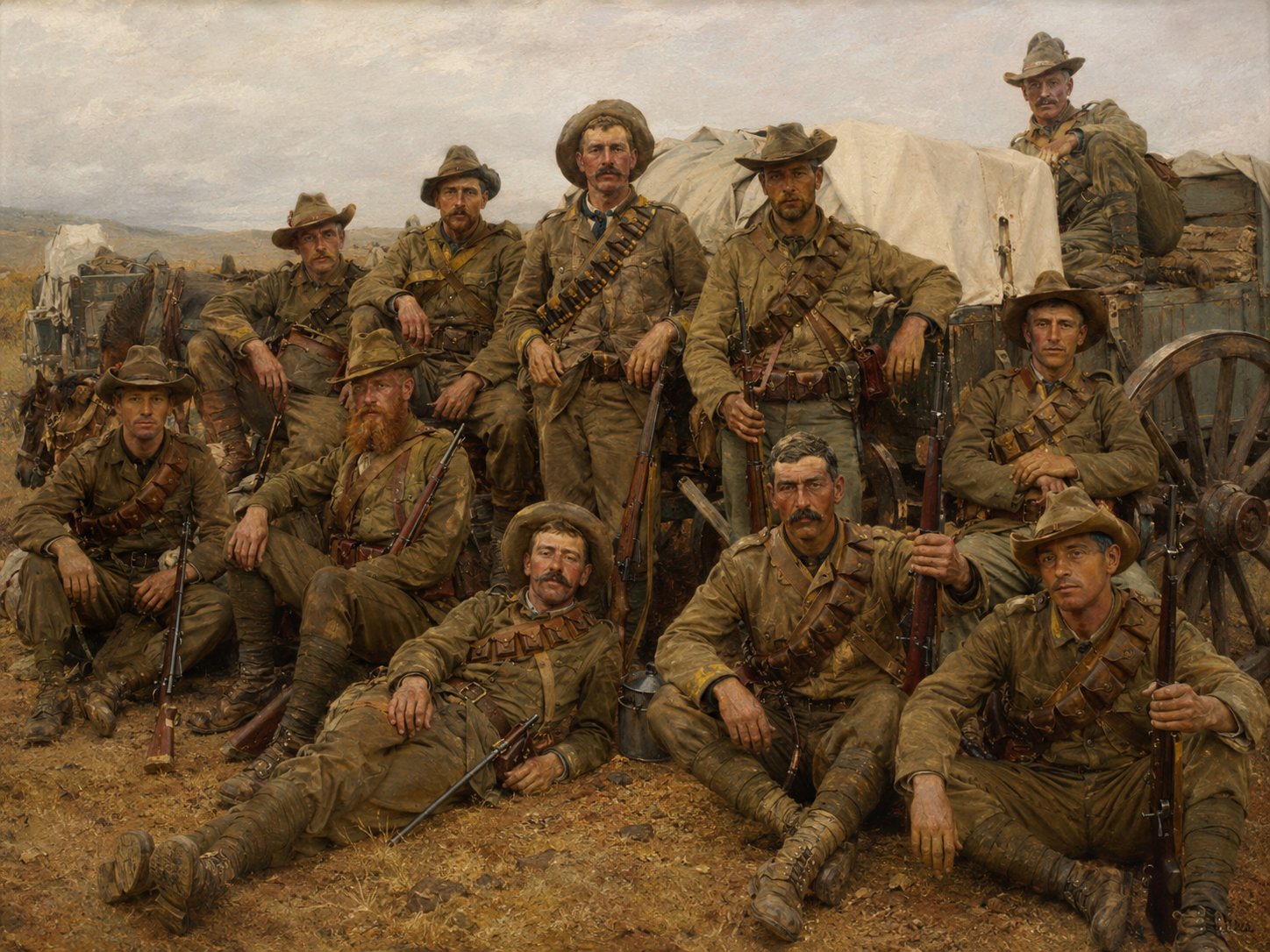
Queen Victoria has reviewed troops drawn from the Dublin garrison.
Military Review
Queen Victoria has reviewed troops drawn from the Dublin garrison and the Curragh Camp during her final visit to Ireland, placing the British Army prominently within the royal programme. The review was held in Phoenix Park, where infantry, cavalry and artillery units assembled before large crowds. Soldiers marched past the Queen in formal order while officers, mounted escorts and military bands completed the spectacle. Reports reaching Limerick describe an event intended to honour the armed forces and demonstrate their discipline. The ceremony also connected Ireland directly with the continuing war in South Africa, where Irish regiments were serving throughout the British campaign.
View Record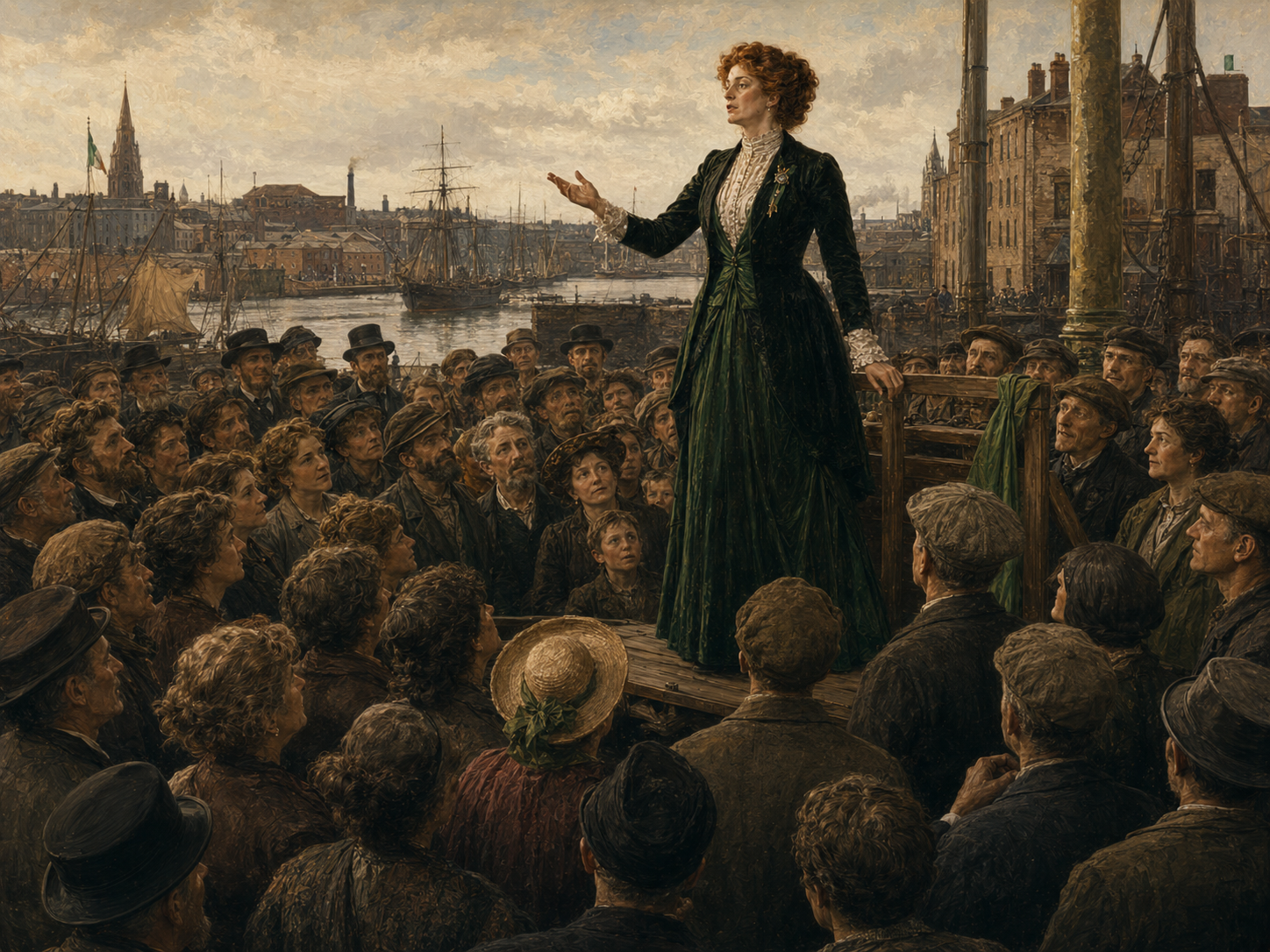
A vast children’s celebration has been held in Phoenix Park.
Children Gather
A vast children’s celebration has been held in Phoenix Park as part of Queen Victoria’s final visit to Ireland, bringing together school pupils from Dublin and numerous districts beyond the capital. Special trains, organised parties and local escorts carried children towards the park, where extensive arrangements had been made for their reception. Contemporary estimates of attendance vary, but all describe a gathering numbering many tens of thousands. News of the spectacle has reached Limerick, where families, teachers, clergy and political organisers are considering both the scale of the occasion and the use of schoolchildren within an explicitly royal ceremony.
View Record