Loyal Addresses
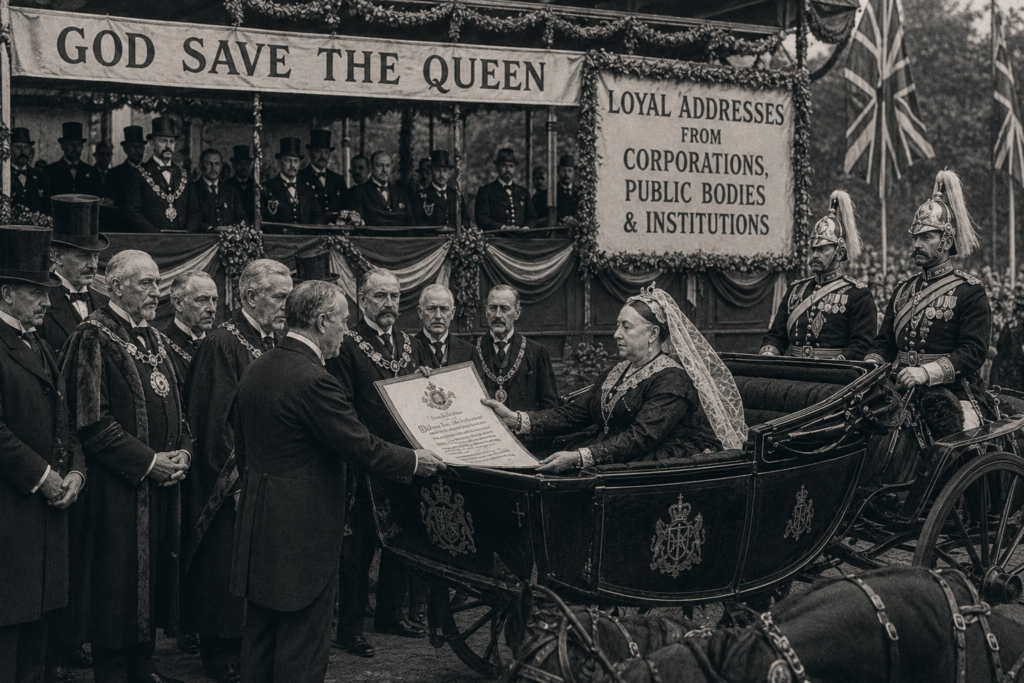
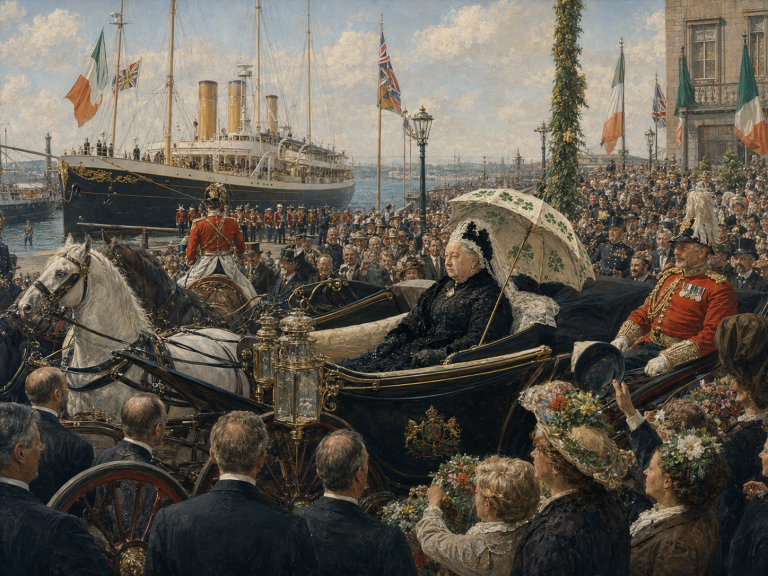
Loyal addresses have been presented to Queen Victoria by municipal representatives and public institutions during the opening ceremonies of her final visit to Ireland. At Kingstown, the chairman and councillors formally welcomed the monarch before her carriage procession departed for Dublin. The Lord Mayor, aldermen and councillors later received her at the city boundary, where the ancient keys and ceremonial sword of Dublin were produced. A written address expressing loyalty to the Crown was presented in an ornate casket. Reports of these proceedings have reached Limerick, where royal supporters regard them as proof of continuing institutional attachment to the monarchy.
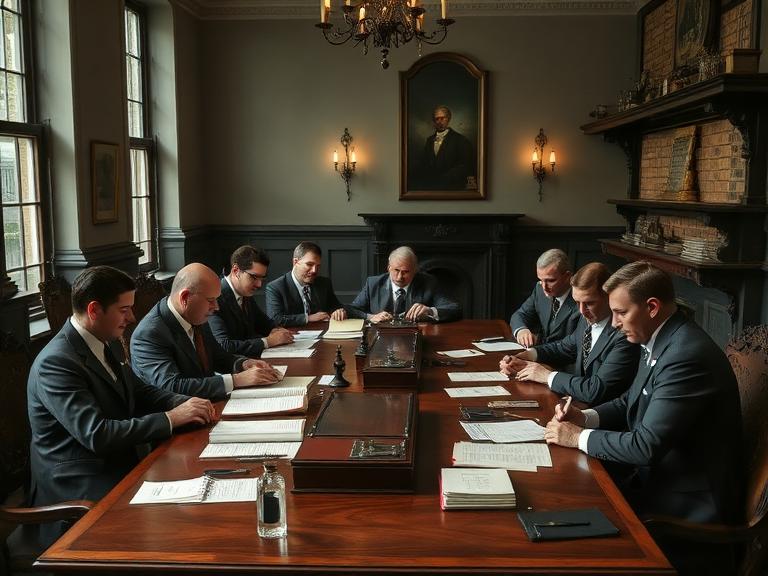
The presentation of an address was among the most carefully regulated customs surrounding a royal visit. Corporations, harbour authorities, universities, schools, hospitals, charitable bodies and professional organisations used such occasions to declare allegiance, describe their public work and request royal recognition. Their representatives normally appeared in formal dress while clerks or senior officials read prepared words before the monarch delivered a brief reply. The ceremony connected local government and civic society directly with the Crown. It also allowed participating institutions to secure public attention, demonstrate respectability and strengthen their position within the administrative order maintained through Dublin Castle and Westminster.
Dublin Corporation’s welcome possessed particular importance because the city contained strong nationalist representation as well as loyalist and commercial interests. Queen Victoria recorded that the Lord Mayor and councillors received her with the historic city keys, sword and a loyal address enclosed in a golden casket. She replied by thanking them for their welcome and expressing pleasure at returning to Ireland. The ceremony allowed municipal leaders to honour the sovereign without necessarily abandoning support for Home Rule. Constitutional nationalists could distinguish between courtesy to the monarch and acceptance of unrestricted government from Westminster, although advanced nationalists rejected that separation and condemned official participation.
Other bodies sought opportunities to present their own expressions of loyalty during the royal programme. Educational institutions, hospitals, charitable societies, military organisations and representatives of commerce could portray their activities as contributions to Irish order and public improvement under the Crown. Competition for recognition sometimes revealed divisions of religion, class and political allegiance, since invitations and access were controlled carefully. Institutions included within the ceremonies gained prestige, while those excluded or refusing participation made their absence politically meaningful. Behind the polished language of each address lay questions concerning who possessed authority to speak for Ireland and whether formal loyalty represented the convictions of members, officials or the wider population.
Limerick’s corporations, boards, schools, churches, charities and commercial associations operated within the same culture of public addresses and ceremonial loyalty. Some local representatives would welcome the opportunity to affirm connection with the monarchy and Empire, particularly where military, professional or commercial interests were involved. Others would consider such declarations incompatible with Ireland’s demand for legislative independence. The addresses presented in Dublin therefore carried a meaning extending beyond courtesy. They displayed the relationship between the Crown and Ireland’s governing institutions while exposing disagreement over whether those institutions truly represented the people. Respectful words temporarily softened political division without resolving the struggle over national authority.
Primary Sources
- Queen Victoria, journal entry for 4 April 1900, Royal Archives, Windsor Castle, recording the address presented by the chairman and councillors of Kingstown and the subsequent Dublin Corporation ceremony. Exact volume and folio should be confirmed before formal citation.
- Michael J. F. McCarthy, Five Years in Ireland, 1895–1900, London: Simpkin, Marshall, Hamilton, Kent & Co., 1901, account of Queen Victoria’s final Irish visit and the presentation of loyal addresses. Exact page should be confirmed before formal citation.
- The Irish Times, Dublin, 5 April 1900, contemporary report on the Kingstown reception, Dublin civic welcome, city keys, ceremonial sword and loyal address. Exact page and column should be confirmed before formal citation.
- Freeman’s Journal, Dublin, 5 April 1900, report and nationalist commentary concerning the civic ceremonies and official addresses presented to Queen Victoria. Exact page and column should be confirmed before formal citation.
- Dublin Corporation records, minutes and ceremonial papers relating to Queen Victoria’s reception on 4 April 1900, Dublin City Archives. Exact volume, meeting entry and archival reference should be confirmed before formal citation.