Divided Allegiance
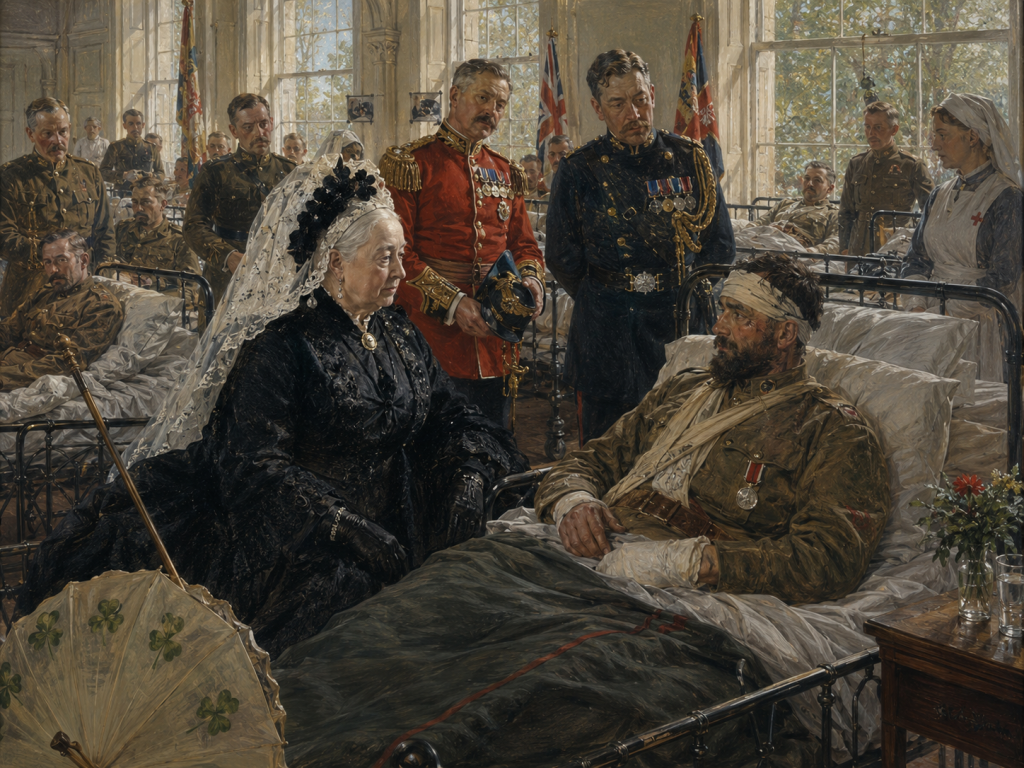
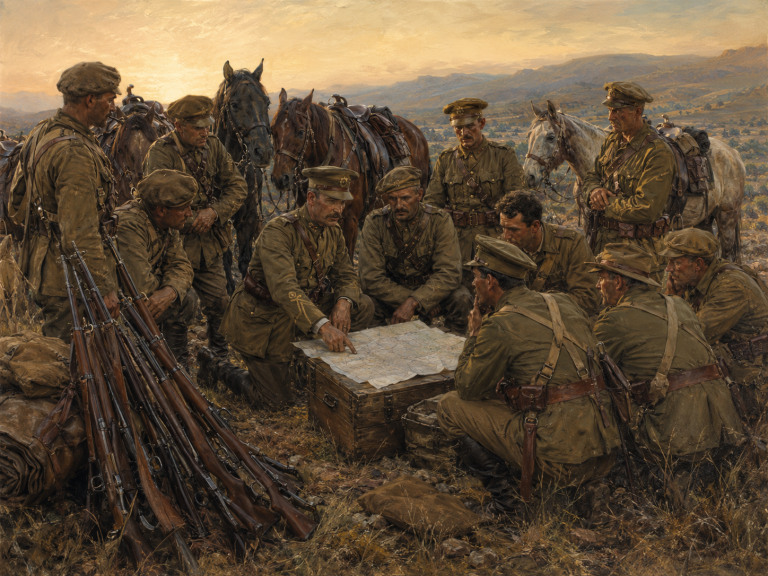
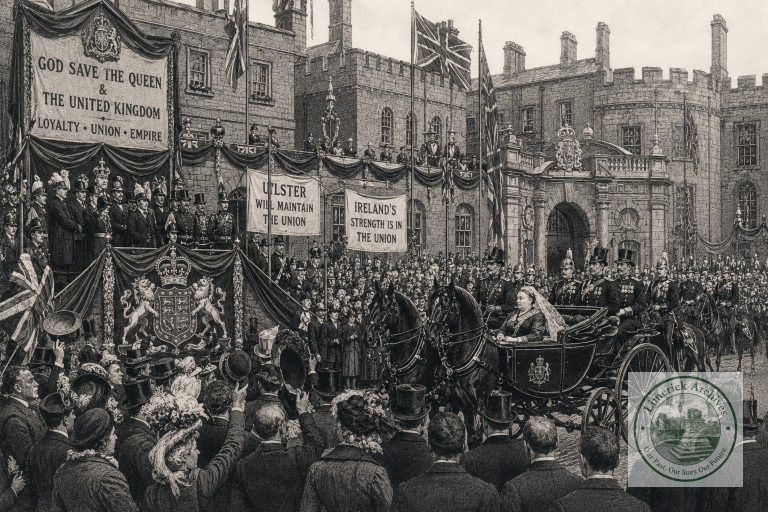
Queen Victoria’s final visit has intensified argument across Ireland over loyalty, national identity and the country’s constitutional position within the United Kingdom. Unionist organisations and public institutions have treated the royal ceremonies as evidence that attachment to the Crown remains strong, while nationalist critics insist that cheering crowds cannot settle Ireland’s demand for self-government. Limerick residents are following the dispute through newspapers, political clubs and public conversation. The same procession may appear to one observer as a dignified expression of loyalty and to another as an imperial display staged by a government lacking democratic authority in Ireland.
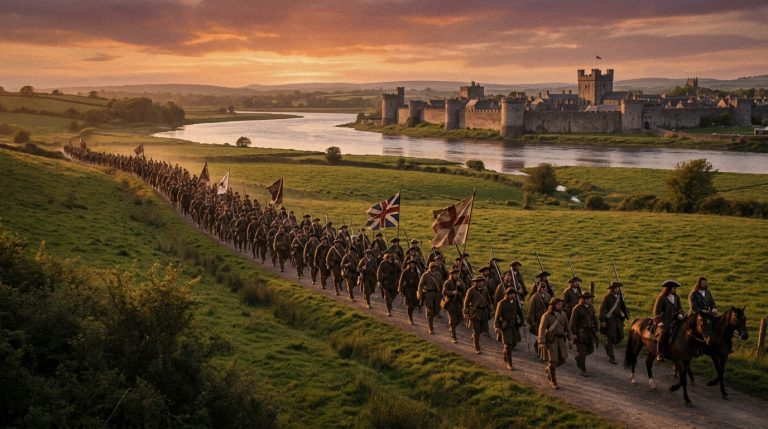
Supporters of the Union point to decorated streets, civic addresses, military reviews and the large numbers attending public events. They argue that Ireland benefits from membership of the United Kingdom through trade, defence, imperial employment and representation at Westminster. For Protestant communities, military families, merchants and officials, loyalty to the Crown may form part of religious, social and professional identity as well as political conviction. Unionist newspapers therefore reject the claim that nationalist representatives speak for the entire country. They present the Queen’s reception as proof that many Irish people remain willing participants in British public life and imperial affairs.
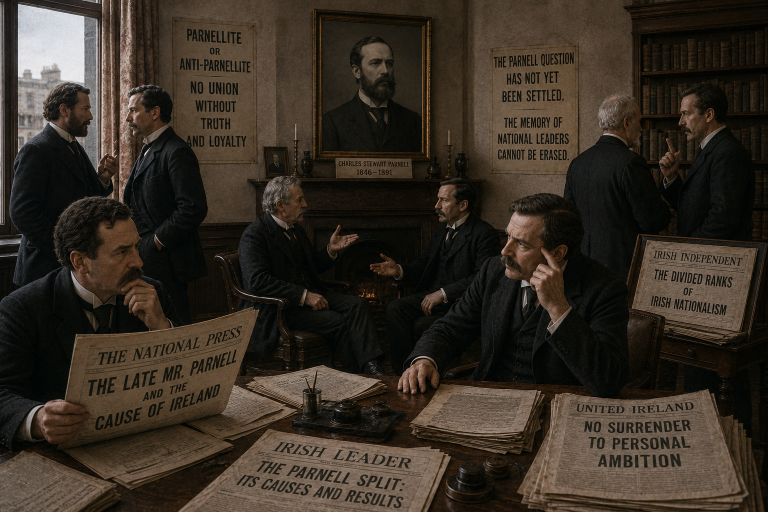
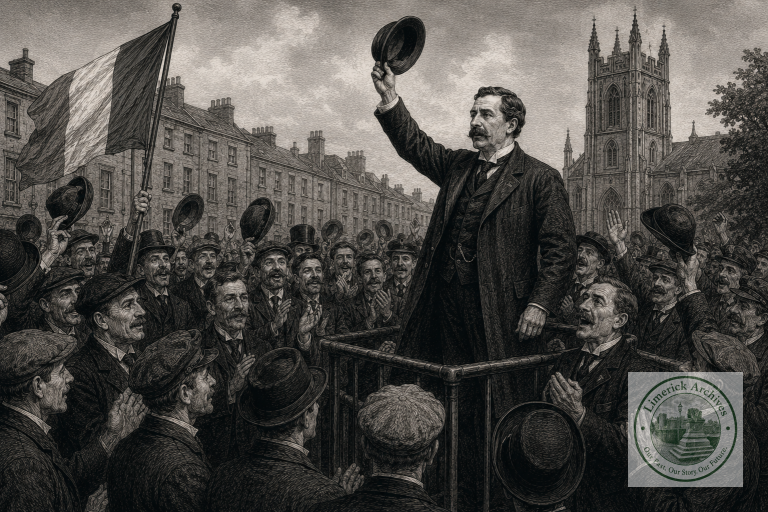
Constitutional nationalists occupy a more complicated position. Many support Home Rule and an Irish legislature while remaining prepared to offer personal courtesy to the monarch. John Redmond and his reunited parliamentary colleagues seek constitutional change through Westminster rather than separation from Britain. Their opponents accuse them of weakening the national demand whenever they accept loyal ceremonies or distinguish between the Crown and the government acting in its name. The visit has therefore exposed disagreement within nationalism itself: whether Ireland may preserve a ceremonial connection with the monarchy under self-government, or whether genuine national freedom requires the rejection of British authority altogether.
Advanced nationalists led by figures including Maud Gonne interpret the ceremonies as political propaganda. They connect the visit with the South African War, army recruitment, famine memory, eviction and continuing emigration. The establishment of Inghinidhe na hÉireann during April has given nationalist women an organised role in promoting complete independence, cultural revival and political education. Their resistance demonstrates that national identity is being contested not only in Parliament but through newspapers, schools, children’s celebrations and public ritual. Royal pageantry has become a struggle over symbols, with each side seeking to define what Ireland is and who possesses the right to speak for it.
In Limerick, these questions reach beyond abstract constitutional theory. The Union is encountered through barracks, courts, constabulary stations, government offices and commercial connections, while nationalism is expressed through elections, land agitation, political societies and memories carried within families. Individuals may combine identities that political speeches present as incompatible: an Irish nationalist may respect the Queen, an Irish soldier may support Home Rule, and a loyal subject may still demand reform. Victoria’s visit has not resolved Ireland’s position. Instead, it has made visible the overlapping loyalties and deep disagreements that will continue shaping political life after the decorations have been removed.
Primary Sources
- Queen Victoria, journal entries concerning her final Irish visit, 4–26 April 1900, Royal Archives, Windsor Castle. Exact volume and folio should be confirmed before formal citation.
- Freeman’s Journal, Dublin, April 1900, nationalist reporting and editorial commentary on the royal visit, Home Rule, civic participation and competing claims of loyalty. Exact issue, page and column should be confirmed before formal citation.
- The Irish Times, Dublin, April 1900, contemporary reports and editorials concerning royal ceremonies, unionist opinion and Ireland’s constitutional relationship with the United Kingdom. Exact issue, page and column should be confirmed before formal citation.
- Senia Pašeta, “Nationalist Responses to Two Royal Visits to Ireland, 1900 and 1903,” Irish Historical Studies, vol. 31, no. 124, 1999, pp. 488–504.
- James H. Murphy, Abject Loyalty: Nationalism and Monarchy in Ireland During the Reign of Queen Victoria, Washington, D.C.: Catholic University of America Press, 2001.