Nationalist Resistance
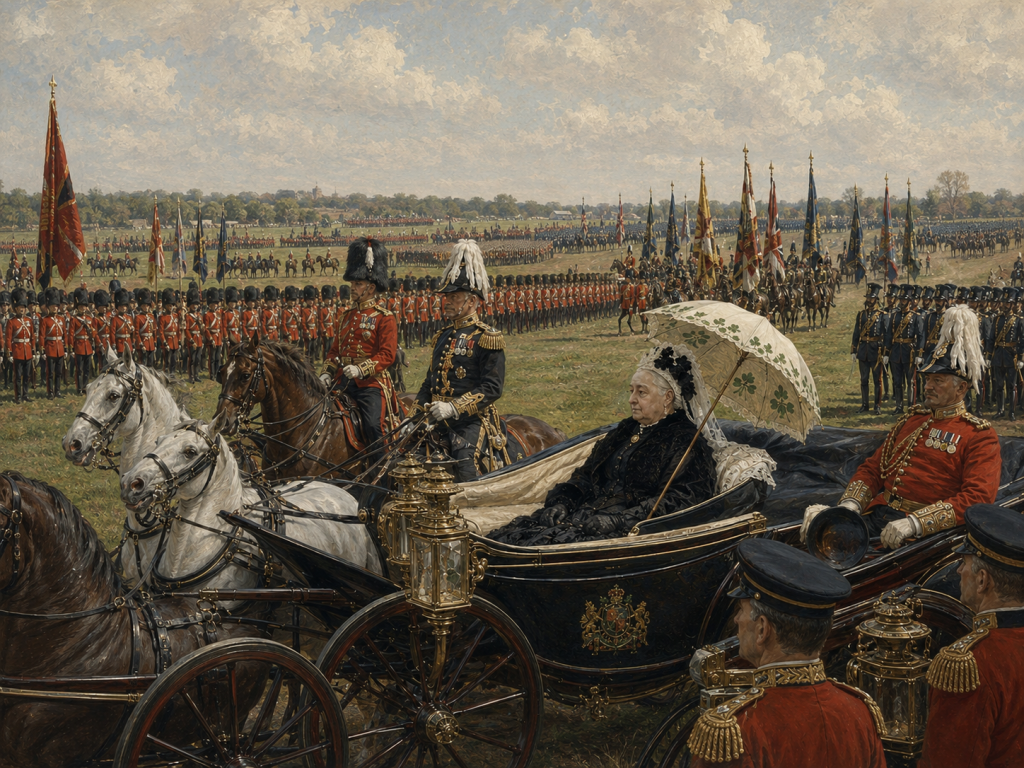
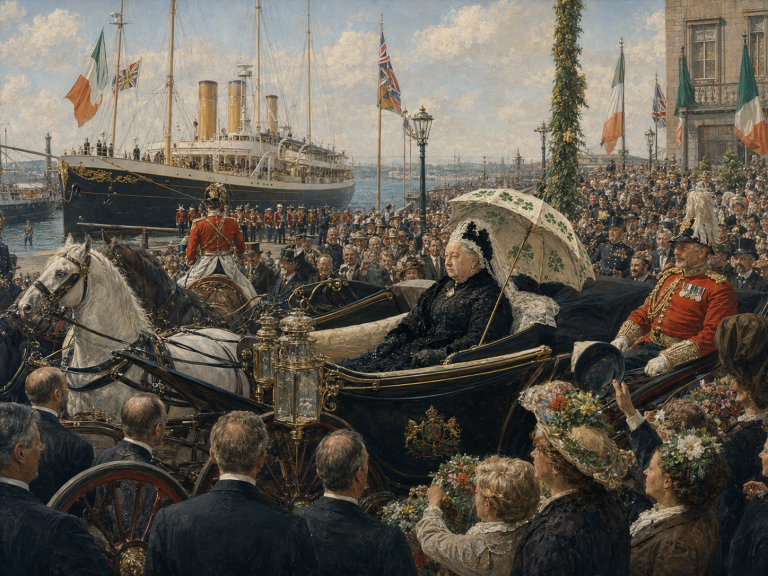
Nationalist-controlled authorities and public representatives in several districts have resisted demands that they participate fully in the loyal ceremonies surrounding Queen Victoria’s visit to Ireland. Motions, public meetings and newspaper statements have challenged the claim that municipal addresses and official receptions represent the settled opinion of the Irish people. Some nationalist councillors refused to associate themselves with declarations of allegiance, while others attended civic proceedings only after arguing that formal courtesy towards the monarch did not amount to approval of British government. The disputes have reached Limerick, where public bodies must balance local political convictions against established ceremonial expectations.
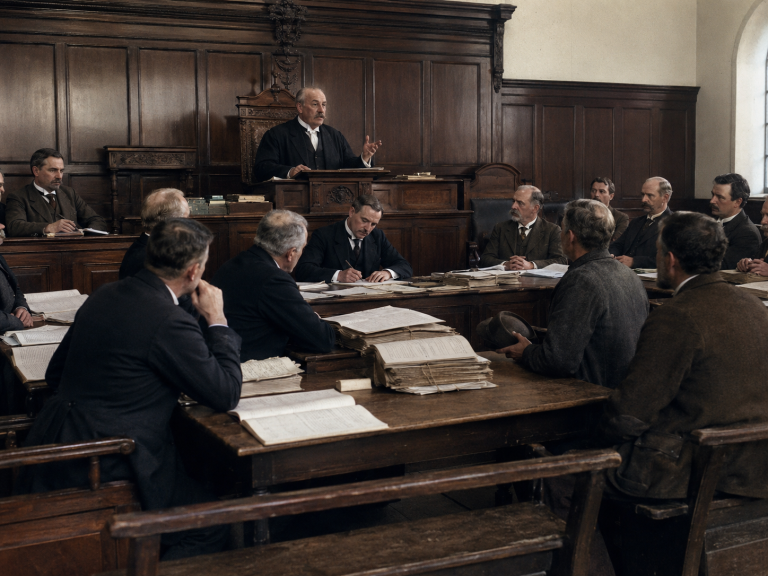
Dublin Corporation ultimately presented a loyal address, but the decision exposed serious division among nationalist representatives. Opponents condemned the action as inconsistent with the demand for Irish legislative independence and accused participating councillors of lending national authority to an imperial demonstration. Supporters answered that a municipal welcome could be offered to the Queen without surrendering support for Home Rule. The disagreement revealed the complicated position of constitutional nationalists, many of whom distinguished between personal respect for the monarch and opposition to government from Westminster. Advanced nationalists rejected that distinction and regarded every public address as an endorsement of the Union.
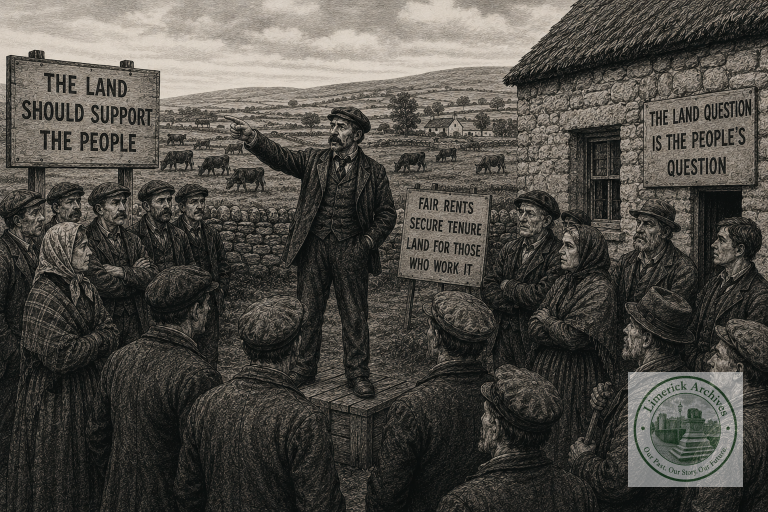
Resistance also appeared through absence, delayed decisions and refusals to decorate public property or finance celebrations from local rates. Nationalist-controlled bodies faced pressure from loyalist residents, commercial interests and government officials who expected visible participation. Yet councillors were equally answerable to electors who remembered the Great Famine, eviction, coercion and the repeated failure to establish an Irish legislature. A refusal to join the ceremonies could therefore express political principle, concern over public expenditure or fear of appearing submissive before nationalist voters. Even where an authority participated, dissenting members could publicly repudiate its decision and deny that the resulting address spoke for their district.
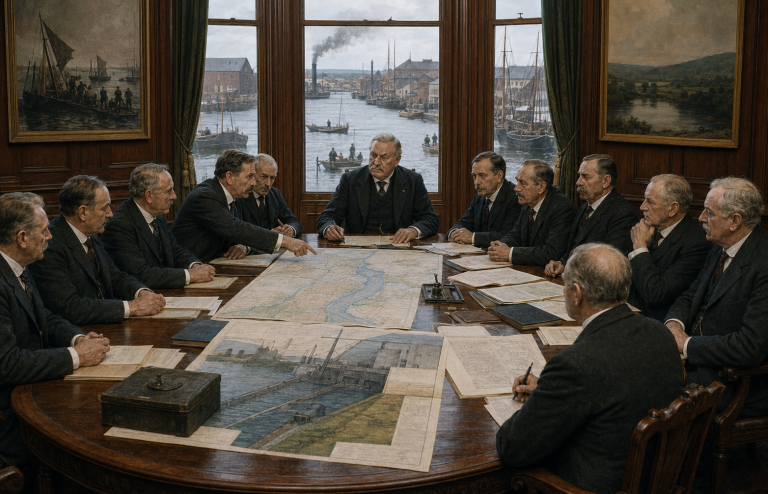
The controversy demonstrated that local government had become an important arena of national politics. County councils and district councils created under recent legislation gave elected representatives greater influence over roads, public health, housing and local administration. Nationalists viewed these bodies as evidence that Irish people were capable of governing their own affairs, while unionists feared that nationalist majorities would use them to weaken allegiance to the Crown. Decisions concerning the royal visit consequently carried significance beyond decoration and ceremony. Every address, refusal, amendment or abstention became part of the wider argument over whether Ireland remained willingly incorporated within the United Kingdom.
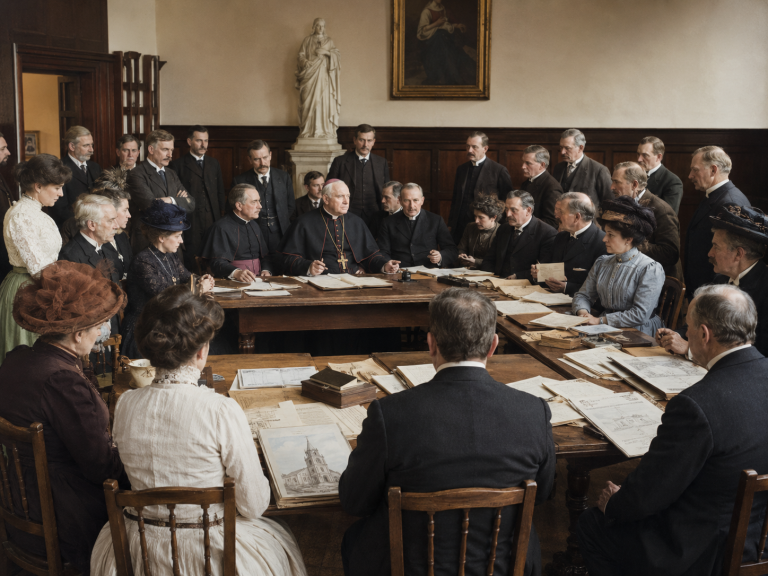
In Limerick city and county, similar tensions existed among councillors, Poor Law guardians, clergy, merchants and political organisations. Loyalists expected public institutions to honour the sovereign, while nationalists questioned whether bodies elected by Irish voters should affirm a political settlement those voters repeatedly sought to change. Moderates attempted to separate civic hospitality from constitutional submission, but more militant voices regarded that compromise as impossible. The royal visit has therefore revealed not only loyalty and popular curiosity but organised resistance within Irish public life. Official ceremony may present an image of unity, yet the debates within elected authorities show that allegiance to the Crown remains contested.
Primary Sources
- Freeman’s Journal, Dublin, March–April 1900, reports and editorials concerning nationalist opposition to loyal addresses, municipal participation and Queen Victoria’s visit. Exact issue, page and column should be confirmed before formal citation.
- United Irishman, Dublin, March–April 1900, nationalist commentary and reports of meetings opposing the royal visit and official declarations of loyalty. Exact issue, page and column should be confirmed before formal citation.
- Dublin Corporation, council minutes and ceremonial papers concerning the decision to present Queen Victoria with a loyal address on 4 April 1900, Dublin City Archives. Exact volume, meeting date and archival reference should be confirmed before formal citation.
- Senia Pašeta, “Nationalist Responses to Two Royal Visits to Ireland, 1900 and 1903,” Irish Historical Studies, vol. 31, no. 124, 1999, pp. 488–504.
- James H. Murphy, Abject Loyalty: Nationalism and Monarchy in Ireland During the Reign of Queen Victoria, Washington, D.C.: Catholic University of America Press, 2001; consult the chapters concerning Victoria’s final Irish visit and disputes over loyal addresses.