Pageantry Challenged
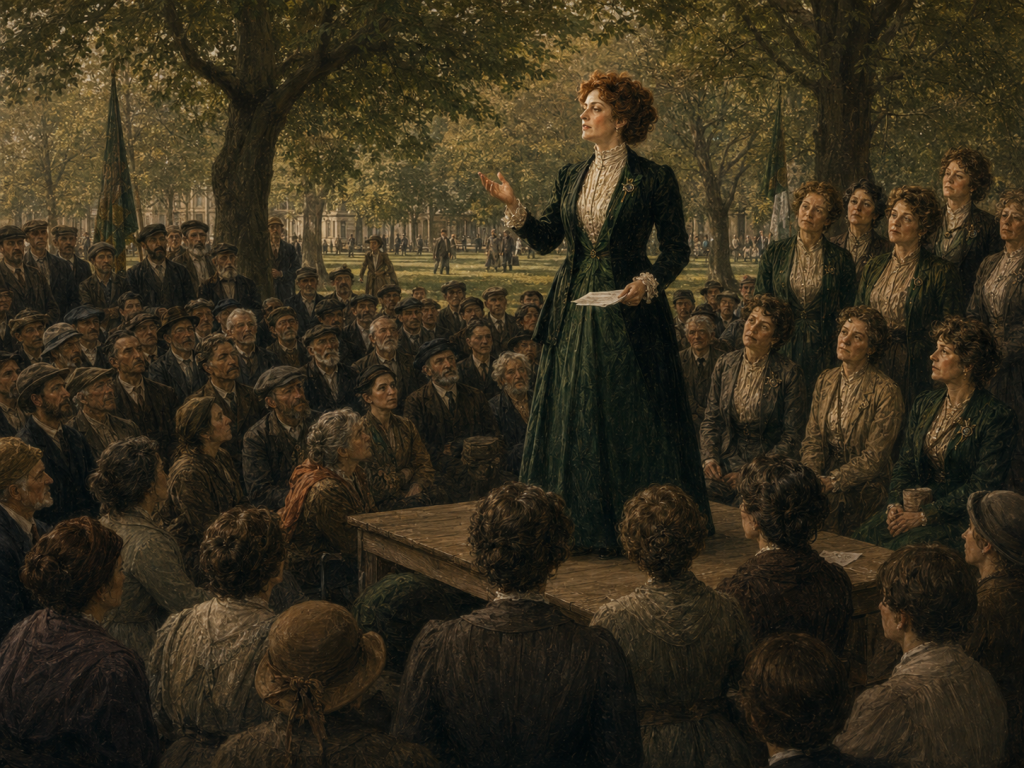
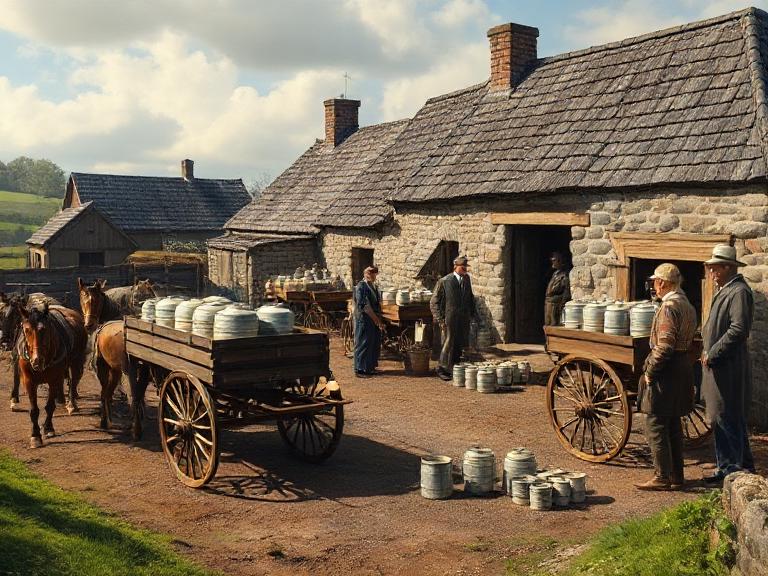
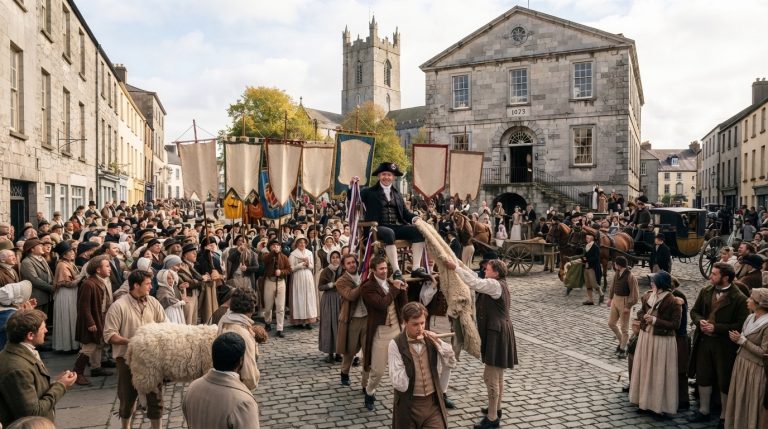
Nationalist newspapers have criticised Queen Victoria’s visit as an elaborate imperial spectacle staged while poverty, overcrowding and emigration continue to shape Irish life. Their editorials argue that decorated streets, military escorts and loyal addresses cannot conceal the economic hardship experienced in towns, rural districts and labouring households. Reports of cheering crowds are being answered with reminders of families divided by migration, tenants struggling upon poor land and workers surviving upon uncertain wages. In Limerick, where poverty and departure remain familiar realities, such criticism will find readers unwilling to accept royal ceremony as evidence that Ireland is prosperous, contented or politically satisfied.
Advanced-nationalist writers have presented the visit as an attempt to strengthen loyalty during the South African War and revive support for British imperial authority. Maud Gonne’s polemical attack upon the Queen connected the royal celebrations with memories of the Great Famine, eviction and the continuing departure of Irish people overseas. The argument was deliberately severe: a monarch surrounded by wealth and ceremony was contrasted with communities diminished by hunger, insecure employment and lost population. Supporters of the visit dismissed such language as inflammatory, yet the controversy ensured that famine memory became inseparable from public discussion of Victoria’s final appearance in Ireland.
Moderate nationalist newspapers adopted a more cautious position but still questioned extravagant displays of allegiance. They could distinguish personal courtesy towards an elderly sovereign from approval of government through Westminster, while warning that official addresses did not settle Ireland’s demand for Home Rule. Their criticism focused upon the claim that crowds and decorations represented unanimous loyalty. Thousands may have attended from curiosity, holiday excitement or interest in military spectacle rather than political conviction. Nationalist editors therefore urged readers to look beyond the procession and consider the daily conditions experienced in tenements, labourers’ cottages, congested rural districts and emigrant households throughout the country.
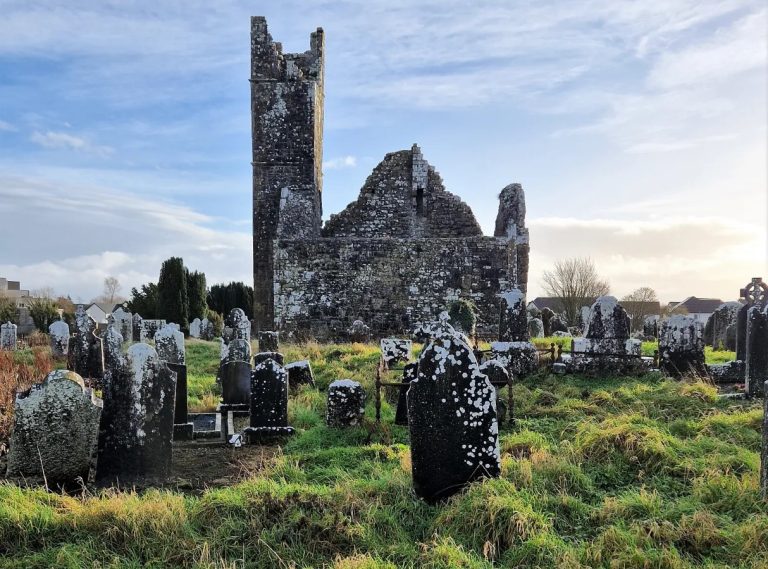
Emigration gave the criticism particular force. Every departing ship and railway journey carried young men and women away from Irish families, reducing rural populations and leaving parents dependent upon money sent from Britain, America and other destinations. Limerick city and county knew this pattern intimately, as limited employment and uncertain agricultural prospects encouraged repeated departure. Nationalist commentators argued that a government celebrating imperial unity had failed to create conditions in which Ireland’s people could remain at home. Royal pageantry might fill Dublin’s streets for several weeks, but it could not replace absent children, restore declining communities or provide secure work for those considering departure.
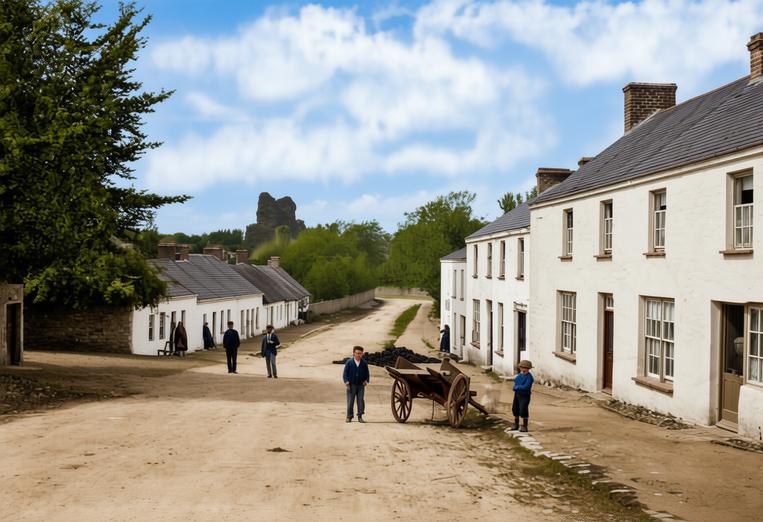
The newspaper dispute revealed two sharply different interpretations of the same visit. Unionist publications portrayed the crowds, ceremonies and institutional addresses as evidence of affection for the Crown and Ireland’s place within the United Kingdom. Nationalist journals saw an administration arranging magnificence around unresolved poverty and political subordination. Neither decoration nor protest alone could express the full range of Irish opinion, but the criticism prevented the royal programme from passing as uncomplicated celebration. For Limerick readers, the argument returned attention from Dublin’s ceremonial avenues to ordinary households, where rent, wages, food, emigration and family separation carried more immediate authority than imperial display.
Primary Sources
- Maud Gonne, “The Famine Queen,” published in connection with Queen Victoria’s April 1900 visit and circulated through advanced-nationalist journalism; consult the surviving contemporary text and publication history. Exact issue, page and column should be confirmed before formal citation.
- United Irishman, Dublin, March–April 1900, editorials and reports opposing Queen Victoria’s visit and criticising imperial ceremony, recruitment and British government. Exact issue, page and column should be confirmed before formal citation.
- Freeman’s Journal, Dublin, April 1900, nationalist reporting and editorial commentary concerning the royal visit, Home Rule, public loyalty and Irish social conditions. Exact issue, page and column should be confirmed before formal citation.
- Senia Pašeta, “Nationalist Responses to Two Royal Visits to Ireland, 1900 and 1903,” Irish Historical Studies, vol. 31, no. 124, 1999, pp. 488–504.
- James H. Murphy, Abject Loyalty: Nationalism and Monarchy in Ireland During the Reign of Queen Victoria, Washington, D.C.: Catholic University of America Press, 2001; consult the discussion of the 1900 visit, nationalist journalism and competing public interpretations.