
Headlines Divided(c.1900s)
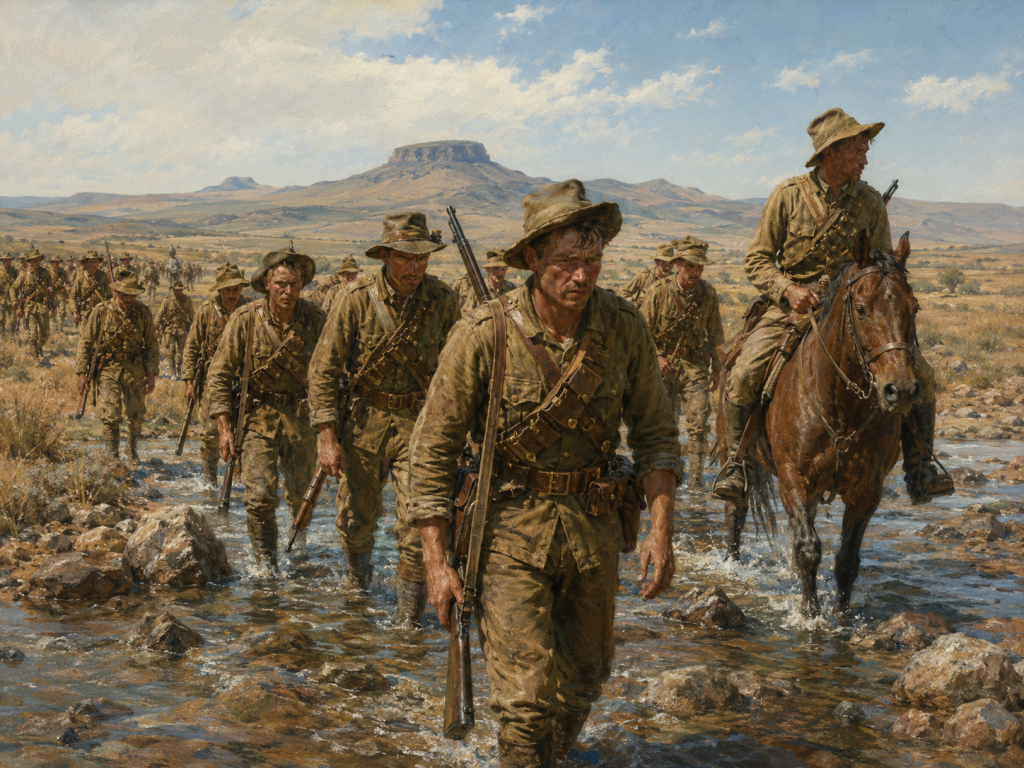
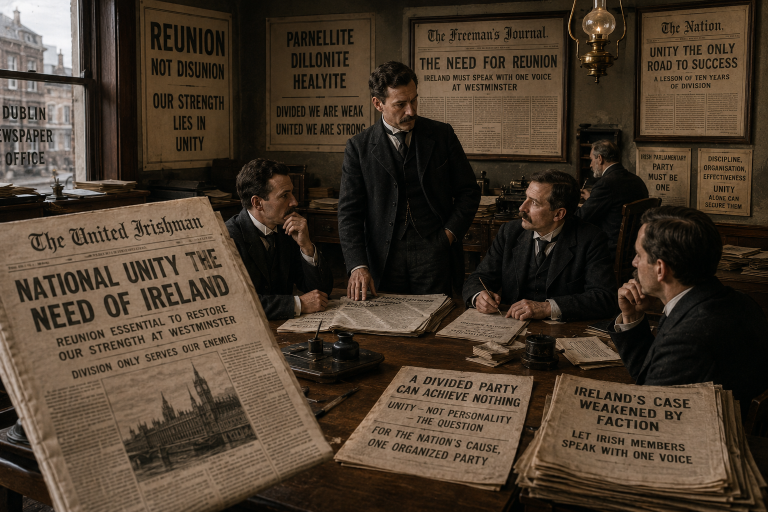
Dublin newspapers published extensive political and military coverage on 25 January 1900, placing Ireland’s internal nationalist divisions beside the continuing conflict in South Africa. Reports on the recent Mansion House conference examined attempts to reunite the parliamentary factions separated since the fall of Charles Stewart Parnell. In adjoining columns, readers encountered military dispatches, troop movements and casualty information from a war involving thousands of Irish soldiers. The combination revealed the conflicting pressures shaping Irish public life: demands for national political unity existed alongside intense concern for men serving throughout the British Army and widespread nationalist sympathy for Britain’s Boer opponents.
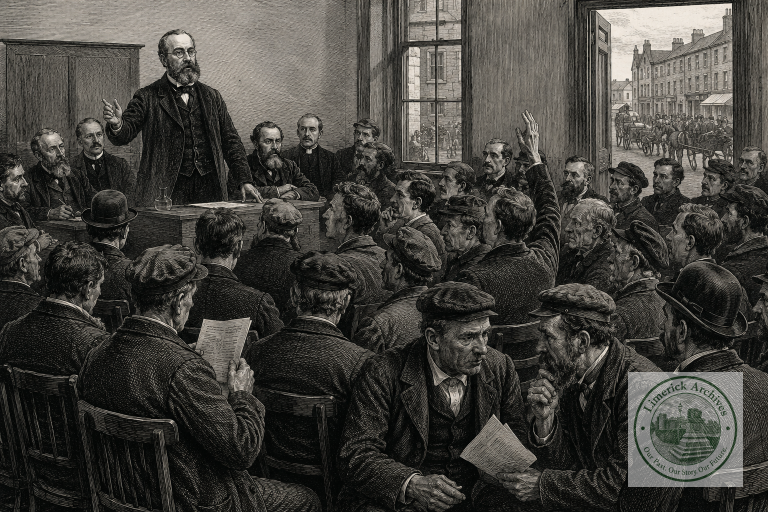
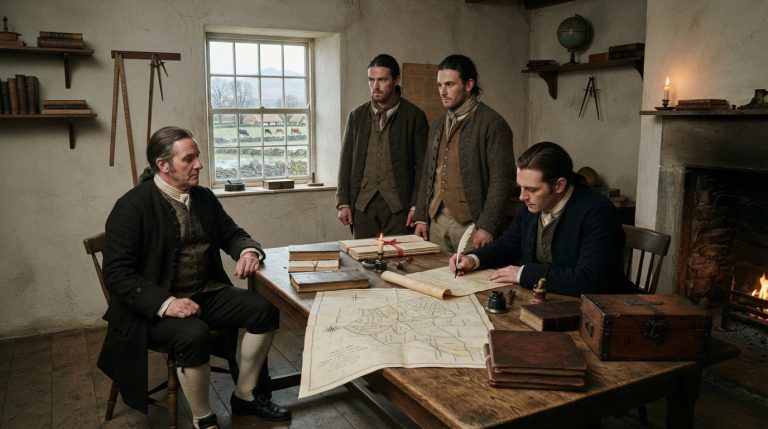
Coverage of nationalist reunion followed the meeting held at Dublin’s Mansion House on 17 January. Newspapers assessed whether the Parnellite, anti-Parnellite and Healyite groupings could overcome years of hostility and reconstruct an effective Irish Parliamentary Party. The United Irish League’s growing influence gave the negotiations additional urgency, since local branches and tenant activists were demanding that parliamentary leaders abandon factional quarrels. Editorial interpretation differed according to political allegiance, but the scale of attention demonstrated that reunion had become one of Ireland’s central public questions. Readers were encouraged to judge whether reconciliation represented genuine renewal, temporary convenience or another unstable arrangement among competing leaders.
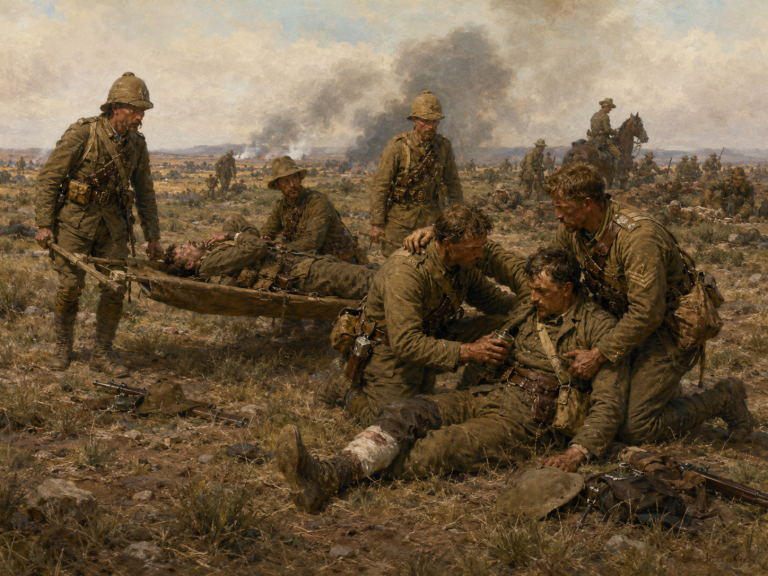
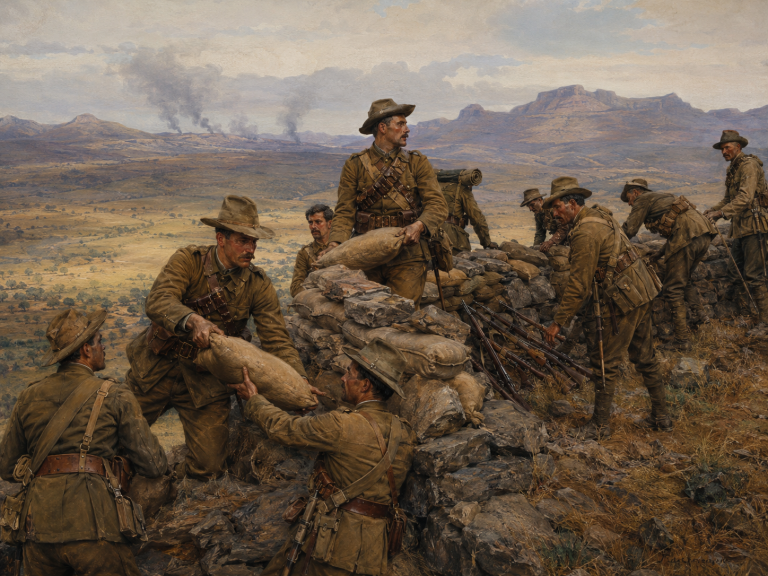
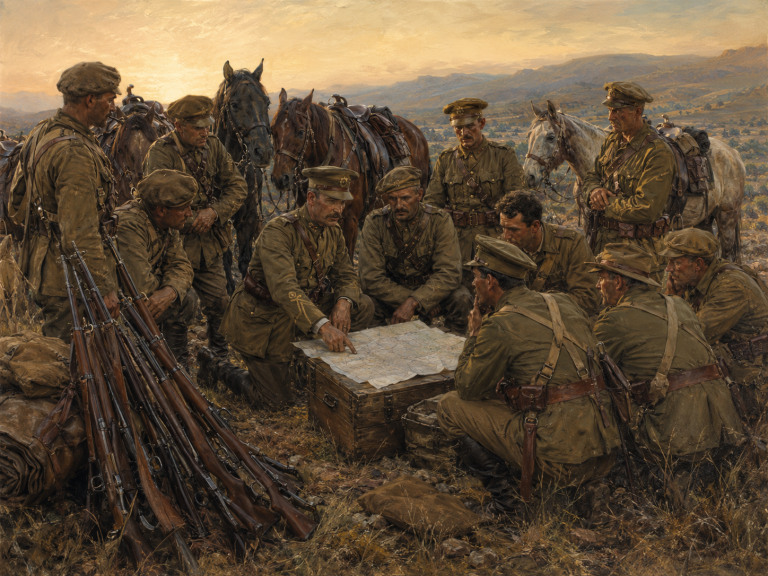
South African War reporting carried a different emotional weight. Military telegrams and correspondence supplied updates concerning British operations, reinforcements and losses after the severe reverses of December 1899. Irish regiments were deeply involved in the campaign, making casualty lists matters of immediate personal concern. A surname, regimental number or brief notice could bring distant warfare into an Irish household without warning. Newspapers often mixed praise for Irish courage with criticism of military leadership or imperial policy. Nationalist readers could oppose the war while anxiously searching the same columns for information about relatives, neighbours and former schoolmates serving under the British flag.
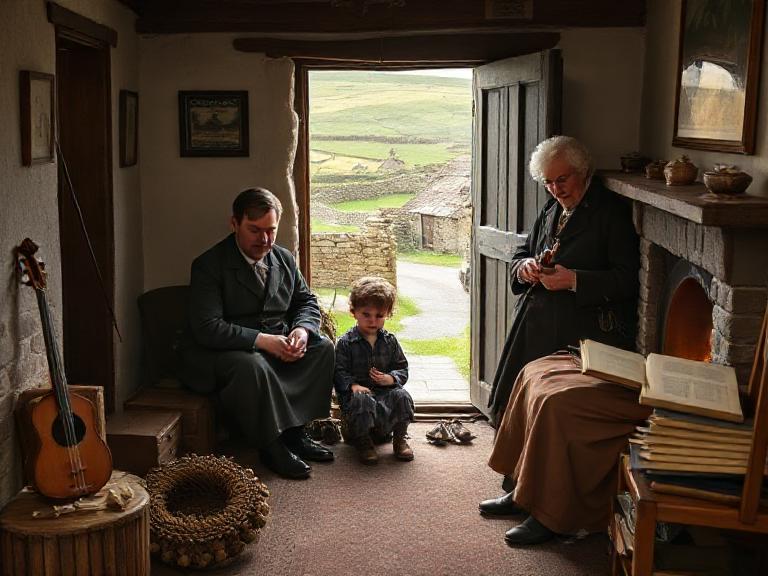
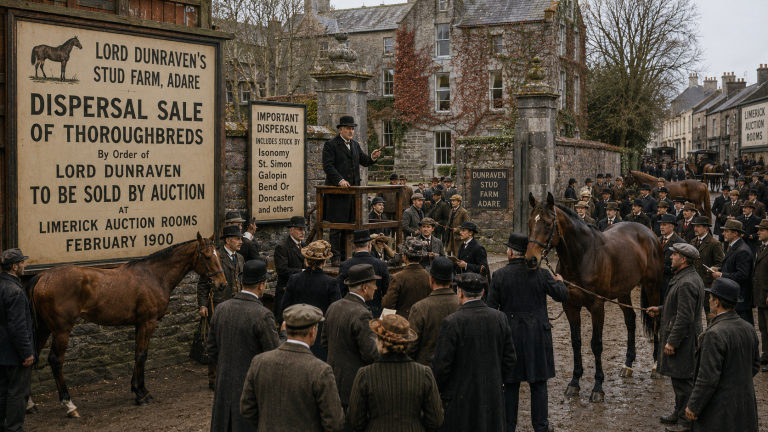
Copies of Dublin newspapers and summaries of their reports reached Limerick through established rail, postal and commercial networks. Local readers encountered the same uneasy combination of nationalist politics and imperial warfare. Limerick city and county had strong traditions of military enlistment, particularly through the Royal Munster Fusiliers, while the United Irish League and constitutional nationalism also commanded considerable local attention. Newsagents, reading rooms, public houses and family kitchens became places where casualty reports and reunion negotiations were discussed together. The day’s newspapers reflected a Limerick reality in which opposition to British government could coexist with concern for local soldiers and their dependants.
The reporting demonstrated the power of newspapers to join events separated by thousands of miles. Parliamentary discussions in Dublin, battles in South Africa and private anxiety within Irish homes became part of the same daily reading experience. Yet newspapers did more than transmit information. Their selection of headlines, editorials and military language influenced how readers interpreted both nationalist reconciliation and the war. On 25 January, the press presented Ireland as a society negotiating several loyalties at once: loyalty to political factions, sympathy with the Boer republics, attachment to serving soldiers and hope that parliamentary unity might restore influence at Westminster.
Primary Sources
- Freeman’s Journal, Thursday, 25 January 1900, Dublin edition, reports and commentary concerning nationalist reunion, the South African War and military affairs.
- Dublin Evening Telegraph, Thursday, 25 January 1900, reports concerning Irish politics, war developments and British military operations in South Africa.
- British Newspaper Archive, Dublin newspaper holdings for 25 January 1900, including the Freeman’s Journal and Dublin Evening Telegraph.
- Luke Diver, Ireland and the South African War, 1899–1902, doctoral thesis, Maynooth University, 2014, discussion of Irish newspaper responses, nationalist opinion and Irish soldiers’ experiences.
- Philip Bull, “The United Irish League and the Reunion of the Irish Parliamentary Party, 1898–1900,” Irish Historical Studies, volume 26, number 101, May 1988, pages 51–78.