Discipline Debated(c.1890s)
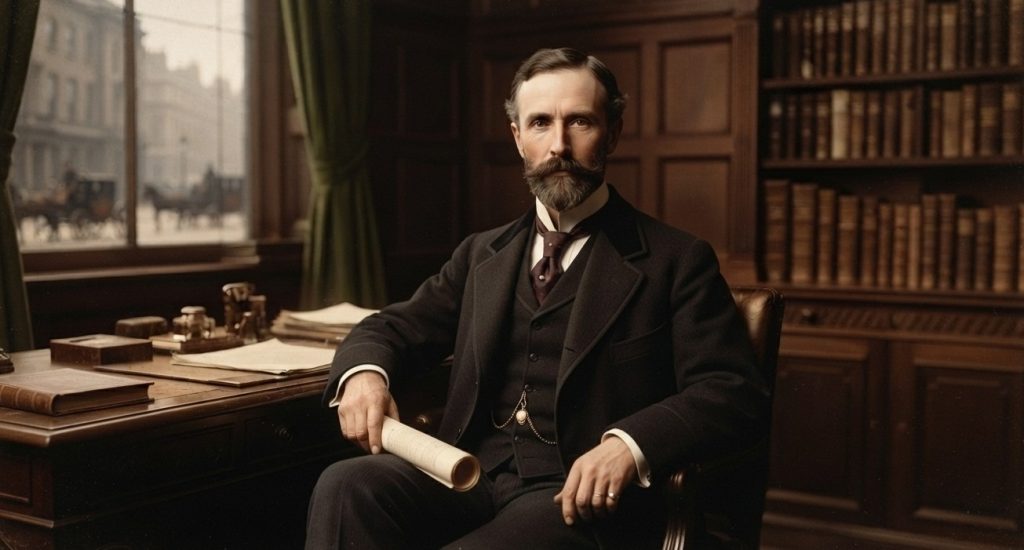
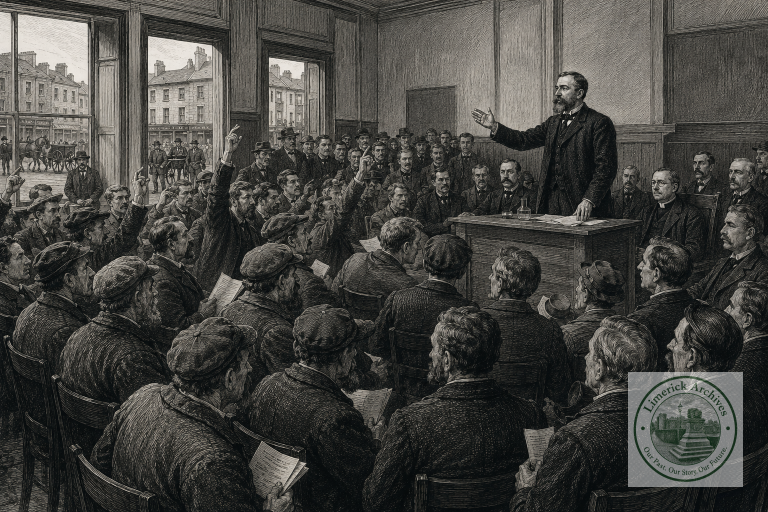
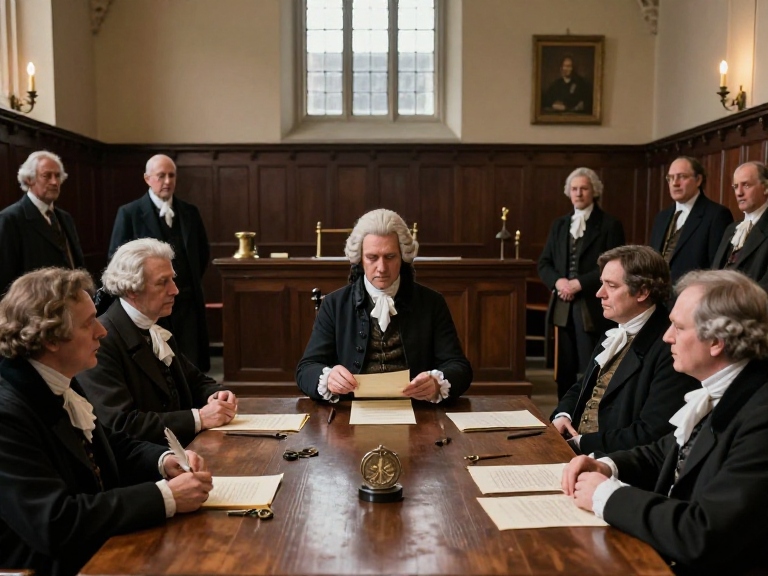
John Dillon’s supporters debated the conditions under which parliamentary discipline could be restored as negotiations advanced towards reunion among Ireland’s constitutional nationalists. Dillon led the Irish National Federation, the larger anti-Parnellite organisation created after the Irish Parliamentary Party divided over Charles Stewart Parnell’s leadership in 1890. Nearly a decade of separate committees, competing election funds and bitter personal rivalries had left nationalist MPs unable to reproduce the cohesion once associated with Parnell. Dillon’s followers wanted unity, but many were reluctant to accept an agreement that might weaken their majority or revive the authority of former Parnellites without firm organisational safeguards.
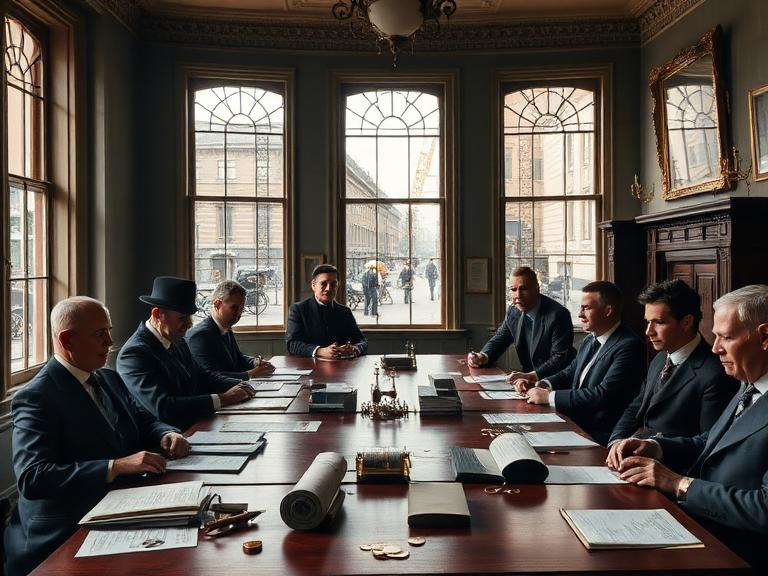
The central questions extended beyond the selection of a chairman. The anti-Parnellites had to consider whether reunited MPs would accept a common pledge, obey collective decisions, support agreed candidates and submit disputes to a recognised party authority. Control of parliamentary funds and constituency organisation also carried considerable importance, since money and local endorsement could determine whether an established member survived an election challenge. Dillon’s supporters therefore sought a union capable of enforcing loyalty at Westminster while preventing individual MPs or rival groups from acting independently. Without such terms, reunion risked becoming a ceremonial settlement that concealed rather than ended the old division.
William O’Brien’s expanding United Irish League added urgency to the discussion. Its branches demanded an end to factional warfare and attempted to impose unity upon parliamentarians from outside Westminster and below the established leadership. Dillon’s followers recognised that continued division might allow the League to select new candidates, redirect nationalist funds and displace sitting MPs who appeared unwilling to cooperate. Yet accepting the League’s influence also raised questions about whether parliamentary policy would be determined by elected members or by an increasingly powerful national organisation. The debate consequently joined the restoration of discipline to a larger struggle over who possessed the authority to speak for nationalist Ireland.
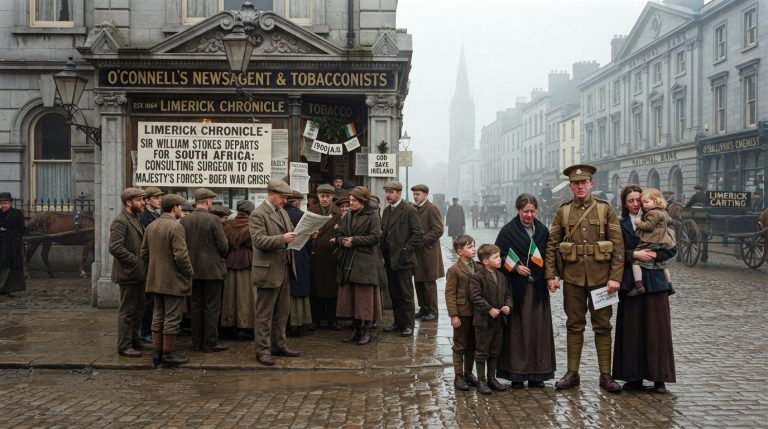
These arguments carried practical significance in Limerick, where local government had been transformed during 1899. The creation of Limerick County Council, the democratisation of the city authority and the establishment of rural district councils greatly expanded elected participation beyond the narrow system previously dominated by property and appointment. No surviving evidence establishes that Limerick representatives determined the terms of Dillon’s internal debate, but the new political environment strengthened local expectations of accountable national leadership. Electors concerned with land, roads, housing, public health and Home Rule required MPs capable of acting collectively rather than repeating the damaging rivalries of the previous decade.
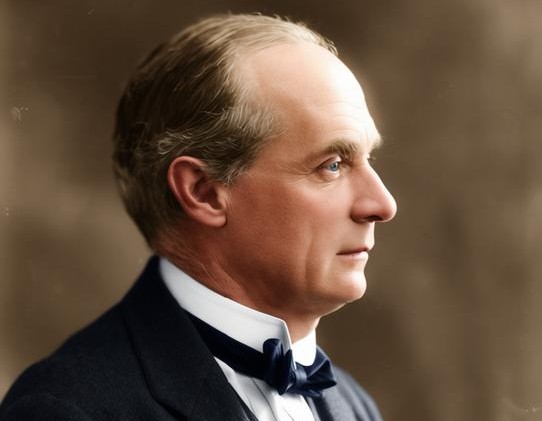
The negotiations eventually produced reunion in Committee Room 15 at Westminster on 30 January 1900, the same room associated with the original party rupture. John Redmond was chosen to chair the reunited parliamentary movement, while Dillon accepted service beneath a former Parnellite and became the most influential representative of the anti-Parnellite majority. The settlement restored a common party structure, but it did not give Redmond the personal command once exercised by Parnell. He remained obliged to consult powerful colleagues and accommodate the United Irish League. Parliamentary discipline returned through compromise, leaving unresolved tensions over leadership, local organisation and control of nationalist policy.
Primary Sources
- Papers of John Dillon, MP, Trinity College Dublin Manuscripts, IE TCD MSS 6455–6909.
- Philip Bull, “The United Irish League and the Reunion of the Irish Parliamentary Party, 1898–1900,” Irish Historical Studies, vol. 26, no. 101, May 1988, pp. 51–78.
- F. S. L. Lyons, John Dillon: A Biography, London: Routledge and Kegan Paul, 1968.
- F. S. L. Lyons, The Irish Parliamentary Party, 1890–1910, London: Faber and Faber, 1951.
- Michael Laffan, “Redmond, John Edward,” Dictionary of Irish Biography, Royal Irish Academy.
- William O’Brien, An Olive Branch in Ireland and Its History, London: Macmillan, 1910.
- The Times, 31 January 1900.
- Martin Walsh, Limerick Local Government 1899–1942: An Online Exhibition Commemorating the 125th Anniversary of the Local Elections, 1899, Limerick Museum and Limerick Library Service, 2024.