
Archived: 17 September 2026
Abstract
31,356 BCE is not a recorded year but falls within MIS 3 during the Last Glacial Period. At Derryvree, County Fermanagh, inter-till freshwater sediments radiocarbon dated broadly to 36,900–31,700 calendar years before present preserve evidence of treeless, cold, wet tundra, pools and herb-rich vegetation during an ice-free interval. Southern caves, especially Castlepook, indicate a diverse cold-stage fauna including mammoth, reindeer, giant deer, predators and lemmings, although dates and occupations varied. A possibly cut-marked reindeer bone suggests transient Upper Palaeolithic human activity, not settlement. Lower sea levels and fluctuating ice created shifting access and habitats, leaving Ireland environmentally dynamic but elusive.
Read Article
Archived: 17 September 2026
Abstract
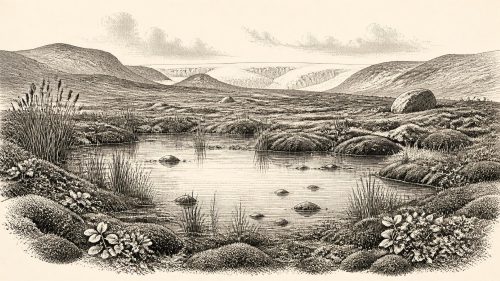
31,357 BCE is an imprecise label for a Late Pleistocene interval, not a date for a recoverable Irish event. At Derryvree, County Fermanagh, organic freshwater silts between two glacial tills document an ice-free phase during MIS 3. Radiocarbon evidence broadly places them between 36,900 and 31,700 calibrated years BP. Mosses, sedges, bogbean and cold-adapted insects indicate a wet, treeless tundra-like wetland, while conditions elsewhere remained uncertain amid shifting ice and sea levels. Castlepook Cave’s reindeer femur may bear a butchery cut, suggesting possible human presence, but cannot prove settlement. No evidence supports Irish polity, society, economy, ritual or sustained occupation.
Read Article
Archived: 17 September 2026
Abstract
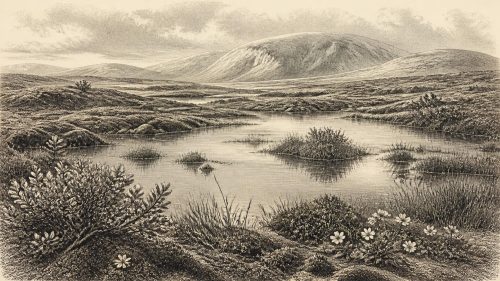
31,358 BCE is a modern reference within a broad calibrated range derived from Derryvree’s BIRM-166 radiocarbon date, not a recoverable Irish year. Organic silts beneath a Fermanagh drumlin show that, between glacial advances, freshwater wetlands occupied locally ice-free, open tundra. Pollen, plants and insects indicate sedges, grasses, mosses, juniper, bogbean, water-milfoil, dwarf willow and mountain avens in harsh periglacial conditions. Cave faunas demonstrate that cold-adapted mammals and predators reached Ireland during MIS 3, although not necessarily simultaneously. Human presence remains unproven: a possibly cut reindeer bone is insufficient evidence. Later ice sheets obscured records, leaving environmental, rather than societal, history.
Read Article

Archived: 17 September 2026
Abstract
At c. 33.3 ka cal BP, Ireland experienced unstable MIS 3 cold-stage environment rather than a datable year. Derryvree, County Fermanagh, preserves organic wetland sediments between tills, showing ice-free intervals with open, treeless tundra vegetation, freshwater pools and periglacial conditions. Castlepook Cave, County Cork, yielded mammoth, reindeer, giant deer, hyaena and other fauna, demonstrating intermittent ecological links with north-west Europe, though deposits span time and are biased. Revised dating places some fauna earlier than believed. A marked reindeer bone may indicate human butchery around 33,000 years ago but cannot prove settlement. Evidence supports changing landscapes, animals and possible human visits.
Read Article
Archived: 17 September 2026
Abstract
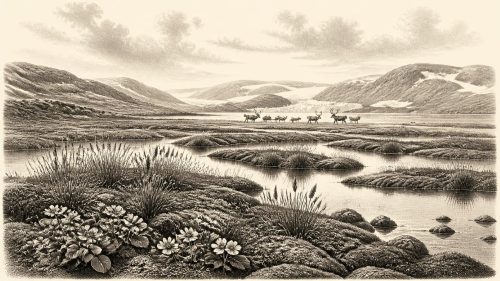
31,360 BCE is a modern label within unstable Marine Isotope Stage 3, rather than a precisely identifiable Irish year. At Derryvree, County Fermanagh, freshwater sediments between glacial tills record a locally ice-free, treeless tundra wetland, dated broadly to this period. Macrofossils, mosses and insects indicate cold-adapted herbs, sedges, pools and damp ground. Ireland’s ice cover and exposed sea routes varied regionally. Castlepook Cave, County Cork, preserves MIS 3 remains of mammoth, reindeer, giant deer, bear and hyaena. A possibly stone-cut reindeer femur may indicate transient human butchery, but no contemporary settlement, tools or other secure evidence confirms human occupation there.
Read Article

Archived: 17 September 2026
Abstract
Around 31,361 BCE, Ireland lay within the unstable cold conditions of Marine Isotope Stage 3, not a precisely datable historical moment. At Derryvree, County Fermanagh, freshwater sediments between glacial tills record an ice-free periglacial wetland, with sedges, mosses, aquatic plants and open treeless vegetation, though conditions varied regionally. Castlepook Cave, County Cork, preserves a long-accumulated fauna including mammoth, giant deer, reindeer, bear and hyena, indicating productive cold-country habitats. A modified reindeer femur may show Ireland’s earliest human animal processing, but cannot establish settlement. Changing ice, sea levels and uncertain routes constrain conclusions to provisional environmental history rather than political narratives.
Read Article

Archived: 17 September 2026
Abstract
31,362 BCE is a modern label, not a recoverable Irish calendar year. Evidence instead depicts unstable MIS 3 conditions. At Derryvree near Maguiresbridge, freshwater sediments between glacial tills preserve tundra-steppe plants, mosses and aquatic species, showing an ice-free periglacial wetland between advances. Kerry speleothems indicate intermittent milder conditions with liquid water. Castlepook Cave fauna, although chronologically mixed, includes reindeer, mammoth, giant deer, predators and Arctic species, demonstrating connections with north-west Europe during lower sea levels. A cut-marked reindeer bone may indicate human butchery, but no settlement, tools or social organisation is securely known. Later glaciation buried and disrupted much evidence.
Read Article
Archived: 17 September 2026
Abstract
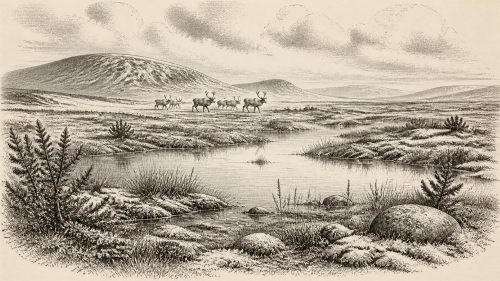
Around 31,363 BCE, Ireland lay within the unstable MIS 3 phase of the Late Pleistocene, not a date permitting annual historical reconstruction. At Derryvree, County Fermanagh, organic sediments between glacial tills indicate a cold, open, wet periglacial landscape with freshwater pools, grasses, sedges, juniper, mosses and insects. Comparable deposits and Kerry speleothems show locally varied climatic and ice conditions. Before the ice sheet’s later maximum, Ireland supported large mammals, documented at Castlepook Cave, including mammoth, reindeer, giant deer, bear and hyena. Human settlement is unproven; one possibly cut-marked reindeer bone suggests only a tentative, fleeting human presence on the island.
Read Article

Archived: 17 September 2026
Abstract
Around 31,364 BCE, Ireland lay within the climatically unstable Late Pleistocene, not a recoverable historical year. At Derryvree, County Fermanagh, freshwater organic beds between glacial tills reveal a temporary non-glacial interval of tundra-like wetlands, mosses, sedges, insects and shallow pools under severe periglacial conditions. Cave faunas, especially at Castlepook, County Cork, demonstrate repeated presence of mammoth, reindeer, giant deer, bears, hyaenas and other cold-stage animals in open, largely treeless terrain. A marked reindeer bone may indicate Upper Palaeolithic human activity, but cannot securely prove settlement. Glacial change, uncertain dating and fragmentary deposits preclude political, social or year-specific narratives with confidence.
Read Article

Archived: 17 September 2026
Abstract
Circa 31,365 BCE, Ireland lay within the climatically unstable Late Pleistocene, before the Last Glacial Maximum. Dates are approximate, reflecting calibrated radiocarbon uncertainties and disturbed cave deposits. Derryvree sediments show locally ice-free treeless tundra, wetlands and harsh periglacial conditions. Castlepook Cave yielded mammoth, reindeer, giant deer and carnivore remains, indicating intermittent animal access to open landscapes. A deeply incised reindeer femur may record stone-tool butchery, potentially Ireland’s earliest human trace, but cannot prove settlement. No securely associated tools, hearths, dwellings or burials survive. The evidence instead portrays a fragmented archive of changing ice, sea levels, habitats and possible human visits.
Read Article

