Archived: 17 September 2026
Abstract
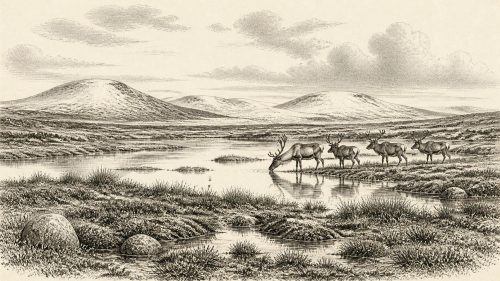
31,390 BCE is a modern label within MIS 3, not a precisely datable Irish year. Ireland’s evidence is environmental, chiefly Derryvree’s freshwater silts between glacial tills, broadly dated 36,900–31,700 cal BP. Their pollen, mosses, plants and insects indicate open, treeless, cold wetlands with pools, rather than permanent ice or woodland. Cave records from Kerry show episodic liquid-water conditions, while Cork fauna demonstrate that Ice Age mammals entered suitable landscapes. A possibly cut-marked Castlepook reindeer bone raises, but does not establish, human presence. Glacial erosion and uncertain dating preclude claims about communities, politics or conditions, revealing a Atlantic Ice Age landscape.
Read Article
Archived: 17 September 2026
Abstract
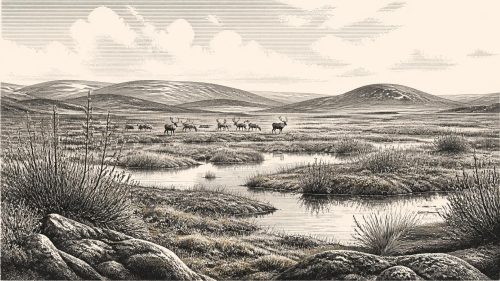
Around 31,391 BCE, Ireland cannot be described through a precise annual history, but Derryvree, County Fermanagh, preserves organic freshwater deposits dating broadly within this interval. Silts beneath later glacial till reveal a treeless, periglacial tundra of sedges, mosses, dwarf willow, aquatic plants and insects, proving local ice-free habitats and liquid water. Other records indicate fluctuating conditions before maximum ice-sheet expansion. Castlepook Cave fauna, including mammoth, reindeer and predators, demonstrates cold-stage wildlife. A possibly cut-marked reindeer bone suggests, but does not prove, human presence. No secure evidence establishes settlement, institutions, ritual, agriculture or technology; Ireland’s record remains fragmentary and environmentally focused.
Read Article
Archived: 17 September 2026
Abstract
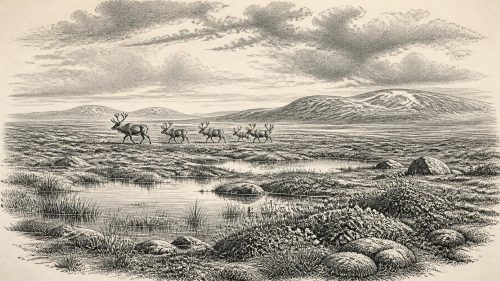
Modern labels such as 31,392 BCE cannot identify a single recorded Irish year; they denote a broad Late Pleistocene, MIS 3 interval. At Derryvree, County Fermanagh, freshwater silts between glacial tills, dated roughly 36.9–31.7 thousand cal BP, show locally ice-free muskeg and tundra wetlands with cold-adapted plants and aquatic life. Other deposits indicate shifting regional ice and open water. Castlepook Cave fauna, including mammoth, reindeer and predators, confirms ecological links with north-west Europe. A possibly cut-marked reindeer bone suggests limited Upper Palaeolithic human activity, but no settlement. Ireland remained environmentally unstable, repeatedly reshaped by ice, water and erosion over millennia.
Read Article

Archived: 17 September 2026
Abstract
The notional date 31,393 BCE approximates a Late Pleistocene MIS 3 interval, not a recoverable Irish year. Ireland experienced cold, unstable conditions before the Last Glacial Maximum, with changing ice, sea levels, exposed land and open vegetation. Derryvree sediments in Fermanagh preserve evidence of tundra-steppe wetlands, freshwater, mosses, sedges and cold-adapted plants. Castlepook Cave in Cork contains a mixed assemblage of Ice Age animals, including reindeer, mammoth and hyaena, accumulated across periods. A marked reindeer femur may indicate early human butchery, but cannot prove permanent occupation. Later glaciation and submergence obscured evidence, leaving a chiefly environmental history for Ireland today.
Read Article
Archived: 17 September 2026
Abstract
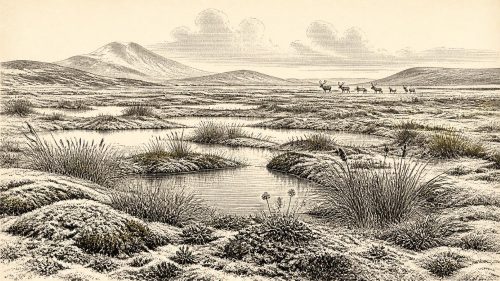
Around 31,394 BCE, Ireland was a fluctuating Late Pleistocene landscape, not a recorded historical society. Freshwater sediments at Derryvree, County Fermanagh, formed between glacial episodes, preserving evidence of treeless wetlands, sedges, grasses, mosses and aquatic plants. They indicate locally exposed, cold, wet ground before the later expansion of the British–Irish Ice Sheet. Cave remains show that mammoth, reindeer, horse, giant deer and predators reached Ireland during the broader Middle Midlandian period, though not necessarily simultaneously. Possible human activity at Castlepook remains unconfirmed as evidence of settlement. No communities, politics, monuments or traditions can be securely assigned to this remote interval.
Read Article
Archived: 17 September 2026
Abstract
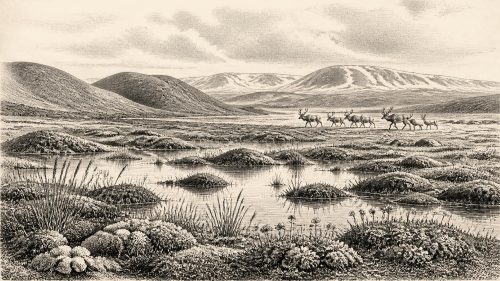
At roughly 33,500 calibrated years BP, Derryvree, County Fermanagh, preserves freshwater silts and organic deposits laid down between glacial advances. Pollen, plants and invertebrates indicate cold, open wetland with sedges, grasses, shrubs and mountain avens, rather than permanent settlement. Lower sea levels and unstable climate created changing landscapes as ice expanded, though conditions across Ireland remain uncertain. Castlepook Cave, County Cork, documents diverse Late Pleistocene fauna, including reindeer, mammoth, giant deer, predators and scavengers, across a lengthy period. A cut-marked reindeer bone may signal early human carcass processing, but proves neither occupation nor society. Evidence records environmental change, not institutions.
Read Article
Archived: 17 September 2026
Abstract
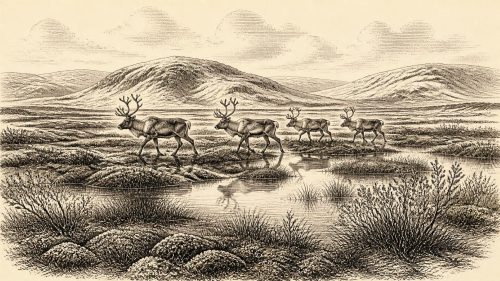
31,396 BCE is not a recoverable Irish historical year but falls within an unstable Late Pleistocene interval. Derryvree, County Fermanagh, preserves freshwater silts between glacial tills, indicating a locally ice-free, treeless wetland with tundra vegetation during part of MIS 3. Castlepook Cave, County Cork, contains a mixed, long-lived fauna including mammoth, reindeer, giant deer, hyaena and Arctic species, evidencing open cold landscapes. A cut-marked reindeer femur may represent Ireland’s earliest humanly processed animal, though it proves neither settlement nor identity. Later glaciation obscured much evidence there, leaving only cautious indications of changing climates, animal movements and possible brief human visits.
Read Article

Archived: 17 September 2026
Abstract
31,397 BCE is a label rather than a datable Irish year. During volatile MIS 3, Ireland comprised cold landscapes, including Fermanagh tundra wetlands documented at Derryvree and milder conditions indicated by Kerry speleothems. Castlepook Cave in Cork produced remains of reindeer, mammoth, giant deer, predators and cold-adapted fauna, accumulated across periods. A marked reindeer femur, perhaps cut by a stone tool, may signal an Upper Palaeolithic human visit, but cannot establish settlement or continuity. Later glaciation destroyed evidence. No polity, trade, farming or cultural system is demonstrable; surviving deposits instead reveal evidence of Ice Age environments and possible human visits.
Read Article

Archived: 17 September 2026
Abstract
31,398 BCE is a notional date within the climatically unstable Middle Midlandian, not a recordable historical year. At Derryvree, County Fermanagh, freshwater organic deposits between glacial tills document an ice-free interval of cold, tundra-like wetlands, though their broad dates cannot map conditions across Ireland. Related sites suggest local non-glacial terrain. Castlepook Cave, County Cork, preserves Marine Isotope Stage 3 fauna, including reindeer, hyaena and mammoth, but cave processes prevent a single contemporaneous reconstruction. A marked reindeer femur may indicate early human butchery, yet no settlement exists. Evidence reveals changing Ice Age environments, animals and possible transient human contact without societies.
Read Article
Archived: 17 September 2026
Abstract
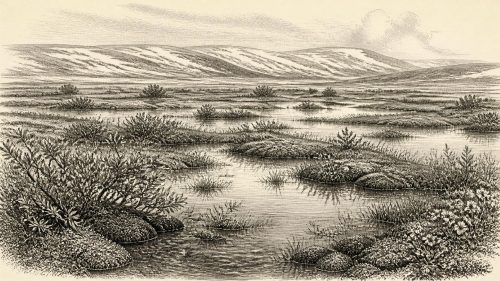
31,399 BCE is a modern label for later Marine Isotope Stage 3, not a recoverable Irish calendar year. Derryvree, County Fermanagh, preserves freshwater organic sediments between glacial tills, indicating a cold, treeless periglacial wetland during an ice-free local interval. Pollen, plants and insects document shallow pools and low-growing vegetation. Climate and ice varied, while lower sea levels did not necessarily create continental routes. Castlepook Cave records diverse cold-stage fauna, including mammoth, reindeer and predators. A marked reindeer femur may indicate brief human carcass processing, but cannot prove settlement, society, culture or permanent occupation. Evidence chiefly reveals a harsh, changing environment.
Read Article
