Archived: 19 October 2026
Abstract
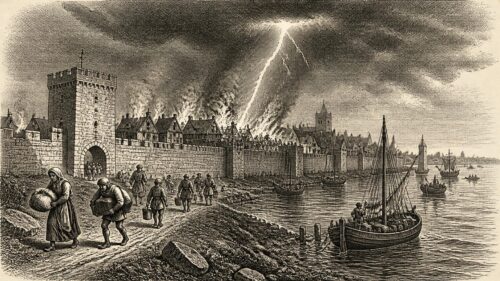
In 1473, Irish annals recorded Galway's destruction by lightning on 2 June, with major losses, alongside severe cattle mortality in Connacht. Raids, executions, family violence and warfare exposed contested lordships and fragile successions across Connacht, the midlands and Muintir Eolais. Conflicting accounts of fighting there reveal regional perspectives and heavy losses among nobles and commoners. Dublin's court executed Edward Nugent after his seizure by kin. Deaths of rulers, heirs, clergy and legal scholar Brian Mac Aodhagáin marked political and cultural change. An indulgence year, eclipse and marvels demonstrate religious and observational concerns, while commerce, livestock, learning and lordship remained intertwined.
Read Article

Archived: 24 October 2026
Abstract
In 1324, Connacht experienced a decisive dynastic reversal when Toirrdelbach Ó Conchobair killed Cathal Ó Conchobair in Tír Briúin na Sinna in autumn and was recognised as king. Cathal, ruler since 1318, had long contested power with his rival amid Gaelic and Anglo-Irish pressures. Annála Connacht also recorded the continuing Mael Domnaig cattle murrain throughout Ireland, a severe but undiagnosed epizootic threatening food, farming, transport, wealth and lordship. John Darcy, newly appointed justiciar, administered English-controlled jurisdictions under Edward II, where common law, Dublin ordinances and local usages coexisted. Sparse annalistic evidence portrays political succession and rural vulnerability as closely intertwined.
Read Article
Archived: 24 October 2026
Abstract
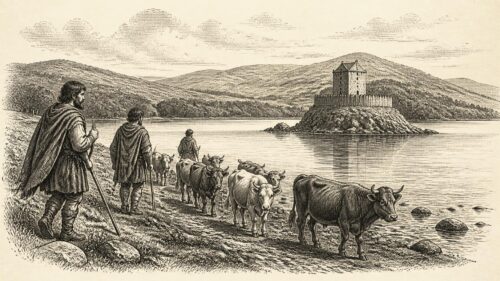
In 1321, Irish annals recorded an unprecedented cattle murrain across Ireland, corroborated in Connacht, Ulster and Munster, where famine was also noted. The disease, of unknown cause, destroyed vital sources of food, labour, wealth and political obligation, exposing fragile recovery after earlier war and subsistence crises. Conflict nevertheless continued: Cathal Ó Conchobair destroyed the Rock of Loch Key and rivals were killed; Oriel endured dynastic mutilation and assassination involving Dundalk; Meath forces defeated Offaly chiefs; and a Munster hosting sought castles and hostages. These events reveal local, interwoven Gaelic and settler politics, but cattle mortality remained the year’s island-wide calamity.
Read Article
Archived: 24 October 2026
Abstract
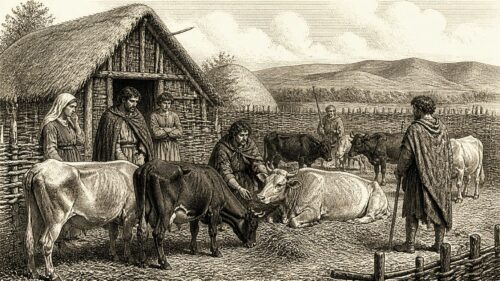
In 1302, Ireland experienced political change, conflict and widespread cattle mortality. Domnall Ruad Mac Carthaig, king of Desmond, died in February after a long reign and was succeeded by his son, Domnall Óc. His Franciscan burial at Cork reflected both dynastic status and penitential religious culture. Donn Carrach Mag Uidir of Fermanagh, several prospective heirs, and leading churchmen also died, creating important vacancies. Raids in Mag Céidne demonstrated continuing competition among Connacht elites. Annals described severe disease among cattle throughout Ireland, threatening rural wealth, food supplies, tribute and lordly power. Chronological differences between sources require caution over some associated events.
Read Article

Archived: 26 September 2026
Abstract
In 1134, Tairdelbach Ua Conchobair’s dominance faced a broad southern challenge led by Cormac Mac Carthaig of Desmond, though church mediation prevented renewed invasion of Connacht. Cormac’s alliance with Uí Briain collapsed into Munster conflict, while Diarmait Mac Murchada pursued campaigns in Osraige with Dublin’s support against rivals including Waterford. Cormac also consecrated the Romanesque chapel at Cashel, asserting royal and ecclesiastical prestige. At Armagh, Saint Malachy’s accession advanced reform against hereditary control. Deaths of clerics reflected monastic institutions and wider Christian connections. Cattle disease, destructive weather, killings and warfare impoverished rural communities, revealing Ireland’s political ambition and social fragility.
Read Article
Archived: 1 November 2026
Abstract
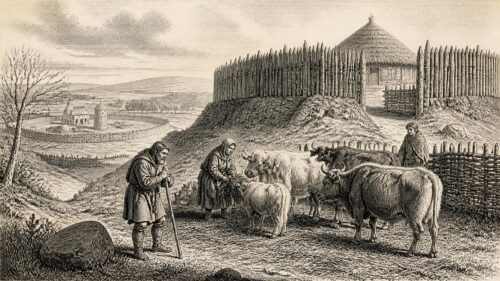
In 700, Irish annals recorded a cattle mortality beginning on 1 February at Mag Trega in Tethba, an event of major significance in a rural economy dependent on livestock for food, labour, wealth and tribute. Sources differ slightly in chronology and detail, but associate the outbreak with Ireland-wide loss and memories of famine and pestilence. Chronicon Scotorum also reports exceptional frost, without proving a causal link. Political instability continued: Fiannamail of Dál Riata was killed and Aurthuile of Cenél nÉogain expelled to Britain. Ecclesiastical institutions remained influential, while later narratives framed crisis through Christian ideas of protection, providence and judgement.
Read Article





