
Archived: 26 September 2026
Abstract
In 1215, Ireland remained politically fragmented: King John controlled ports, towns, castles and lordships, while Irish kings and kindreds retained power. Magna Carta concerned England, but John’s crisis affected Ireland, prompting efforts to raise revenue and reconcile magnates, notably Walter de Lacy. Royal rule relied on fines, hostages, castles and negotiated claims, while frontier insecurity persisted. Geoffrey de Marisco became justiciar. Irish forces under Áed Ua Néill defeated Ulster’s settlers. New Ross gained limited shipping rights, Cratloe was granted, and Armagh’s archbishop attended Lateran IV. Warfare, commerce, church reform and regional rivalries showed Ireland connected to John’s dominions yet divided.
Read Article
Archived: 26 September 2026
Abstract
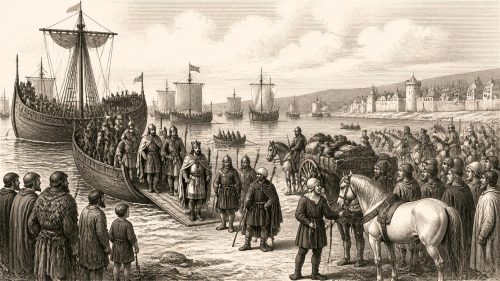
In 1210 King John launched a 63-day expedition to Ireland, asserting authority over Anglo-Norman magnates and seeking alliances with Gaelic rulers. Landing at Waterford, he received Donnchadh Ua Briain and Cathal Crobhdearg Ua Conchobair, then advanced through Dublin, Meath and Ulster. Walter and Hugh de Lacy were dispossessed; Carrickfergus fell to royal forces, while Man suffered punitive attack. John expanded administration, installed John de Grey, promoted castles and a bridge at Athlone, and supported royal coinage. Yet hostage-taking damaged relations with Connacht, Gaelic submissions remained conditional, and regional conflicts continued. The campaign strengthened royal control but left divided politics unresolved.
Read Article

Archived: 26 September 2026
Abstract
In 1207, King John’s Irish government faced armed opposition from Anglo-Norman magnates and continuing Gaelic rivalries. Justiciar Meiler fitz Henry’s disputes with the Lacys and William Marshal escalated into warfare across Leinster and Meath. Hugh de Lacy’s allies besieged Ardnurcher for five weeks, captured Firceall and forced Meiler from Ireland. Raiding and successions reshaped northern and western lordships, while Cathal Crobhdearg redistributed Connacht territory. Churches at Lismore and Armagh suffered attack, prompting ecclesiastical appeals to England. John promoted control through coinage rules, land grants and fortification, but these measures exposed rather than resolved fragile authority, foreshadowing his later 1210 intervention.
Read Article

Archived: 26 September 2026
Abstract
In 1197 John de Courcy extended his Ulster lordship, building Kilsanctan castle and raiding Ciannachta and the Derry region. After King Flaithbertach Ua Máeldoraid died, de Courcy defeated his successor Echmarcach Ua Dochartaig, killed many Cenél Conaill warriors and seized cattle, though north-western control remained contested. Churches were targets, protectors of authority and repositories of treasure, illustrated by Derry altar’s robbery and punishment. Dynastic warfare also afflicted Thomond and Connacht. Limerick received borough liberties under John, while Archbishop John Cumin contested ecclesiastical property with the justiciar. The year revealed fragmented power, enduring Gaelic resistance, and incomplete conquest across medieval Ireland.
Read Article
Archived: 26 September 2026
Abstract
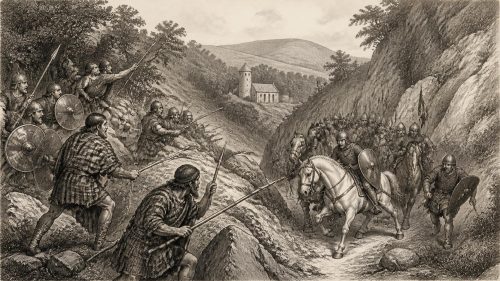
In 1188, John de Courcy led a broad Anglo-Norman expedition into Connacht, supported by Conchobar Ua Diarmata, but Conchobar Máenmaige Ua Conchobair and Domnall Mór Ua Briain defeated it near the Curlew Mountains after destructive raids through north Connacht. The failure confirmed limits to settler power and strengthened Conchobar briefly before his murder in 1189. Elsewhere, raiders from Magh Coba killed Ailech’s king Domnall Ua Lochlainn despite defeat, while Ruaidrí Ua Canannáin was murdered. Annals also record clerical deaths, pilgrimages, and domestic tragedy. Gerald of Wales’s Topographia circulated, promoting colonial assumptions challenged by annalistic evidence of complex, resilient Irish society.
Read Article

Archived: 26 September 2026
Abstract
In 1186, Ireland remained politically fragmented despite expanding Anglo-Norman settlement. Hugh de Lacy, lord of Meath, was killed while inspecting castle works at Durrow, an act Irish annals portrayed as vengeance for violation of Columcille’s sanctuary. His death weakened colonial authority while Crown withheld Meath from heir. In Connacht, Conchobar Máenmaige displaced his father, Ruaidrí Ua Conchobair, amid dynastic warfare. Northern factions deposed Domnall Mac Lochlainn, causing violence. Churches, pilgrimage, hagiography, trade and castle-building shaped life. Gaelic and settler economies interacted, but warfare disrupted communities. The year demonstrated that competing Gaelic, royal, ecclesiastical and Anglo-Norman lordships prevented any unified conquest.
Read Article

Archived: 26 September 2026
Abstract
In 1185, eighteen-year-old John, Lord of Ireland, landed with an Anglo-Norman expedition intended to strengthen royal authority and curb magnates such as Hugh de Lacy. His poor diplomacy, disputed by Gerald of Wales in detail but evident in outcome, alienated Gaelic rulers and settlers alike. Castles in Munster provoked resistance and military losses, while dynastic wars continued across Connacht and Ulster independently of John’s aims. Town charters, notably Cork’s, and grants to newcomers including Theobald Walter encouraged lasting colonial institutions. Churches, learning, trade and cattle-based livelihoods persisted amid warfare. John’s December departure secured no general obedience, but strengthened royal footholds.
Read Article

Archived: 26 September 2026
Abstract
In 1182, Ireland remained divided among Gaelic kings, Norse-Irish towns and expanding Anglo-Norman lordships. Domnall Ua Lochlainn’s Cenél nEógain force was defeated at Dunbo, probably by John de Courcy’s men, who seized the Gospel of St Martin. In Munster, Miles de Cogan’s killing near Lismore triggered resistance and exposed the weakness of settlement beyond fortified bases. Dynastic conflicts continued in Connacht, Annaly and elsewhere. The deaths of leading churchmen coincided with Kilcooly Abbey’s foundation under Domnall Mór Ua Briain. Hugh de Lacy’s castles and manors transformed Meath, yet trade, Gaelic institutions and local power still endured amid an unsettled frontier.
Read Article
Archived: 26 September 2026
Abstract
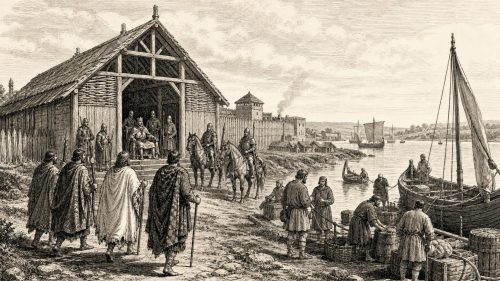
In 1172 Henry II held a winter court at Dublin, asserting royal control over Strongbow’s Anglo-Norman venture and receiving submissions from Irish rulers, though Ruaidrí Ua Conchobair remained independent. He secured Dublin, Waterford and Wexford, encouraged Bristol settlement, and linked conquest to commerce. The Council of Cashel promoted ecclesiastical order, building upon Irish reforms, while Gaelic church and political authority persisted elsewhere. Henry departed in April, granting Meath and Dublin’s custody to Hugh de Lacy. His forces devastated communities, and Tigernán Ua Ruairc was killed. Papal backing strengthened Henry’s claims, but Ireland remained divided between competing Gaelic and Angevin lordships.
Read Article




