
Archived: 26 September 2026
Abstract
In 1186, Ireland remained politically fragmented despite expanding Anglo-Norman settlement. Hugh de Lacy, lord of Meath, was killed while inspecting castle works at Durrow, an act Irish annals portrayed as vengeance for violation of Columcille’s sanctuary. His death weakened colonial authority while Crown withheld Meath from heir. In Connacht, Conchobar Máenmaige displaced his father, Ruaidrí Ua Conchobair, amid dynastic warfare. Northern factions deposed Domnall Mac Lochlainn, causing violence. Churches, pilgrimage, hagiography, trade and castle-building shaped life. Gaelic and settler economies interacted, but warfare disrupted communities. The year demonstrated that competing Gaelic, royal, ecclesiastical and Anglo-Norman lordships prevented any unified conquest.
Read Article

Archived: 26 September 2026
Abstract
In 1182, Ireland remained divided among Gaelic kings, Norse-Irish towns and expanding Anglo-Norman lordships. Domnall Ua Lochlainn’s Cenél nEógain force was defeated at Dunbo, probably by John de Courcy’s men, who seized the Gospel of St Martin. In Munster, Miles de Cogan’s killing near Lismore triggered resistance and exposed the weakness of settlement beyond fortified bases. Dynastic conflicts continued in Connacht, Annaly and elsewhere. The deaths of leading churchmen coincided with Kilcooly Abbey’s foundation under Domnall Mór Ua Briain. Hugh de Lacy’s castles and manors transformed Meath, yet trade, Gaelic institutions and local power still endured amid an unsettled frontier.
Read Article

Archived: 26 September 2026
Abstract
In 1166, Muirchertach Mac Lochlainn’s breach of a guaranteed settlement in Ulaid, including the blinding of King Eochaid, destroyed his authority. Abandoned by allies, he was defeated and killed. Ruaidrí Ua Conchobair of Connacht exploited the collapse, securing submissions, hostages and tribute from Dublin and regional rulers, while distributing wealth and arbitrating disputes. Diarmait Mac Murchada, deprived of Mac Lochlainn’s support and opposed within Leinster, was expelled after coalition campaigns destroyed his Ferns residence. He sought Henry II’s permission to recruit overseas, creating conditions for later Anglo-Norman intervention. Fires, church affairs, rural burdens, towns and royal patronage also marked 1166.
Read Article

Archived: 26 September 2026
Abstract
In 1165, Muirchertach Mac Lochlainn asserted northern supremacy through warfare, hostage-taking and negotiated settlements. After Ulaid revolted, he devastated the province, expelled Eochaid Mac Duinn Sléibe, installed Donn Sléibe, and later restored Eochaid at Armagh under harsh terms including hostages, treasure and territorial concessions. Elsewhere, Ruaidrí Ua Conchobair expanded Connacht’s influence through raids, grants and southern submissions, while dynastic conflict unsettled Munster and Osraige. Dublin ships joined Henry II’s Welsh expedition, illustrating Irish Sea connections. Churches mediated politics, reform continued, severe snow affected rural life, and manuscript learning flourished. Mac Lochlainn’s apparent triumph remained precarious, foreshadowing his collapse in 1166.
Read Article

Archived: 26 September 2026
Abstract
During 1163, Muirchertach Mac Lochlainn’s high-kingship remained influential but dependent on negotiation, payments and local compliance. Meath’s rulers were reshaped through deposition and gold payment, while his son Niall’s coercive progress ended with his capture in Uí Maine after offences against communities and churches. Assassinations, deaths and cattle-raiding reflected continuing regional rivalries. Ecclesiastical leaders died, yet monastic institutions retained traditional offices alongside diocesan reform. Glendalough suffered a destructive fire, whereas Derry’s Columban community built a huge lime-kiln, signalling organised construction. Learning, agriculture, cattle wealth and Irish Sea trade underpinned society, revealing a politically fragmented but connected Ireland at this time.
Read Article

Archived: 26 September 2026
Abstract
In 1162 Muirchertach Mac Lochlainn’s loose high-kingship united northern, Meath and Connacht forces, yet failed to compel Dublin’s surrender; after plundering Fine Gall, he accepted 120 ounces of gold. Tribute arrangements in Meath and exemptions from coigny showed the political and local economic importance of land and provisioning. At Clane, Gelasius of Armagh led a synod reinforcing clerical discipline, Armagh’s educational primacy and church reform. Laurence O’Toole became archbishop of Dublin, while Derry’s sacred precinct was reorganised. Deaths, fires, relic enshrinement and raids exposed cultural vulnerability. Continuing regional warfare and dynastic rivalry undermined Mac Lochlainn’s seemingly dominant authority across Ireland.
Read Article

Archived: 26 September 2026
Abstract
In 1161 Ireland comprised competing provincial kingdoms, lordships, churches and towns rather than a unified state. Muirchertach Mac Lochlainn, dominant northern ruler, and Ruaidrí Ua Conchobair of Connacht negotiated authority through campaigns, hostages and assemblies, dividing influence while preserving Mac Lochlainn’s senior kingship. Meath remained contested, with local dynastic violence continuing despite high-level settlements. Church reform and power were marked by bishops’ deaths, Dublin Archbishop Gregory’s death, Columban privileges secured by Flaithbertach Ua Brolcháin, and written guarantees for Ardbraccan. Rural communities supplied armies and suffered plunder; cattle and silver underpinned wealth. Towns, learning and poetry shaped wider Irish cultural life.
Read Article
Archived: 26 September 2026
Abstract
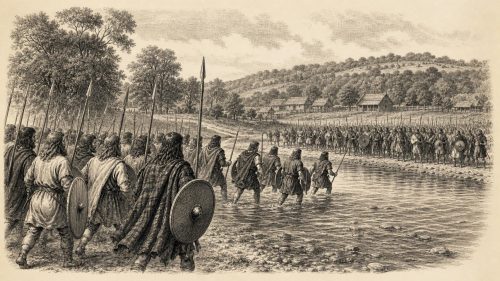
In 1159, Muirchertach Mac Lochlainn, Ireland’s leading overking, contested Ruaidrí Ua Conchobair’s power through shifting alliances across Meath, Bréifne, Airgíalla and Thomond. After reshaping Meath’s kingship, Mac Lochlainn faced Ruaidrí’s Connacht-Bréifne coalition, whose campaign was marked by Áed Ua Conchobair’s death at Athlone’s wicker bridge. At Ardee, northern and Airgíalla forces routed Ruaidrí’s army, killing numerous regional leaders. Mac Lochlainn subsequently ravaged Connacht and pressured Meath and Leinster, but gained neither Ruaidrí’s submission nor lasting control. Local raids, church deaths and rural military burdens reflected wider instability. Ardee confirmed his supremacy temporarily, yet preserved rivals and left Ireland’s kingship unresolved.
Read Article

Archived: 26 September 2026
Abstract
In 1157, following Tairdelbach Ua Conchobair’s death, Muirchertach Mac Lochlainn asserted a contested high kingship through alliances, hostages and campaigns. Mellifont’s church consecration gathered leading clerics and rulers, displayed lavish patronage, and enabled the excommunication and deposition of Donnchad Ua Máel Sechlainn for violating a safeguard. Mac Lochlainn secured submissions in Leinster and Munster, but his settlements remained precarious. Ruaidrí Ua Conchobair raided Tír Eógain, contested Munster and assembled a Shannon fleet. Mac Lochlainn’s Newry charter linked royal authority with ecclesiastical reform. Records also show wealth in cattle and gold, vulnerable communities, fires, deaths, and persistent local conflict across Ireland.
Read Article

Archived: 26 September 2026
Abstract
In 1156, the death of Toirdelbach Ua Conchobair ended a career of contested island-wide authority and prompted succession struggles. Ruaidrí Ua Conchobair secured Connacht through hostage-taking and blinding rivals, while Muirchertach Mac Lochlainn expanded northern power by compelling submissions in Ulaid, Leinster and Osraige. Warfare and shifting alliances destabilised Mide, involving Leinster, Bréifne and Dublin forces. Power depended on hostages, tribute, raids and military expeditions, despite ecclesiastical protections. Toirdelbach’s burial at Clonmacnoise and gifts affirmed royal patronage. Fires damaged churches, religious reform continued, and learning suffered losses. A plentiful harvest was followed by severe frost, underscoring the year’s political uncertainty.
Read Article

Archived: 26 September 2026
Abstract
In 1155, Ireland’s competing overkings, Tairrdelbach Ua Conchobair and Muirchertach Mac Lochlainn, struggled for influence through Meath, hostages, cattle raids and control of Shannon crossings. Following Maelsechlainn Ua Mael Sechlainn’s death, Mac Lochlainn installed Donnchad, who was deposed by Meathmen. Campaigns destroyed bridges and fortifications, while captives, oaths and restitution shaped alliances. Fires affected major ecclesiastical settlements amid continuing church reform and construction. Rural life depended on farming, livestock and lordly obligations, while coastal towns traded. Henry II considered, but abandoned, an Irish expedition. Laudabiliter’s disputed papal authority later furnished arguments supporting English conquest, although no intervention occurred until 1169.
Read Article

Archived: 26 September 2026
Abstract
In 1154, Toirdelbach Ua Conchobair of Connacht and Muirchertach Mac Lochlainn of Cenél nÉogain contested Ireland’s high-kingship through fleets, raids, alliances and submissions. Connacht ships attacked Tír Chonaill and Inishowen, fighting an Irish Sea force in a costly, probably Connacht-favoured naval battle. Mac Lochlainn retaliated in Connacht, reshaped power in Bréifne, and gained Dublin’s allegiance. Dynastic killings, expulsions, raids and Munster instability exposed wider political fragmentation. Crop destruction, cattle losses and burned churches harmed communities. Ecclesiastical reform continued, alongside monastic expansion and lively urban trade and learning. Neither king prevailed; indigenous rivalries, not English intervention, defined the year within Ireland.
Read Article

Archived: 26 September 2026
Abstract
In 1153, rivalry between high king Toirdelbach Ua Conchobair and Muirchertach Mac Lochlainn reshaped Ireland’s political order. Following Murchad Ua Máelshechlainn’s death, his son secured Mide through violence, while Derbfhorgaill returned from Leinster to Tigernán Ua Ruairc amid circumstances. Connacht allies partitioned Munster, expelling Toirdelbach Ua Briain, but Mac Lochlainn restored him, defeated Ruaidrí Ua Conchobair at Fordruim, and imposed settlements across Mide. Control of Shannon crossings, hostages, cattle and alliances underpinned power. Church visitations, monastic developments, rural production and a fatal sea voyage reveal religious, economic and social conditions. Mac Lochlainn ended year strengthened, though no settlement was permanent.
Read Article

Archived: 26 September 2026
Abstract
In 1150 Ireland remained divided among competing provincial and lesser kings, with Muirchertach Mac Lochlainn strengthening his high-kingship through hostages, alliances and the partition of Mide. Tairdelbach Ua Conchobair retained Connacht, while Tairdelbach Ua Briain raided Mide, gained Dublin’s submission and campaigned in Leinster. Warfare, cattle raiding, killings and dynastic punishments accompanied short-lived negotiated peace. Clergy at Armagh and Derry legitimised rulers, mediated settlements and collected substantial livestock tribute. Church reform advanced alongside older monastic networks; Bishop Muiredach Ua Dubthaig died. Fires damaged religious settlements. Cattle, horses and urban trade underpinned power, exposing warfare’s burden on ordinary households throughout Ireland.
Read Article

Archived: 26 September 2026
Abstract
In 1148, Irish politics combined rivalry, raiding and shifting alliances with major ecclesiastical reform. Tairdelbach Ua Conchobair, king of Ireland with opposition, campaigned in Mide, while Muirchertach Mac Lochlainn intervened in Ulaid, where changing rulers, hostages and a relic-sanctioned peace reflected unstable power. Tigernán Ua Ruairc survived an assassination attempt, and Dublin’s Hiberno-Norse king Óttar was killed. At Inispatrick, Malachy Ua Morgair gathered bishops and clergy, advancing diocesan reform and plans for papal pallia. He consecrated Cnoc na Seangan, while Baltinglass Abbey was founded. Malachy died at Clairvaux, but his reforms helped shape the 1152 settlement at Kells-Mellifont in Ireland.
Read Article
Archived: 26 September 2026
Abstract
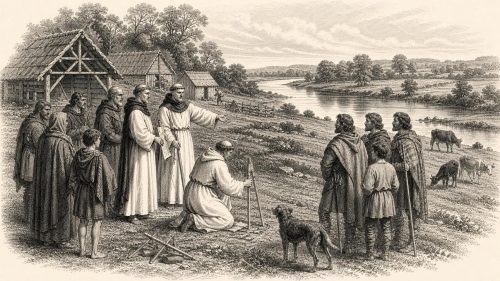
In 1147, Ireland remained politically fragmented despite Tairdelbach Ua Conchobair’s contested high-kingship. Muirchertach Mac Lochlainn, allied with Donnchad Ua Cerbaill, defeated Ulaid at Dundrum, devastated Lecale and took hostages, signalling northern expansion. At Athlone, Tethba forces defeated Ua Conchobair’s son and Uí Maine, while local killings exposed wider instability. Murchad Ua Máelsechlainn founded Bective Abbey, Mellifont’s first Cistercian daughter house, linking reform, patronage and royal politics. Malachy and other bishops mediated Tadc Ua Briain’s release; churches suffered fire and storm damage. Chronicles also noted the Second Crusade, clerical deaths and an exceptional nationwide harvest, contrasting abundance with warfare and plunder.
Read Article
Archived: 26 September 2026
Abstract
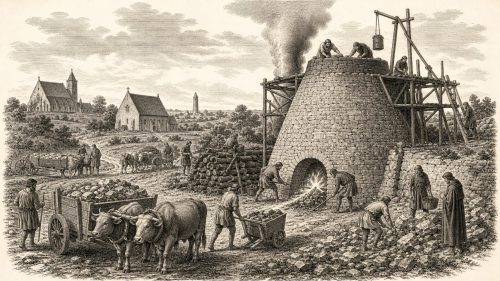
In 1145, Ireland’s contested high-kingship produced widespread warfare, recalled by annalists as a trembling sod. Tairdelbach Ua Conchobair of Connacht faced rebellion from Tigernán Ua Ruairc of Bréifne, Munster offensives and instability in Mide. In the north, Muirchertach Mac Lochlainn regained Cenél nÉogain with support from Cenél Conaill and Airgialla, establishing a powerful rival centre. Campaigns involved battles, cattle raids, burnings, captives and naval conflict on the Shannon, where Connacht defeated Munster and Limerick forces. Amid turmoil, Armagh’s church built a large limekiln, demonstrating ecclesiastical resources, reform and continuing organised construction. The year reshaped, but did not settle, Irish supremacy.
Read Article

Archived: 26 September 2026
Abstract
In 1142, Ireland remained politically fragmented despite Toirdelbach Ua Conchobair’s claim to high kingship. His coalition army devastated lands en route to Munster but gained neither cattle nor Munster hostages. Conchobar Ua Briain died, enabling his brother Toirdelbach to take Munster amid dynastic conflict, while Muirchertach Mac Lochlainn fought in the north and Ottir from the Hebrides assumed Dublin’s leadership. Raiding, crop destruction, church burnings and clerical deaths exposed insecurity affecting rural and religious life. Mellifont Abbey, founded by Malachy Ua Morgair with Donnchad Ua Cerbaill’s patronage, introduced Ireland’s first Cistercian house, linking native reform, politics and Clairvaux’s continental network.
Read Article

Archived: 26 September 2026
Abstract
In 1131, Toirdelbach Ua Conchobair’s contested high-kingship faced coordinated pressure from Munster, northern rulers and midland rivals. Connacht forces raided Uí Conaill Gabra and Desmond, possibly using a fleet to reach Rosscarbery, while Conchobar Ua Briain campaigned through Leinster and Mide, defeated Connacht cavalry, and took hostages. A northern coalition invaded Connacht but was repelled; subsequent raids exposed its fragility. Conflict continued within Munster, and Clonard was plundered twice. Church leadership and reform remained unsettled, while genealogical scholarship may have advanced. Warfare disrupted communities through demands for cattle, transport, provisions and service, without producing permanent territorial change across the island.
Read Article

Archived: 26 September 2026
Abstract
In 1127, Tairdelbach Ua Conchobair, king of Connacht, invaded Munster by land and sea, plundered Cork, displaced Cormac Mac Carthaig and partitioned the province. Cormac’s restoration from Lismore, backed by Ua Briain allies, quickly overturned this settlement, while hostage threats and naval conflict exposed its brutality. Tairdelbach’s son was expelled from Dublin and Leinster, and disputes in Kildare and Ulaid demonstrated persistent regional autonomy. Churchmen mediated politics, religious centres remained influential, and sacred objects expressed power. Warfare burdened ordinary communities, despite continuing trade, scholarship and artistic patronage, confirming limits to Tairdelbach’s high-kingship across Ireland during the unstable and contested year.
Read Article

Archived: 26 September 2026
Abstract
In 1120, Ireland remained divided among competing rulers rather than subject to a single high king. Toirdelbach Ua Conchobair of Connacht invaded Meath, expelling Murchad Ua Máel Sechlainn despite disputed ecclesiastical guarantees, before confronting Domnall Mac Lochlainn at Athlone; their peace proved fragile. Toirdelbach reinforced power by building three strategic bridges and celebrating Tailtiu’s royal assembly. In Munster and Osraige, hostage-taking, payments and imprisonment exposed overlapping claims. Cellach of Armagh visited Munster, collecting dues and affirming church influence in diplomacy and reform. Regional killings, trade, agriculture and labour underpin the annals’ portrait of political conflict, mobility and contested authority throughout.
Read Article

Archived: 26 September 2026
Abstract
In 1119, Muirchertach Ua Briain died at Killaloe, ending a weakened southern bid for island-wide overlordship as Tairdelbach Ua Conchobair expanded Connacht influence across Munster. Ireland remained divided: Domnall Ua Lochlainn retained northern power, while Ua Briain successors faced rivalry, partition and Connacht intervention. Tairdelbach’s Shannon fleet, supported by Leinster, Osraige and Dublin allies, depleted Munster’s resources, though Thomond forces suffered defeat in Kerry. The year also saw massacre of poet Cú Collchaille Ua Baigelláin’s household and Niall Ua Lochlainn’s killing, threatening northern succession. Church reform, monasteries, farming, towns and waterways underpinned political, economic and cultural life in significant ways.
Read Article

Archived: 26 September 2026
Abstract
Ireland in 1117 remained fragmented as Muirchertach Ua Briain’s illness and family rebellion weakened Munster, while Tairdelbach Ua Conchobair of Connacht expanded his influence. Connacht forces defeated Munstermen at Lettracha Odráin after destructive reciprocal raids, and Tairdelbach took hostages from Mide’s king. Leinster and Dublin lost their shared ruler, Diarmait son of Énna, while northern kindreds continued violent rivalries. Church life was marked by numerous clerical deaths, notably reformer Máel Muire Ua Dúnáin, and the killing of Kells’ coarb and community. Following the 1116 famine, warfare intensified hardship for communities, more clearly exposing shifting overlordship, ecclesiastical vulnerability and regional interdependence.
Read Article

Archived: 26 September 2026
Abstract
In 1116, Ireland faced intertwined dynastic, military and environmental crises. Munster’s Uí Briain kingship fractured as Diarmait displaced the ailing Muirchertach, enabling Connacht’s Toirdelbach Ua Conchobair to raid Thomond, burn Kincora and challenge Munster forces. Severe winter weather produced famine and pestilence, especially in Leinster and southern Ireland, causing mortality, displacement and abandoned settlements; warfare worsened shortages through plunder and captivity. Fires damaged major ecclesiastical centres, including Armagh, Killaloe, Cork, Emly, Lismore, Aghaboe and Clonard, while attacks struck church communities. Despite disruption, Cellach of Armagh completed a Connacht visitation, demonstrating enduring ecclesiastical authority and institutional resilience amid severe widespread hardship.
Read Article

Archived: 26 September 2026
Abstract
In 1115, severe frost and snow caused widespread hunger, livestock deaths and disruption across Ireland, particularly Leinster. Muirchertach Ua Briain recovered from illness, regained Munster after his brother Diarmait’s capture, and reasserted influence through campaigns in Brega and Dublin, where his son’s forces defeated Leinster leaders. Yet attacks on churches at Ardbraccan and Clonmacnoise exposed warfare’s damage to sacred centres. Tairdelbach Ua Conchobair raided Thomond, removed a Ua Briain claimant, survived internal opposition, deployed a Shannon fleet and allied with Mide. His gifts at Clonmacnoise combined piety and political display. Despite Muirchertach’s recovery, Connacht’s growing power signalled a shifting balance.
Read Article
Archived: 26 September 2026
Abstract
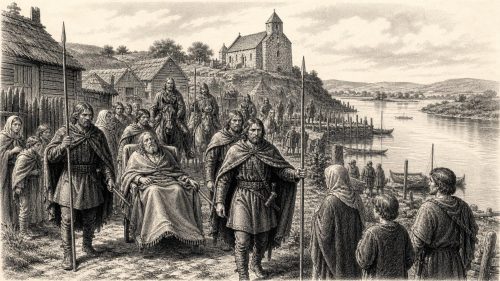
In 1114, Muirchertach Ua Briain’s illness shattered his dominance of Ireland, enabling his brother Diarmait to seize Munster and confine him at Killaloe. Domnall Ua Lochlainn led a northern coalition into Munster, but its campaign ended in a year’s truce, influenced by the independent Connacht king, Tairdelbach Ua Conchobair. Tairdelbach suppressed rivals, raided Meath and consolidated Connacht. Elsewhere, warfare, killings, depositions and blinding exposed unstable successions. Church reform coexisted with monastic institutions, whose leaders’ deaths and fires were recorded. Raids, forced provisioning and livestock disease damaged communities. No settlement emerged: Uí Briain power waned as Connacht became a decisive rival.
Read Article
Archived: 26 September 2026
Abstract
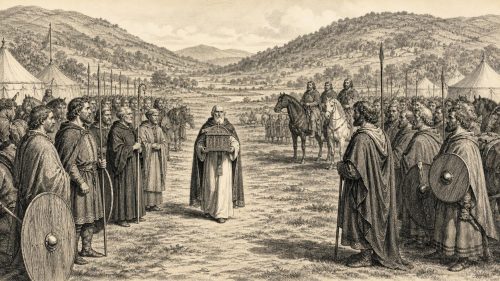
In 1113, Ireland was dominated by rivalry between Muirchertach Ua Briain of Munster and Domnall Ua Lochlainn of Ailech, whose coalitions threatened conflict. Domnall expelled Donnchad Ua hEochada and partitioned Ulaid, while Muirchertach mobilised Leinster and Connacht forces in response. On two occasions Cellach, successor of Patrick at Armagh, prevented battle, ultimately securing a year’s truce with the sacred Bachall Ísu. The events demonstrated Armagh’s ecclesiastical authority amid church reform. Local dynastic killings, cattle mortality, pilgrimage deaths on Croagh Patrick, and shrine-work at Clonmacnoise also reveal instability, devotion, economic vulnerability, and patronage. Neither overking prevailed before Muirchertach’s illness in 1114.
Read Article

Archived: 26 September 2026
Abstract
In 1112, rivalry between northern overking Domnall Ua Lochlainn and Munster’s Muirchertach Ua Briain shaped Irish politics. Domnall raided Fine Gall near Dublin, seizing cattle and captives, demonstrating northern power in a prosperous region. Armagh’s enclosure, church and neighbouring quarters burned on 23 March, amid implementation of diocesan reforms agreed at Ráith Bressail. Deaths included leading officers of Derry, Kildare and Clonfert, illustrating enduring ecclesiastical and dynastic institutions. Terryglass and Fore also suffered fires, while a local aristocrat was killed. Conversely, an abundant mast crop aided rural households and pig husbandry, underscoring countryside wealth vulnerable to warfare and disruption alike.
Read Article

Archived: 26 September 2026
Abstract
In 1110, Ireland remained divided among local and provincial rulers, dominated by Muirchertach Ua Briain of Munster and Domnall Ua Lochlainn of Ailech. Ua Lochlainn raided Connacht, taking many cattle and captives, while its young king, Tairdelbach Ua Conchobair, won at Ros but suffered defeat at Mag Brengair. Elsewhere, the Ulaid plundered Mucnám and regional kings were killed. Dynastic deaths affected Munster and northern alliances. Cellach of Armagh visited Mide, collecting dues and advancing church reform. Learned churchmen also died. Annals chiefly preserve elite violence and religion, while rural farming, trade, craftsmanship and learning sustained wider society throughout the year.
Read Article

Archived: 26 September 2026
Abstract
In 1109, rival Irish overkings Muirchertach Ua Briain and Domnall Ua Lochlainn mobilised major coalitions, while Murchad Ua Máel Sechlainn of Mide, allied to Ua Briain, raided Bréifne. The invaders seized cattle, captives and booty but failed to secure hostages; Aed Ua Ruairc retaliated, and Ardbraccan was burnt. Cellach of Armagh prevented confrontation between the principal armies at Sliab Fuait, arranging a one-year truce. Ua Lochlainn subsequently compelled Ulaid submission through hostages, amid continuing local feuds. Annals also note clerical deaths, church learning, severe weather, fasting, plentiful apples, crop-destroying mice, and vulnerability to warfare and environmental disruption throughout the island.
Read Article




