Archived: 12 October 2026
Abstract
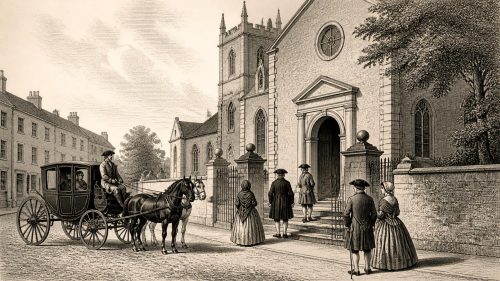
In 1787, Ireland’s Dublin parliament responded to agrarian unrest by passing the general Riot Act, amid Rightboy disturbances and attacks on property, tolls and officials. It also promoted manufactures, linen, trade and maritime regulation, while fiscal measures extended state oversight. Thomas Orde’s proposed nationwide school system, including free parish education, failed amid confessional distrust. John Butler, Catholic bishop of Cork and heir to Dunboyne, conformed to the Church of Ireland, an exceptional conversion reflecting Protestant privilege. Lord Lieutenant Rutland died in October, disrupting Castle politics. Cultural life saw Dublin theatre reorganisation and Prince William Henry’s visit to Curraghmore in December.
Read Article

Archived: 12 October 2026
Abstract
In 1785, proposed commercial reforms exposed the limits of Ireland’s post-1782 legislative independence. Thomas Orde’s initial trade bargain, approved in modified form by the Irish Commons, was altered in Britain to require Irish conformity with British navigation and colonial legislation. Opposition led by Henry Grattan and Henry Flood defeated the revised scheme, leaving trade relations unresolved. Debate also highlighted restricted parliamentary representation, while William Drennan’s pamphlet urged Catholic-Protestant reform. Dublin’s Irish Academy was founded, reflecting learned and civic institutions. Richard Crosbie’s balloon flight thrilled Dublin, whereas a balloon-linked fire devastated Tullamore, demonstrating urban vulnerability and contrasting scientific excitement and disaster.
Read Article
Archived: 12 October 2026
Abstract
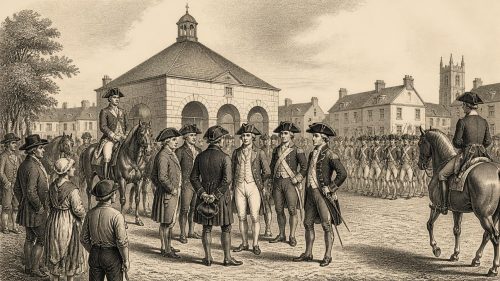
In 1782, Irish Patriots, supported by the predominantly Protestant Volunteer movement, secured major constitutional concessions during Britain’s wartime weakness. Dungannon resolutions, Henry Grattan’s parliamentary campaign and public mobilisation helped win repeal of the Declaratory Act, weakening British legislative supremacy, while Yelverton’s Act reformed Poynings’ Law and expanded Irish parliamentary initiative. The Catholic Relief Act eased property, educational and worship restrictions but withheld political equality. The settlement, later termed Grattan’s Parliament, preserved crown, empire, patronage and a narrow Protestant electorate. Meanwhile, poor harvests, rising prices and an export embargo revealed widespread insecurity. Ireland gained qualified legislative autonomy, not fully democratic self-government.
Read Article
Archived: 12 October 2026
Abstract
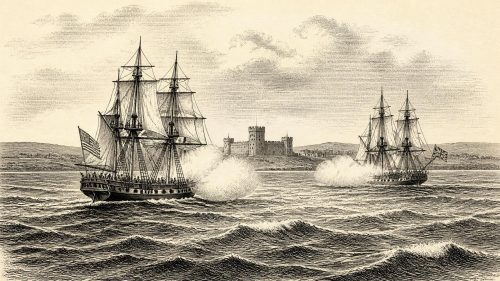
In 1778, Captain John Paul Jones’s Ranger captured HMS Drake off Carrickfergus, exposing Ireland’s weak coastal defences amid imperial war. Fear of attack encouraged Belfast’s first Volunteer company and similar locally organised Protestant corps, which later strengthened demands for political and commercial influence. Wartime disruption prompted limited trade concessions, though these fell far short of free trade and intensified Patriot dissatisfaction. Gardiner’s Catholic Relief Act improved property rights for qualifying Catholics but preserved political exclusion and most penal restrictions. Road building, cultivation, mapping and Dublin’s changing streetscape also reflected gradual improvement. Together, these developments revealed mounting pressures for Irish change.
Read Article

Archived: 14 October 2026
Abstract
In 1699, post-war Ireland remained shaped by land redistribution, Protestant security and contested trade. The Irish parliament concluded legislation imposing woollen export duties, supporting Church of Ireland clerical residences, protecting timber and regulating butter casks. Westminster's Woollen Act then barred most Irish wool and woollen exports to foreign markets, restricting a vital, widespread industry and encouraging, but not immediately replacing it with, linen. A parliamentary commission investigated Williamite forfeitures, reporting thousands attainted and over one million plantation acres affected, deepening uncertainty over titles. Anti-Catholic laws and proclamations restricted solicitors, arms and clerical jurisdiction. Dublin's print trade nevertheless demonstrated wider connections.
Read Article

Archived: 14 October 2026
Abstract
In 1673, Lord Lieutenant Essex’s proposed trade report portrayed Restoration Ireland through estimates of land, rents, livestock, housing, goods and scarce circulating coin, privileging taxable wealth over poorer households and local life. English restrictions on cattle imports encouraged exports of processed provisions, wool and fish through Dublin, Cork and Atlantic markets, although benefits were uneven. Essex governed within Protestant political dominance amid English anti-Catholic pressures. Investigation and hostility prompted Archbishop Peter Talbot’s departure for France, while October proclamations targeted Catholic arms, offices, clergy and institutions. Enforcement varied, but Catholic worship became more precarious. Presbyterians retained favour, illustrating selective confessional policy.
Read Article

Archived: 14 October 2026
Abstract
In 1671, Ireland’s unresolved Restoration settlement shaped politics, finance, trade and religion. Sir Richard Talbot’s petition for Catholic landowners prompted a commission under Prince Rupert, yet threatened no immediate reversal of confiscations. Viscount Ranelagh’s revenue-farming contract transferred collection and government payments to private financiers, provoking army officers’ complaints over arrears. Navigation legislation further constrained Irish colonial commerce, while Sir George Hamilton recruited 1,500 men for French service. Catholic bishops Peter Talbot and Oliver Plunkett maintained precarious church administration amid internal disputes. Scholar Dubhaltach Mac Fhirbhisigh died, while Dublin’s Hospital and Free School received a royal charter, strengthening organised urban charity.
Read Article
Archived: 14 October 2026
Abstract
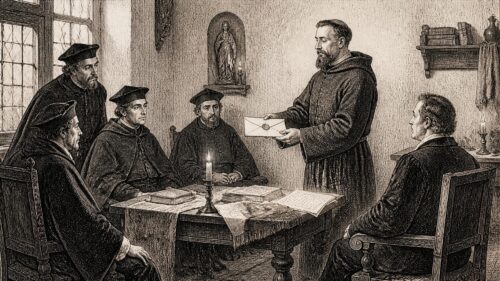
In 1668, Restoration Ireland was shaped by contested landownership, religious insecurity and English trade restrictions. Franciscan James Taaffe, claiming forged papal authority, convened clergy, appointed visitors and sought to discipline Catholic divisions over the Remonstrance. Rome repudiated him by October, while alarm over unauthorised papal jurisdiction hastened his collapse. Lord Lieutenant Ormond faced vulnerability and rivalry with the Earl of Orrery, who resigned the Munster presidency. Debt, estate rebuilding and inheritance reflected post-war recovery and unresolved confiscation. English cattle-import prohibitions constrained livestock producers, prompting commercial adaptation. Deaths of George Hamilton and Patrick D'Arcy highlighted property succession and the Catholic generation.
Read Article




