Archived: 11 October 2026
Abstract
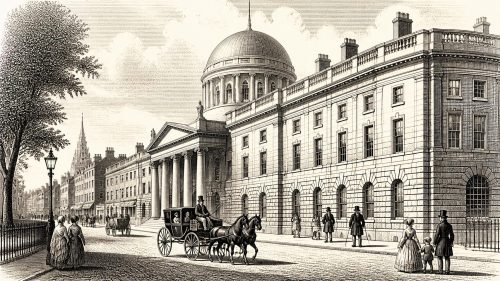
In 1808, seven years after the Union, Ireland experienced political subordination, wartime economic activity and Catholic institution-building. The Bank of Ireland opened in Dublin's former Parliament House, symbolising the loss of domestic legislature and the growing importance of finance and commerce. Catholic petitions, presented by Henry Grattan, sought equality but were overwhelmingly rejected at Westminster; controversy over a proposed royal veto on bishops deepened divisions. Meanwhile, the Patrician and Presentation Brothers were founded, and Cork's North Cathedral was dedicated. Cork Harbour dispatched Wellesley's expedition to Iberia, while Nelson's Pillar foundation and Mary Leadbeater's poetry reflected imperial commemoration and cultural life.
Read Article
Archived: 11 October 2026
Abstract
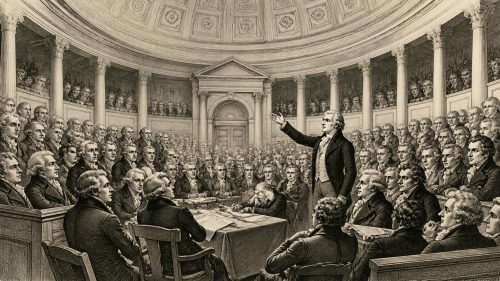
In 1800, Ireland remained a separate kingdom with its own parliament, courts and administration, but the Acts of Union passed in Dublin and London, ending its legislature from 1 January 1801. Cornwallis and Castlereagh secured support amid patronage, compensation and opposition led by Henry Grattan. The Union transferred limited Irish representation to Westminster, preserved the established Protestant church, and left Catholic emancipation unresolved. Post-rebellion repression continued, including Roddy McCorley’s execution, while food scarcity prompted controls on distilling and exports. Parliament also regulated trade, institutions and local improvements. Dublin retained political activity yet faced loss of its resident legislature and disruption.
Read Article
Archived: 11 October 2026
Abstract
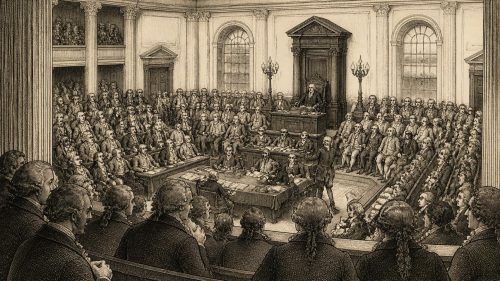
In 1799, post-rebellion Ireland remained militarised and insecure as Cornwallis and Castlereagh sought legislative union with Great Britain. Their proposal was defeated in the Commons, where Speaker John Foster led a narrow anti-union majority, although the Lords approved it. Public celebrations reflected resistance, but the unrepresentative Dublin parliament excluded Catholics. During the pause, government prepared to rebuild support through patronage. Courts martial, disturbed-district proclamations, prosecutions and transportation continued, tempered by Cornwallis’s commutations. Catholic bishops considered state oversight of appointments, while lay Catholics opposed union. Autumn rains damaged potatoes, raising subsistence fears amid wartime financial disruption. Ireland nevertheless faced constitutional change.
Read Article

Archived: 12 October 2026
Abstract
In 1790, Ireland combined institutional development with deep political and social exclusion. Parliament was dissolved and elections returned 300 MPs, yet power remained Protestant, propertied and shaped by patronage. John Keogh’s Catholic Committee revived constitutional campaigning for relief. Commercial improvement advanced through Royal Canal construction, Boyne navigation legislation and substantial linen exports, while Dublin’s Roomkeepers’ Society exposed severe urban poverty. Armagh Observatory opened under Archbishop Robinson, and work began on Emo Court. Although no national rebellion occurred, official concern over disorder reflected persistent agrarian and economic tensions. The year’s canals, charitable initiatives and learned institutions coexisted with inequality, foreshadowing turmoil.
Read Article
Archived: 12 October 2026
Abstract
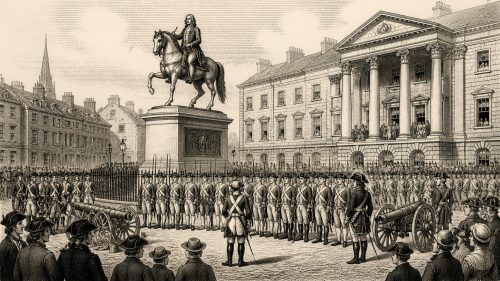
During 1779, war with France and Spain exposed Ireland’s defences, encouraging the growth of locally organised, predominantly Protestant Volunteers. Their armed presence strengthened a campaign for freer trade, prompted by imperial restrictions, falling agricultural prices and impaired credit. Merchants, producers and Patriot MPs, notably Henry Grattan, pressed the Irish Commons to seek commercial relief and use control of supply against government. On 4 November, Dublin Volunteers paraded artillery outside Parliament House, demanding free trade. Crowds added disorderly pressure. Britain promised concessions, although legislation followed later. The agitation linked popular mobilisation with parliamentary action and anticipated demands for Irish legislative independence.
Read Article

Archived: 12 October 2026
Abstract
In 1772, George Townshend’s departure and Simon Harcourt’s arrival as Lord Lieutenant altered Dublin Castle’s leadership without changing Ireland’s dependence on British imperial authority or its patronage-based, unrepresentative parliament. Ulster’s Hearts of Steel protest exposed rural insecurity over rents, leases, taxes and evictions; government answered with troops, targeted legislation and a later pardon, rather than structural reform. Parliament granted Catholics restricted long-term leases of bog land, a limited economic concession preserving wider penal disabilities. The London-Derry Journal’s foundation and revived siege commemoration illustrated print’s growing civic role. Meanwhile, linen, improvement and institutions coexisted with inequalities in land, religion and power.
Read Article
Archived: 12 October 2026
Abstract
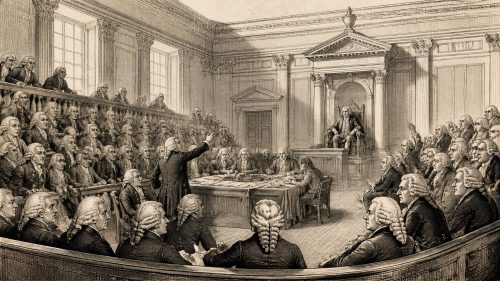
In 1769, Ireland’s octennial parliament confronted Dublin Castle when the Commons rejected a supply bill, 94–71, insisting that money measures must originate in the House rather than under Poynings’ Law. The dispute reflected Townshend’s effort to end dependence on undertakers Ponsonby and Shannon, while securing an enlarged army, approved in December. Catholic exclusion and borough franchises framed this Protestant contest. Elsewhere, James Agar was killed by Henry Flood in a Callan patronage feud; authorities suppressed labour combinations; Shannon navigation improvements culminated; and the Hibernian Society gained its charter. The supply vote exposed limits and prompted Castle plans to reshape administration.
Read Article
Archived: 12 October 2026
Abstract
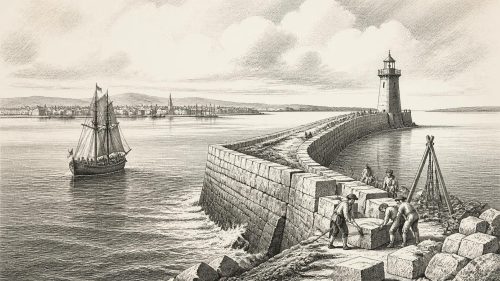
In 1768, Ireland’s Octennial Act received royal assent, limiting parliaments to eight years and prompting dissolution of the 1761 parliament and summer elections. Championed by Charles Lucas, it established regular electoral expectations but preserved Poynings’ Law, Protestant dominance and Catholic exclusion. Lord Lieutenant George Townshend’s proposed expansion of the Irish army was narrowly rejected, exposing conflict between Dublin Castle and parliamentary undertakers and encouraging his later patronage strategy. The new parliament did not sit until 1769. Elsewhere, Frederick Hervey became bishop of Derry, John O’Brien’s Irish-English dictionary appeared in Paris, and Poolbeg’s maritime works advanced Dublin’s commercial access and navigation.
Read Article
Archived: 12 October 2026
Abstract
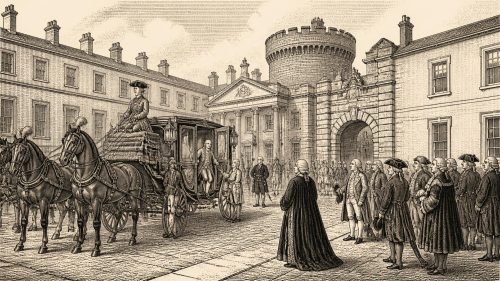
In 1767 George Townshend became resident lord lieutenant, strengthening Dublin Castle’s presence and preparing conflict with parliamentary undertakers led by John Ponsonby. Parliament debated increased Irish funding for imperial troops alongside proposals for regular parliaments and secure judicial tenure, though settlement came later. In Belfast, Lord Donegall’s extensive leases reshaped property, encouraged development and served estate income within the expanding linen economy. Dublin’s Magdalen Asylum, founded by Lady Arabella Denny, provided Protestant women relief, work and strict moral supervision. John O’Keeffe’s theatrical debut reflected cultural vitality. Together, these developments exposed Ireland’s commercial and institutional change amid narrow Protestant political control.
Read Article

Archived: 12 October 2026
Abstract
In 1750, George II chartered the Dublin Society for Promoting Husbandry and Other Useful Arts, formalising an elite-led body that encouraged agricultural, industrial and artistic improvement through premiums, advice and practical education. Its drawing-school association, though imprecisely dated, reflected efforts to train craftsmen. In December, the Duke of Dorset returned as lord lieutenant, reshaping political expectations before later conflicts over revenue and executive authority. Charles Lucas, writing from London, advanced civic arguments in print. Beneath these institutional developments lay restricted representation, Anglican privilege, penal disabilities, unequal commerce and rural insecurity, despite population growth, agricultural adaptation, and Ulster’s expanding linen economy.
Read Article
Archived: 13 October 2026
Abstract
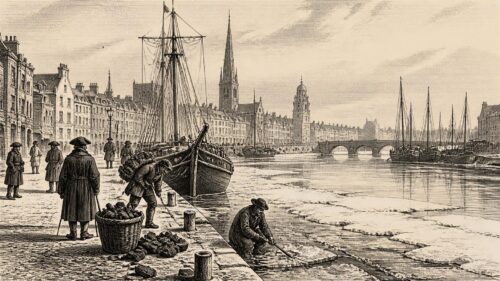
In 1739, Ireland’s unequal political and social order faced mounting pressures from justice, taxation, war, religious discrimination, infrastructure and weather. Lord Santry’s conviction for murdering Laughlin Murphy demonstrated aristocratic accountability but also privilege, as petitions later secured his pardon. Parliament raised duties to support imperial needs, while Britain’s war with Spain affected trade and prompted renewed Catholic disarmament; Catholic petitioners sought secure leases. The Dublin Society promoted flax, linen and road improvements, though storms revealed vulnerable bridges, mills and transport. After a wet summer disrupted harvests and turf cutting, severe frost soon arrived in late December, foreshadowing 1740–41’s catastrophic famine.
Read Article

Archived: 13 October 2026
Abstract
In 1731, Dublin witnessed institutional developments that illuminated eighteenth-century Ireland’s unequal political and social order. Thomas Prior, Samuel Madden and fellow Protestant elites founded the Dublin Society to promote agriculture, manufactures and useful knowledge, creating a forum for economic improvement. In October, the Irish parliament first met in Edward Lovett Pearce’s Parliament House on College Green, a grand but constitutionally constrained home for a legislature representing Protestants alone. Its session considered regulation and transport, including roads. Meanwhile, the Lords’ hostile inquiry into popery documented enduring Catholic worship, clergy, schools and religious communities, exposing the narrow social base of Protestant rule.
Read Article
Archived: 13 October 2026
Abstract
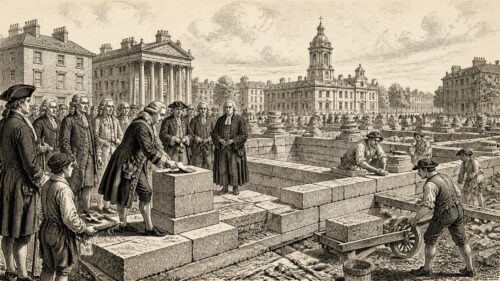
In 1729, Ireland displayed striking contrasts between elite ambition, commercial regulation and widespread hardship. Dublin’s new Parliament House began at College Green, while Castletown House was completed, both symbolising Protestant landed power despite Catholic exclusion from politics. Continuing scarcity after failed harvests left poorer households vulnerable to hunger, begging and displacement; Dublin expanded workhouse provision, combining relief with discipline. Jonathan Swift’s A Modest Proposal transformed these conditions into devastating satire. The Ballast Offices Act sought to improve provincial ports and maritime trade. Deaths of William Conolly, Archbishop William King and poet Aogán Ó Rathaille marked political, ecclesiastical and cultural transitions.
Read Article
Archived: 13 October 2026
Abstract
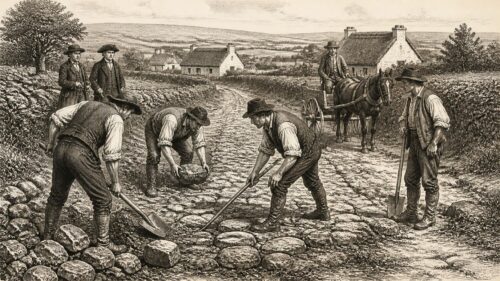
In 1710, Ireland’s Protestant parliament, operating under Queen Anne amid changing Whig and Tory influence, passed measures affecting revenue, property, trade and local administration. Its roads act required rural householders and tenants to provide up to six days’ unpaid labour, reflecting reliance on communal maintenance rather than modern infrastructure. Legislators promoted linen, regulated cattle, rents and timber, and imposed duties on consumer goods. Dublin Castle also suppressed Catholic assemblies in Meath, punished damage to William III’s statue, pursued tobacco thieves, and managed Palatine refugee settlement. Quarantine regulations for Baltic shipping showed Ireland’s exposure to continental war, migration, commerce and disease.
Read Article
Archived: 14 October 2026
Abstract
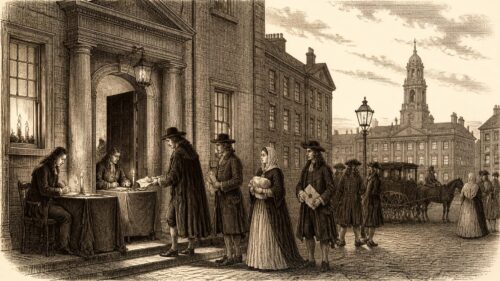
In 1700, the Act of Resumption required claimants to register interests in forfeited Irish estates at Chichester House, Dublin, producing over 3,000 claims involving families, creditors, tenants and purchasers. The process consolidated a post-Williamite Protestant order while exposing Catholic insecurity over land and rights. Ireland remained a separate but subordinate kingdom, governed through London-linked institutions amid confessional restrictions and commercial controls, notably woollen export limits. Agricultural life, regional trade and Dublin's growth continued under unequal conditions. Intellectual activity included Edward Lhuyd's antiquarian work, Ulster printing and George Berkeley's Trinity admission. Paperwork, property, religion and allegiance defined this unsettled post-war society.
Read Article




