Archived: 26 October 2026
Abstract
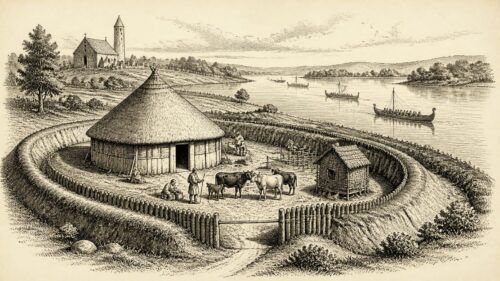
Annals conventionally place 993 amid a major mortality of people, cattle and bees, though its cause, scale and chronology remain uncertain. This crisis threatened subsistence, wealth and ecclesiastical resources. Political violence killed several local rulers in the midlands, Connacht and west, revealing fragmented lordship and Máel Sechnaill’s interventions. Brian of Munster led a naval expedition from Lough Ree towards Bréifne, while Mide suffered devastation and Dublin’s Norse-Gaelic politics remained unsettled. Meanwhile, Muirecán, Patrick’s successor, visited Cenél nÉogain and publicly affirmed Áed’s royal standing. The notices portray interconnected warfare, church authority, riverine mobility and vulnerable rural life throughout Ireland in 993.
Read Article
Archived: 29 October 2026
Abstract
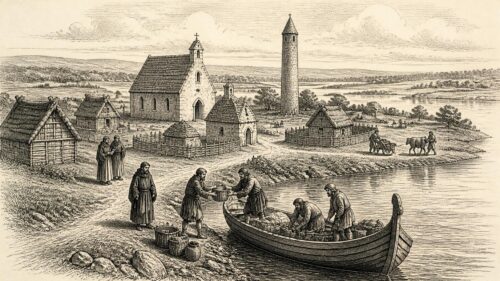
Conventionally dated to 843, despite annalistic chronological discrepancies, the year is chiefly recorded through deaths that affected Irish political, ecclesiastical and scholarly life. Máel Ruanaid son of Donnchad, king of strategically important Mide, died, leaving his dynasty poised for the later rise of his son Máel Sechnaill. Fergus son of Fothaid, king of Connacht, also died, creating uncertainty in another major province. Conglach, vice-abbot of Clonmacnoise, died after the monastery’s recent Viking plundering. Donnacán, an Irish scribe and anchorite, died in Italy, demonstrating enduring continental links. Viking pressure remained a background threat, although no battle is securely recorded for 843.
Read Article
Archived: 30 October 2026
Abstract
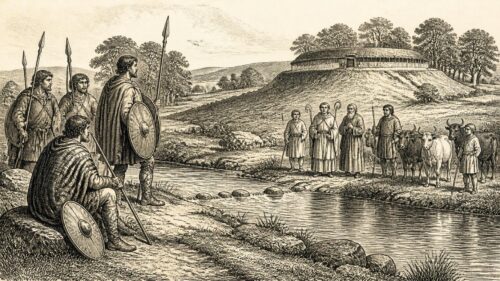
In annalistic year 766, Ireland’s fragmentary records reveal political rivalry and ecclesiastical links. Folloman, king of Mide, was treacherously killed after supporting Donnchad Midi, while fighting between Mide and Brega claimed Máel Uma and Donngal. In Connacht, Dub Innrecht’s Uí Briúin defeated the Conmaicne at Sruthair, killing many, including Áed Dub. In Munster, Uí Fhidgeinte and Araid Cliach defeated Máel Dúin at Énboth Breg. Crimthann, abbot of Clonfert, died, and Suibne, abbot of Iona, visited Ireland. These notices depict competing dynasties, powerful churches, and Irish Sea connections, while leaving ordinary life largely unrecorded and offer no evidence of Viking raids.
Read Article
Archived: 31 October 2026
Abstract
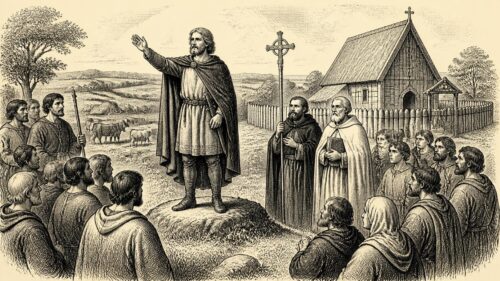
In 753 CE, Domnall Midi of Clann Cholmáin enforced the law of Colum Cille, publicly combining royal authority with the saint’s protection, privileges and ecclesiastical claims. The act reflected Ireland’s fragmented political order, where rulers, kin groups and churches negotiated power. Annals also record a solar eclipse, deaths of abbots and churchmen across Ireland, the death of Echaid, king of Uí Moccu Uais, slaughter among Connacht groups, and Ferblae’s death as a learned man. These terse notices reveal interconnected religious, political and economic communities. Chronological differences among annals require caution, although the eclipse is securely dated to 9 January 753.
Read Article


