Now Sharing: Articles (154) | Images (412) | Total Items Archived (566)
Our Mission: 100,000 Items | Total Percentage Achieved (0.57%)

Dutch Billy Houses, Mary Street

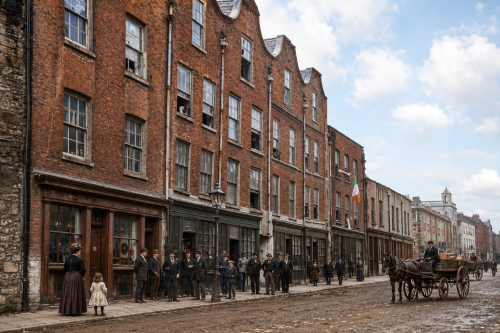
Dutch Billy houses were once a distinctive feature of Limerick’s Englishtown and Irishtown districts. Characterised by narrow brick façades, steeply pitched gables and tall windows, the style developed in Irish towns during the late seventeenth and early eighteenth centuries. Many examples survived along Mary Street into the early twentieth century, preserving the appearance of Limerick’s merchant quarters. Their name is traditionally associated with King William III, although the term was applied broadly to gabled urban houses of the period. By around 1900, these buildings stood as reminders of the city’s commercial growth, architectural character and changing streetscape across previous centuries.
Knockaderry House

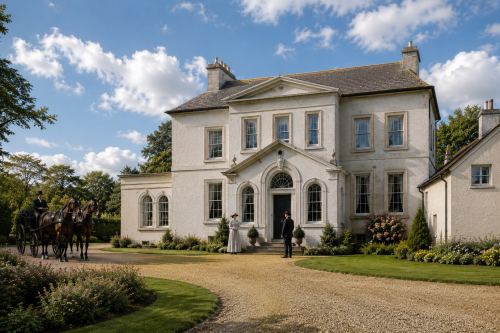
Knockaderry House, near Newcastle West in County Limerick, is an eighteenth-century country residence built around 1780. The detached, three-bay, two-storey house is distinguished by its balanced proportions, limestone eaves course and an attached architectural folly. Although now derelict, much of the original structure and historic fabric survives, allowing the building to retain a strong sense of its former character. The house is also remembered as the birthplace of pioneering Irish aviator Sophie Peirce-Evans. Set within the rural Limerick landscape, Knockaderry House remains an important reminder of the county’s architectural, social and aviation heritage for future generations to study and appreciate.

Champion Born

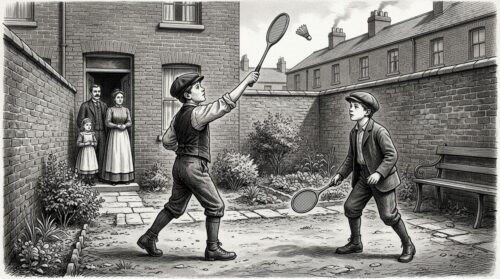
Joseph Francis Devlin, later known throughout international badminton as Frank Devlin, was born at 11 Wellington Place in Dublin on 19 January. He was the son of Joseph Edmund Devlin, a government official, and his wife, Elizabeth. Nothing surrounding the arrival of the child suggested that he would become one of the most successful competitors in the history of his sport. Badminton remained largely associated with private clubs, schools and middle-class recreation, but the game was developing rapidly. Devlin’s extraordinary ability would eventually carry an Irish player from domestic competition to sustained success at the most prestigious championship in the badminton world.

Unlikely Nurse

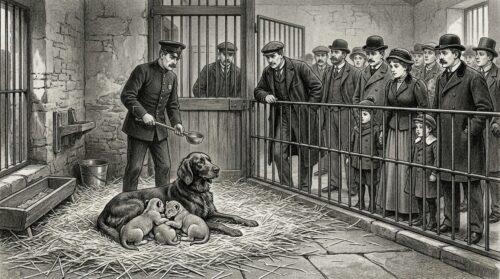
Three young lion cubs raised with the assistance of an Irish red setter were placed on public view at Dublin Zoo on 16 January, attracting attention to one of the most unusual episodes in the Gardens’ long breeding history. The cubs had been born to the lioness Hypatia, but she refused to nurse them. Keepers were therefore forced to seek another source of milk if the litter was to survive. A goat was first employed for several days before the setter assumed the role of foster mother, accepting the vulnerable cubs and feeding them alongside the close supervision of zoo staff.

Limerick from the Shannon, c. 1850s

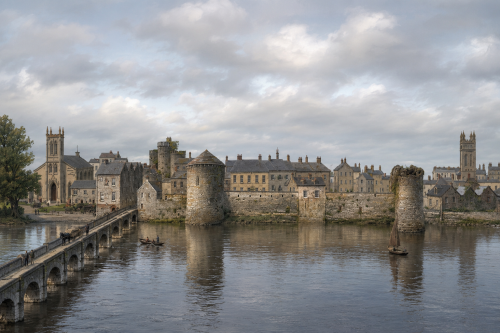
By the mid-nineteenth century, Limerick remained one of Ireland's most strategically significant river cities, its fortunes long tied to the Shannon as a route for trade, defence, and settlement. The medieval walls and towers still visible in this period recalled centuries of contested history, from Norman fortification to the sieges of the seventeenth century that shaped the city's identity. Alphonse Dousseau's romanticised depiction reflects a wider mid-Victorian fascination among European artists with Ireland's older townscapes, capturing Limerick at a moment when its historic core coexisted with the pressures of modernisation, emigration, and post-Famine recovery reshaping much of the country during this era.

Limerick Stone Cottage, 1937

This February 1937 photograph shows a weathered stone cottage in Limerick, with children gathered at its doorway and along the narrow street outside. The rough masonry, patched walls, boarded upper windows and low, sloping roof reveal the building’s age and modest condition. Electrical wires cross above the house, suggesting the gradual arrival of modern services within an older urban landscape. The children’s presence brings warmth and life to the scene, contrasting with the severe exterior and surrounding ruins. The image provides a valuable record of working-class housing, childhood and community life in pre-war Limerick during a period of social change.

Unity Fractures

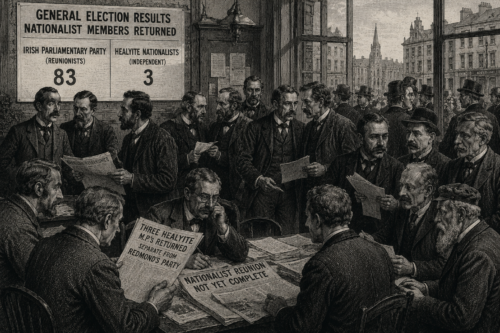
The completion of the general election has shown that the reunion of Irish parliamentary nationalism remains incomplete. Although John Redmond’s Irish Parliamentary Party has secured the overwhelming majority of nationalist seats, six supporters of Timothy Michael Healy have been returned outside the disciplined party organisation. The result will attract close attention among nationalists in Limerick city and county, where unity has been presented as essential to advancing Home Rule and land reform. Healy’s surviving parliamentary following demonstrates that the personal, clerical and local rivalries created during the bitter divisions of the 1890s have not been entirely overcome.

Glenduff Castle Restored

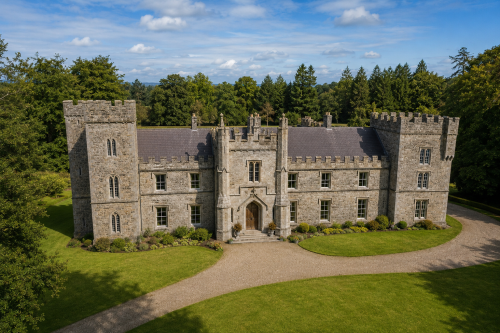
This reconstructed view presents Glenduff Castle in County Limerick as it may have appeared before its destruction in 1922. The imposing residence combines the fortified character of an earlier seventeenth-century tower house with the Gothic Revival additions created for the Ievers family around 1840. Tall crenellated towers, pointed windows, battlements and a formal central entrance give the building a commanding presence. Set within carefully maintained lawns and mature woodland, the castle reflects the scale and confidence of a nineteenth-century Irish country estate. The image offers a plausible visual impression rather than a definitive record of its original appearance or grandeur.

Treaty Stone

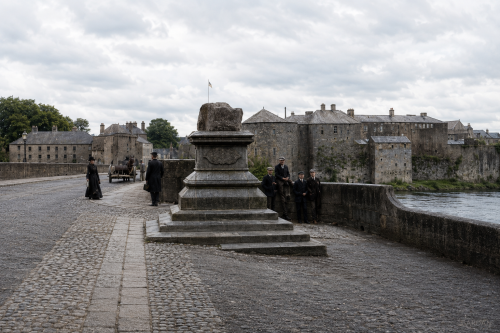
AI-assisted archival reconstruction showing the Treaty Stone on Thomond Bridge, Limerick, with the riverside castle buildings and historic bridge approach in the background. The scene presents the monument, cobbled roadway, bridge parapet, pedestrians, and horse-drawn traffic in a restored early twentieth-century setting, preserving the atmosphere of the original historical source image.

1916 Memorial, c.1940s

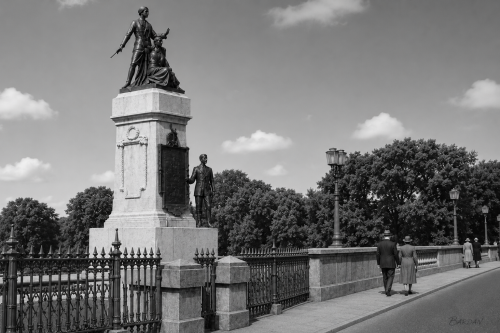
On Sarsfield Bridge in 1940s Limerick, the 1916 Memorial rises proudly beside the roadway, enclosed by green iron railings and watched over by elegant lamps. Its pale stone pedestal supports bronze figures commemorating the Rising, their solemn poses lending dignity to the riverside setting. Trees line the background, softening the urban scene and framing the monument against a bright open sky. Pedestrians in period dress walk along the bridge, suggesting ordinary city life continuing around a place of remembrance. The image captures civic pride, republican memory, and the enduring presence of national history within Limerick’s daily landscape and local identity.