
Archived: 21 October 2026
Abstract
On 5 November 1388, Galway’s burgesses publicly swore fealty to William Burke of Clanricarde, transferring royal local revenues, except customs, and demonstrating preference for regional protection over Richard II’s distant authority. Their bloodless revolt formed part of wider competing jurisdictions. Connacht suffered extensive warfare among O’Conor branches and allied lordships, involving raids, burning of homes and corn, prisoners, hostages and mercenary forces. Conflict also touched Assaroe and north-western territories, while violence killed learned men and a local lord. Fosterage linked Desmond’s heir with an O’Brien household. Despite de Vere’s fall, royal administration issued writs, but lacked effective command in Ireland.
Read Article
Archived: 21 October 2026
Abstract
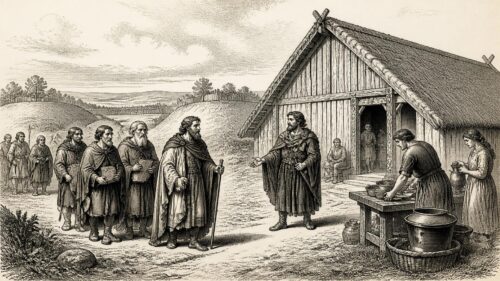
In 1387 Niall Ó Néill junior built a house at Emain Macha to support Ireland’s learned companies, linking Ulster lordship with cultural patronage. The year also saw deaths of chief poet Gofraidh Fionn Ó Dálaigh and historian-scribe Ruaidhri Ó Cianáin, illustrating networks sustained by aristocratic hospitality. Annals record feuding, killings and Nualaith Ó Fearghail’s capture in the Midlands, while Richard Óg de Burgh died in Connacht. In Munster, royal officials mediated discord between Desmond and Ormond. Deaths and marriages reflected ecclesiastical, kinship and Irish Sea connections. Sparse sources nevertheless show authority negotiated through force, patronage, reputation and learning across Ireland.
Read Article

Archived: 21 October 2026
Abstract
In 1386, Irish annals recorded local conflicts, raids and settlements rather than a single national event. Domnall Ó Conchobair’s coalition devastated Mac Wattin Barrett territory in Tirawley, killing leaders, taking a castle and destroying orchards. Connacht warfare shifted rapidly between raiding, pursuit, victory and negotiated peace among competing dynasties. Art Mór Mac Murchadha defeated the English of Ossory, while Midland feuds involved killings, castle seizures and hostage-taking. Richard II created Robert de Vere duke of Ireland, though he never visited; administration continued through deputies and chancery. Elite deaths and burials also marked status, kinship and lordship across a fragmented island.
Read Article
Archived: 21 October 2026
Abstract
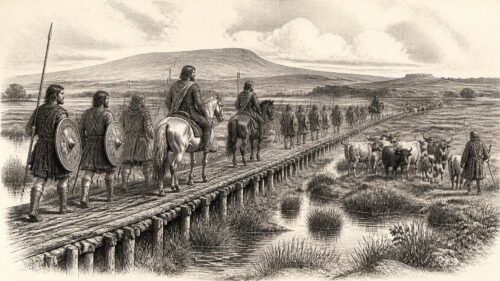
In 1385, Ireland comprised overlapping Gaelic and Anglo-Irish jurisdictions, where warfare shaped authority, movement and livelihoods. Murchadh Ó Conchobair of Uí Fhailghe and Cenél Fiachach defeated the English of Meath at Tóchar Cruacháin Brí Eile, killing the sheriff and many others, though lasting consequences remain unknown. Dublin appointed Alexander de Balscot chancellor, while appeals for Richard II’s intervention and Robert de Vere’s lordship grant exposed administrative weakness. Connacht endured organised burnings, cattle raids, crop destruction, killings, captivity and hostage-taking before a negotiated partition and peace. The year also recorded deaths of notable clerics, rulers, women and scholar Tanaide Ó Maolconaire.
Read Article
Archived: 21 October 2026
Abstract
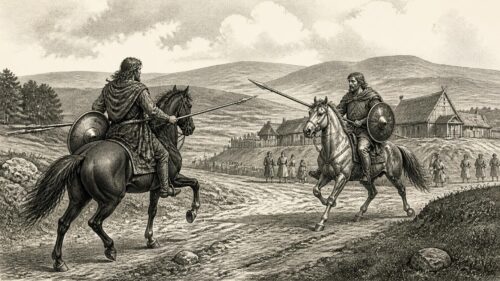
In 1383, fragmented Ireland experienced renewed royal administration, northern warfare and serious disease. Richard II appointed Sir Philip Courtenay lieutenant, who arrived at Waterford in September, while Ralph Cheyne served as chancellor. In Ulster, Niall Mór Ó Néill’s coalition burned and plundered territories associated with English lordship. During the campaign, his son Aodh Óg and Raibilin Savage fatally wounded one another, provoking further killing among the Bissets. Annalists reported widespread plague throughout Ireland, including the death in captivity of Art Magennis. Deaths, killings and successions among secular and religious leaders reveal local instability, while hospitality remained an important lordly ideal.
Read Article

