Archived: 21 October 2026
Abstract
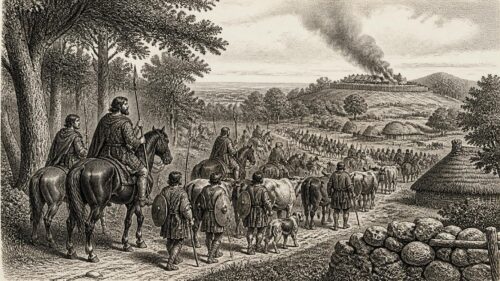
In 1419 Ireland experienced overlapping conflicts rather than a single national crisis. Eóghan Ó Néill, backed by northern allies, expelled Domnall Ó Néill from Tyrone, while Connacht forces burned Murbach and devastated Tírhugh. A major Connacht invasion of Clanricard ended in defeat at Bél Átha Lige, with heavy losses, captures and plunder. English lieutenant John Talbot’s administration seized Leinster’s Donnchadh Mac Murchadha, while Calbach Ó Conchobair escaped captivity. Succession disputes disturbed Breifne. Plague killed the scholar Dauid Ó Maolconaire; an unusually hot summer brought drought but abundant harvests. Deaths of poets, rulers and clerics highlighted patronage, learning and religious life.
Read Article
Archived: 21 October 2026
Abstract
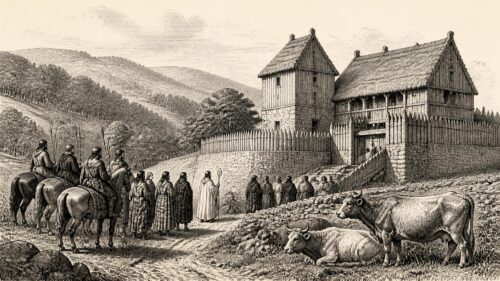
In 1417, the death of Art Mac Murchadha, king of Leinster, ended the career of a Gaelic ruler who had challenged English authority through warfare, negotiation and cross-community alliances. Annals disagree over the date and alleged poisoning, but emphasise his piety, hospitality and power; his son Donnchadh succeeded amid uncertainty after Diarmait Red-hand also died. Elsewhere, John Talbot’s cattle raid demonstrated uneven royal reach. Connacht saw Ruaidhrí Ó Dubhda’s succession, drownings, kin conflicts and hostage settlements. Burnings, killings and ecclesiastical involvement reveal pervasive local violence. Annalistic records also stress penitent deaths, kinship, burial and generosity, showing a fragmented Irish authority.
Read Article
Archived: 21 October 2026
Abstract
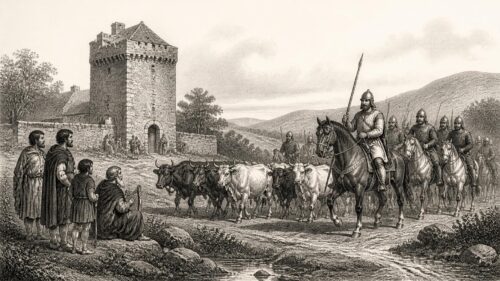
In 1415 Irish annals recorded fragmented connected conflicts across lordship Ireland. John Talbot, Lord Furnival, the king’s lieutenant, campaigned through Leix, Oriel and other districts, seizing a castle, killing or taking livestock, and executing Gerald of Geraldine descent. Chroniclers condemned his plundering of poets and alleged disregard for churches and sanctuaries. In Umhall, rivalry within the O’Malley kindred culminated in Aed O’Malley’s defeat and death, enabling Diarmait to assume the lordship. A January night attack at Cloonshee killed Tomaltach O’Birn and devastated a household. Annals noted clerical deaths, burial, capture, ransom, and cultural commemoration, depicting authority as mobile and coercive.
Read Article
Archived: 21 October 2026
Abstract
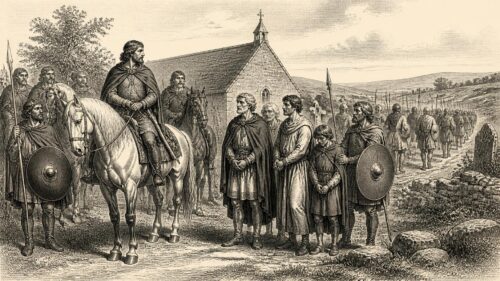
In 1414 Ireland experienced overlapping warfare, political manoeuvre, disaster and disease. Murchad Ó Conchobair and Fergal Ruad Mac Eochagáin defeated English forces from Meath at Cill Echi, killing prominent clergy and nobles and securing ransoms. In Tír Eógain, hostage exchanges restored Domhnall Ó Néill, while Mac Diarmata lordship changed hands. Fighting between Mac Murchadha rulers and Wexford forces brought capture, burning, plunder and further hostages. Sir John Stanley died, John Talbot became lieutenant and arrived late in the year. A candle fire destroyed Sligo’s Dominican monastery; a dean died; plague was reported in Meath and Leinster. Annalistic discrepancies require caution.
Read Article
Archived: 21 October 2026
Abstract
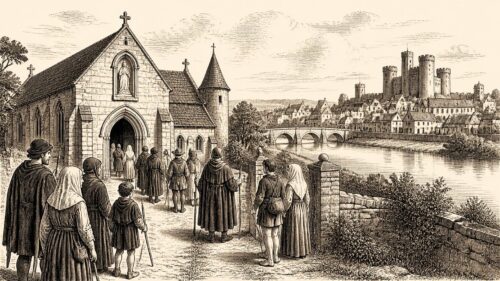
The surviving evidence for 1412 presents Ireland not as a single political unit but as a country of intensely local powers, connected by warfare, kinship, devotion and movement. Annalists recorded raids and counter-raids from the Moy to Fermanagh, the escape of a high-status captive from Dublin, a campaign across Connacht involving Gaelic and Anglo-Irish forces, and reports of miracles at a Marian shrine in Trim. These were not episodes on a national stage directed from one centre. They reveal overlapping lordships, towns and ecclesiastical institutions, each vulnerable to events beyond its own boundaries. A Violent Night in Tullyhunco The sharpest
Read Article
Archived: 21 October 2026
Abstract
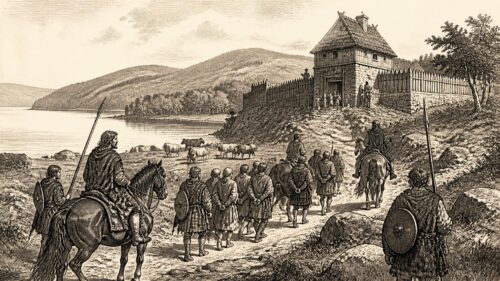
In 1410, Ireland’s political map was not a single kingdom directed from one capital but a field of overlapping lordships, kin-groups, towns and ecclesiastical territories. The year’s most striking recorded episode was the seizure of Domnall Ó Néill, lord of Tír Eógain, by Brian Mac Mathghamhna. Yet the annals also preserve a wider pattern: rulers and heirs dying, castles changing hands, cattle being driven away, a captive rival dying in Munster, and succession being managed amid danger. Taken together, these entries show how authority depended on personal alliances, control of strongpoints, inherited claims and the ability to reward followers.The surviving
Read Article

