1899 Ireland

University Demand

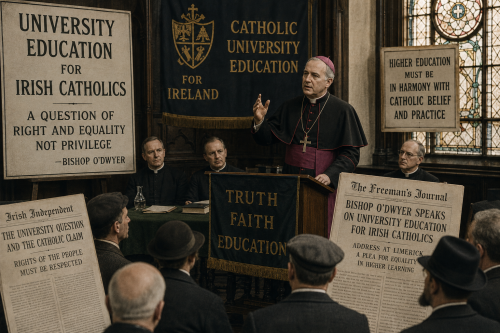
Bishop Edward Thomas O’Dwyer of Limerick delivered a prominent intervention in the continuing dispute over university education for Irish Catholics. He argued that the existing system failed to provide higher education on terms acceptable to the religious convictions of most of Ireland’s population. Catholic students could enter Trinity College Dublin or prepare for examinations through institutions connected with the Royal University, but church leaders maintained that neither arrangement offered a complete university environment shaped by Catholic belief and practice. O’Dwyer presented the question as one of educational equality rather than a request for clerical privilege.
Unity Resolutions

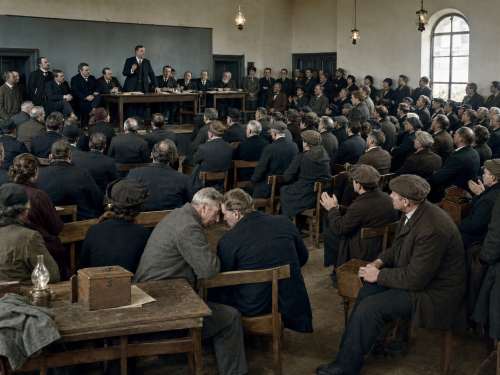
Local political organisations passed resolutions supporting a united Irish parliamentary representation as impatience grew with the divisions inherited from the fall of Charles Stewart Parnell. United Irish League branches, nationalist associations and constituency bodies increasingly argued that rival parliamentary groups should place national interests above personal quarrels. Their declarations carried no direct authority over individual MPs, but they reflected the opinion of activists who organised meetings, raised subscriptions and supplied much of the labour required during elections. Continued factionalism therefore threatened not only parliamentary effectiveness but the willingness of local supporters to sustain representatives who refused to cooperate.

Branches Demand

United Irish League branches pressed nationalist MPs to place national unity above personal disagreement as the organisation expanded during 1899. Founded at Westport in January 1898, the League combined agrarian agitation with a campaign to reconstruct the divided parliamentary movement. Local meetings and resolutions allowed tenant farmers, organisers and constituency workers to express impatience with leaders whose rivalries had weakened Irish representation since the fall of Charles Stewart Parnell. Branches possessed no constitutional power to command MPs, but their subscriptions, electoral labour and influence over candidate selection gave their appeals a force that Westminster politicians could not safely dismiss.

Unity Resolutions

Local political organisations passed resolutions supporting a united Irish parliamentary representation as dissatisfaction deepened with the factional divisions inherited from the fall of Charles Stewart Parnell. United Irish League branches, nationalist associations and constituency bodies increasingly treated reunion as a public obligation rather than a private matter for rival leaders. Their resolutions urged parliamentarians to restore cooperation, accept common discipline and present Ireland’s claims through one organised party at Westminster. Such declarations did not possess formal authority over every MP, but they demonstrated that continued separation risked alienating local supporters whose votes, subscriptions and organisational labour sustained constitutional nationalism.

Reunion Negotiations

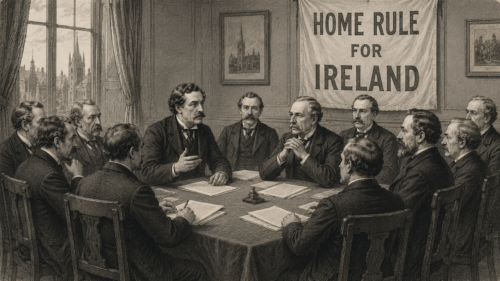
John Redmond’s Parnellite followers opened formal communications with their former anti-Parnellite opponents as pressure intensified to repair the divisions created by the fall of Charles Stewart Parnell. Since the parliamentary split of 1890, Irish constitutional nationalism had broken into competing groups whose leaders differed over authority, organisation and political strategy. Redmond led the principal Parnellite body, John Dillon commanded much of the anti-Parnellite majority, and Timothy Healy exercised influence through a separate following. Years of rivalry had weakened nationalist discipline at Westminster and frustrated supporters who believed that factional quarrels were obstructing Home Rule and land reform.

Now Sharing: Articles (154) Images (287) Total Items Archived (441)
Our Mission: 100,000 Items Total Percentage Achieved (0.44%)