Archived: 29 October 2026
Abstract
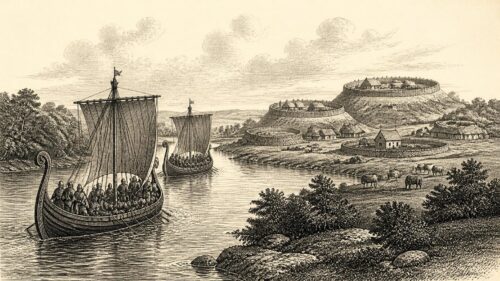
In 837, coordinated Scandinavian forces markedly intensified attacks on Ireland. Two fleets of sixty ships operated on the Boyne and Liffey, plundering Mag Life and Brega, including churches, forts and settlements. Brega's men defeated raiders at Deoninne and killed leader Saxolb, but the foreigners routed the Uí Néill at Inber na mBárc. Inland ecclesiastical centres, including Inis Cealtra and Lough Erne churches, suffered destruction or plunder. The heathens first took Áth Cliath, though no permanent Dublin settlement is proven before the 841 longphort. Political rivalries and provincial deaths compounded a fragmented response, making 837 an exceptional escalation in river-based raiding.
Read Article
Archived: 29 October 2026
Abstract
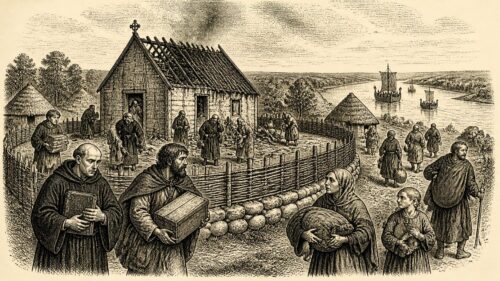
In 836, annalistic evidence depicts Ireland facing overlapping political, ecclesiastical, raiding and environmental pressures. Feidlimid mac Crimthainn of Munster seized and blockaded Kildare, apparently supporting Diarmait’s rival claim to Armagh against Abbot Forannán. Diarmait meanwhile carried Patrick’s law and insignia through Connacht, asserting Patrician authority. Scandinavian raiders plundered and partly burned Kildare, attacked southern Brega, devastated Connacht and defeated the northern Déisi. Connacht also suffered internal conflict at Drong. A remarkable abundance of nuts and acorns obstructed streams. Death notices for leading clerics reveal institutional continuity amid disruption, without suggesting permanent Viking settlement or Irish political unity at this time.
Read Article
Archived: 29 October 2026
Abstract
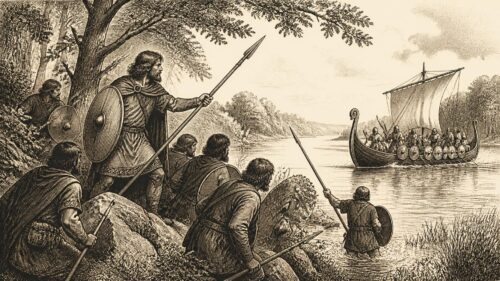
In 834, Irish annals recorded Scandinavian raids, local resistance, political killings, ecclesiastical deaths and a destructive fire, though their chronology and detail remain uncertain. Dúnadach son of Scannlán, king of Uí Fidgenti, defeated foreigners, demonstrating that Munster rulers could repel raiders. Glendalough, Slane and Finnabair Abha were plundered, illustrating the vulnerability of wealthy church communities across Ireland. Much of Clonmacnoise burned, but the cause is unknown. Deaths of Leinster’s king Cellach and other rulers altered local politics, while leading clerics died. Fragmentary records portray overlapping violence, instability and institutional continuity rather than a simple Viking conquest of Ireland in 834.
Read Article
Archived: 29 October 2026
Abstract
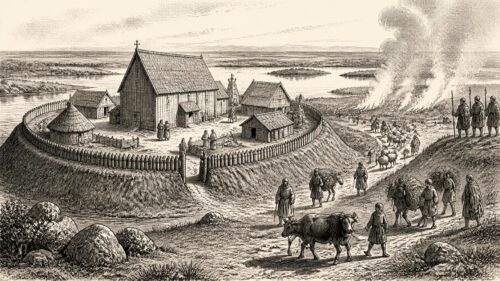
In 832, Irish annals recorded contested kingship, monastic violence and Scandinavian raids. Conchobor of Tara and Artrí of Armagh died, succeeded in Tara by Niall Caille, who defeated foreigners near Derry. Feidlimid of Cashel killed members of Clonmacnoise and Durrow and burned their protected territories, demonstrating that Irish rulers also threatened ecclesiastical centres. Cellach son of Bran attacked Kildare’s community. Foreign raiders plundered Clondalkin, burned Drumiskin and raided Loch Bricrenn, where Congalach died near ships. Regional rulers and churchmen also died, while Lismore and southern Munster suffered violence. The sources preserve consequences, but often omit motives, perpetrators and ordinary experience.
Read Article
Archived: 29 October 2026
Abstract
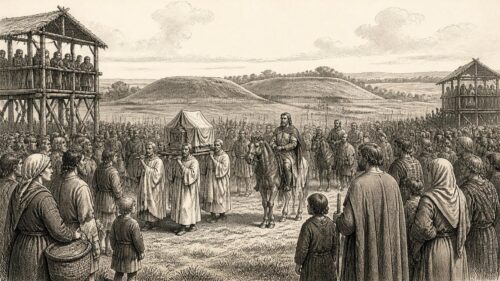
In annalistic 831, Ireland faced converging religious, political and maritime crises. At Tailtiu, dissension over Mac Cuilinn’s shrine and Patrick’s relics caused deaths during the royal fair. Scandinavian raiders defeated Armagh’s community at unidentified Aignig, taking many captives, and seized Conaille’s king Máel Brigte and his brother for removal by ship. Armagh also suffered royal coercion under Conchobor of Tara. Conchobor plundered Life, while Feidlimid of Cashel advanced against Brega with Munster and Leinster forces. Ecclesiastical deaths and relic movements underline church networks. The fragmented annals reveal contested authority, linking sacred prestige, warfare, captivity and seaborne travel across the island.
Read Article
Archived: 29 October 2026
Abstract
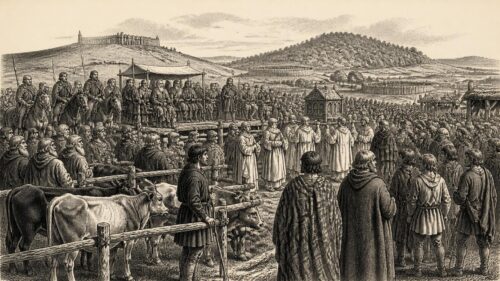
In 830, Ireland’s fragmented political and ecclesiastical powers collided at Tailtiu, where a dispute over Mac Cuilinn’s shrine and Patrick’s relics caused many deaths during the major assembly. Diarmait, abbot of Iona, returned with Columban sacred objects, illustrating ecclesiastical connections across the North Channel. Scandinavian raiders captured Conaille’s king and brother, and defeated Armagh’s community at Aignig. Armagh also suffered royal coercion from Conchobor of Tara. Feidlimid of Cashel campaigned into Meath, provoking Conchobor’s counter-raid. Death notices for Kildare, Movilla and Armagh leaders, alongside Óengus’s Martyrology, reveal enduring religious learning amid instability. The annalistic chronology itself remains uncertain and reconstructed.
Read Article


