Archived: 19 October 2026
Abstract
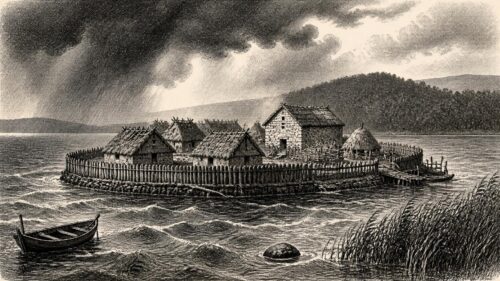
In 1477, annals depict Ireland as a patchwork of contested lordships, where kinship, land, ecclesiastical institutions and armed followings shaped power. In Tír Chonaill, Aodh Ruadh O’Donnell fought Neachtan O’Donnell’s sons, while Énrí O’Neill, supporting the rivals, devastated and burned Tírhugh. Fermanagh saw several Maguire deaths, alongside passing learned erenagh Matthew Ua Luinín and Ailbhe Maguire’s monastic association. Cormac Mac Carthaigh’s capture helped spread war across Munster; other dynastic killings occurred in Connacht and Leinster. A great wind damaged buildings, crannógs and stored produce nationwide. Kildare’s accession belongs to 1478, not 1477, according to contemporary annalistic and modern scholarly evidence.
Read Article

Archived: 20 October 2026
Abstract
In 1443, Muirchertach Ó Cellaigh briefly captured Athlone Castle, a key Shannon crossing, before James Dillon and William Boy Dillon recovered it; William Boy was killed, while Muirchertach received safe conduct. The episode illustrated contested authority and negotiated frontier politics. Annals also record deaths, feuds, raids, restitution and killings among Irish lordships, notably in Oriel, Ulster, Connacht, Ossory and the midlands. Aengus Mac Gilla-Fhinnein, abbot of Lisgoole, died on 17 September. Legal scholars Gilla na Naem Mac Aodhagáin and Hugh Mac Aodhagáin were commemorated. Differing annalistic dates complicate events in Thomond, showing Ireland's connected institutions amid persistent conflict and rivalry.
Read Article
Archived: 20 October 2026
Abstract
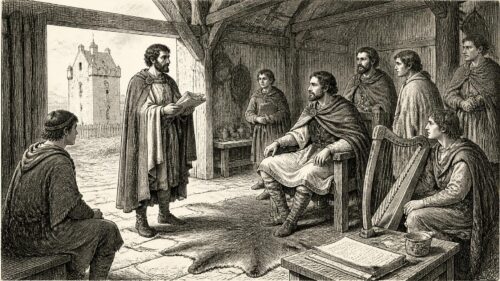
In 1438 Ireland remained divided among Gaelic lordships, Anglo-Irish communities and ecclesiastical jurisdictions, with power shaped by kinship, warfare and office. Archbishop Thomas Crawley died in England returning from the Council of Basel, linking Dublin to Church conflict, while Lionel, Lord Welles, became royal lieutenant. O’Conor Faly fought Meath’s English yet made peace with his brother. Captures, killings and depositions affected Maguires, O’Dowdas, O’Donnells and O’Briens. Deaths of bishops, clerics and heirs from disease disrupted institutions. Prominent jurists, historians and poets also died, demonstrating learned patronage’s continuing public importance. Annals record these crises unevenly rather than a unified national narrative.
Read Article
Archived: 20 October 2026
Abstract
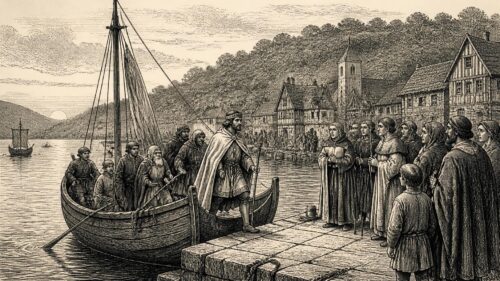
In 1428, Irish annals recorded no single national crisis but interconnected regional events. Aedh Mag Uidhir, a Fermanagh lord returning from pilgrimage to Compostela, died at Kinsale on 11 August and was buried at Cork, illustrating maritime, religious and political links. His death coincided with Maguire dynastic violence, including seizure of his sons’ castle and the killing of Aedh Óg. In Leinster, Donnchadh Mac Murchadha Caomhánach’s ransom, return and cooperation with English authority reflected negotiated power. Deaths of ecclesiastical and local rulers, notably a Mac Conmara chief, reveal hereditary offices, patronage, protection and peace as foundations of Ireland’s diverse lordships.
Read Article

Archived: 25 October 2026
Abstract
In 1263 Walter de Burgh received the earldom of Ulster from Lord Edward, strengthening his claims while facing persistent resistance in Connacht. His Roscommon expedition against Fedlimid Ó Conchobair failed to secure plunder and suffered losses in an ambush. De Burgh built a castle at Ath in Gail, Corann, seeking durable control of a contested district. Donn Ó Breisléin was murdered in Raphoe’s episcopal court. Deaths among bishops and monastic leaders, papal revenue demands, a notably hot summer, and northern sea connections were recorded. Conflicting annal dates caution against certainty over a Desmond expedition, whose chronology remains uncertain in sources.
Read Article

Archived: 26 September 2026
Abstract
In 1223 Ireland remained politically fragmented, with Henry III’s lordship concentrated in towns and lowlands while Gaelic rulers retained regional power. William Marshal’s Welsh campaign and Hugh de Lacy’s return heightened uncertainty in Ulster and Meath. In Connacht, local men captured William de Lacy’s built crannog. Clonmacnoise burned, destroying churches and valuables, though church construction continued at Tech Sinche. Episcopal deaths, resignations and elections altered ecclesiastical leadership, while Connacht lost clerical and political figures. Raiding, hostage-taking and violations of sanctuary exposed local conflict. A severe September wind damaged standing oats, underlining agricultural vulnerability. Annalistic dates and accounts require cautious interpretation.
Read Article

Archived: 26 September 2026
Abstract
Ireland in 1220 comprised competing lordships, Gaelic kingdoms, ecclesiastical communities and growing towns rather than a unified polity. Walter de Lacy’s attempted castle at Áth Liag was abandoned after Cathal Crobderg Ua Conchobair intervened, demonstrating limits to frontier expansion. Connacht’s succession remained insecure as a rival claimant sought western maritime support. At Derry, the successor to St Columba’s office prompted disputes resolved through local consent and Armagh’s arbitration. Papal intervention, church consecration and episcopal death illustrate religious connections and instability. Annalistic dating differs for several events. Trade, farming, crossings and markets linked regions, while conflict shaped movement, supplies and authority.
Read Article

Archived: 26 September 2026
Abstract
In 1201, Ireland experienced interconnected struggles for kingship, lordship and ecclesiastical authority. In Connacht, Cathal Crobderg Ua Conchobair, aided by northern rulers and John de Courcy, failed to dislodge his kinsman Cathal Carrach, who received William de Burgh’s support. De Courcy’s subsequent defeat near Kilmacduagh and arrest by the de Lacys revealed rivalries among Anglo-Norman magnates. Ulster saw the killing of Ruaidhrí Mac Duinnsléibe and dynastic change in Cenél nEógain. In Munster, de Burgh campaigned with Ua Briain princes before churchmen mediated peace. King John redistributed lordships, while episcopal deaths and papal activity heightened institutional uncertainty. Conflict remained unresolved thereafter.
Read Article

Archived: 26 September 2026
Abstract
In 1194, Domnall Mór Ua Briain’s death destabilised Munster, where his son Muirchertach’s accession was undermined by capture and blinding, while other Ua Briain and Mac Carthaig kin suffered killings, raids and betrayal. Ecclesiastical authority featured in the death of Killaloe’s bishop and the killing at Cashel despite legatine protection. Elsewhere, resistance expelled foreigners from Uí Fhinntain, Cú Mide Ua Flainn was killed, and Gillibert Mac Goisdelb’s Erne expedition failed. Across the Irish Sea, Richard I’s defeat of John enabled Walter de Lacy to regain Meath, demonstrating how Angevin politics reshaped Irish lordships amid local conflict, rivalry and uncertain authority.
Read Article

Archived: 26 September 2026
Abstract
In 1024, Ireland remained fragmented after Máel Sechnaill’s death, with authority contested among provincial dynasties, Norse-Gaelic towns and church interests. Leinster suffered upheaval when Úgaire, king of Leinster, and Máel Mórda of Uí Cheinnselaig were killed during Donn Sléibe’s seizure and burning of a house; Donn Sléibe was later slain. Fighting marked Corann, Ulster and the midlands, while Irish forces raided Foreigners for hostages and wealth. Ecclesiastical deaths, pilgrimages and attacks on Slane and Kildare demonstrated churches’ scholarly, economic and political importance. Cúán ua Lothcháin, Ireland’s chief poet-historian, was murdered, emphasising the learned class’s prestige amid endemic violence and instability.
Read Article
Archived: 26 October 2026
Abstract
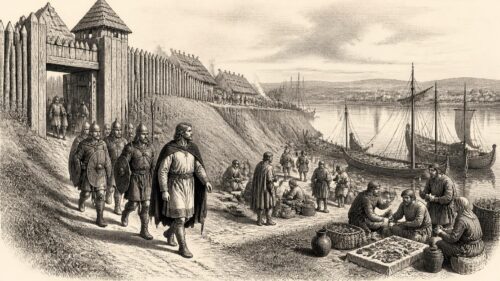
For Ireland, 979 is a year best approached through a small but unusually revealing cluster of annalistic notices. No surviving source supplies a continuous narrative, and none explains every motive or consequence. Yet the recorded capture of Domnall Claen, king of Leinster, by the foreigners of Dublin exposes the political weight of the Hiberno-Norse town at the mouth of the Liffey. Deaths and killings among rulers in Offaly, Dál Araide and Cenél Conaill show, at the same time, that power remained fragmented across many regional kingdoms. Notices of a Kildare church leader, a Clonmacnoise scholar-cleric and a foremost man of
Read Article
Archived: 26 October 2026
Abstract
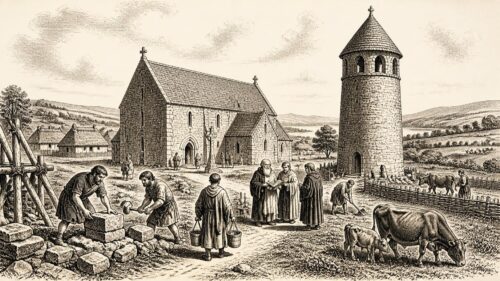
In 965 Ireland suffered a great famine, recorded by the Annals of Ulster as so severe that families reportedly sold children for food. Its causes and regional effects remain unknown, but scarcity threatened households, churches and political communities dependent on crops, cattle and stored resources. Domnall ua Néill, king of Tara, raided Connacht and took hostages from Ua Ruairc, while the Uí Channannáin won a battle killing Domnall. Ecclesiastical successions and deaths occurred at Tír dá Glas, Lismore and Armagh. Chronicon Scotorum associates bishop Cormac Ua Cillín with Tomgraney's church and bell-house, though its construction date and form remain uncertain.
Read Article
Archived: 26 October 2026
Abstract
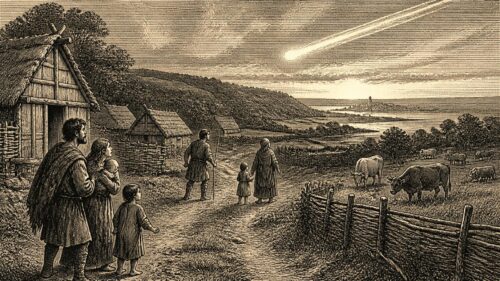
Conventionally assigned to 961, though annalistic chronologies differ, the year is chiefly marked by a reported fiery arrow travelling across Leinster from the south-west towards Áth Cliath, killing people and livestock. Its nature and stated thousand deaths remain unverifiable, but the notice records an exceptional environmental shock affecting agrarian communities and Dublin’s hinterland. The annals also note deaths of rulers in Uí Briúin Seóla, Dartraige and Cashel, the latter two killed by their own people, revealing unstable regional lordship. Ecclesiastical leaders at Clogher, Cork and Lismore died, underscoring churches’ institutional importance. Together, the entries depict politically fragmented, interconnected tenth-century Ireland.
Read Article
Archived: 27 October 2026
Abstract
In 932, Irish annals recorded the death of Aengus son of Aengus, probably chief poet of Ireland, indicating the public importance of learned culture and its links with churches and aristocratic patrons. They also note Flann son of Máel Sinna, king of Brega, killed by the Uí Echach, alongside the deaths of Loingsech of Dál Araide and Colla of Norse-Gaelic Limerick. These notices reveal competing regional powers, unstable succession and maritime connections. Differing annalistic chronologies prevent precise dating of related events. Beyond elite records, political changes could directly affect farming, obligations, travel and security, though no nationwide catastrophe is evidenced.
Read Article
Archived: 27 October 2026
Abstract
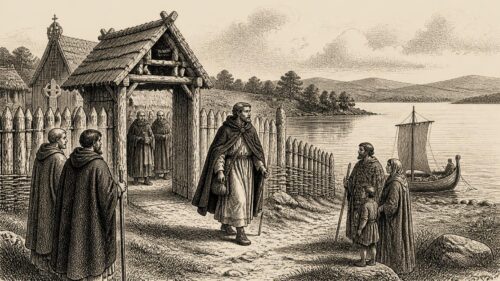
In 929, sparse annalistic evidence illuminates Ireland’s political, ecclesiastical and maritime connections. Céile, successor of Comgall of Bangor, died on pilgrimage in Rome on 14 September, demonstrating Irish links with Latin Christendom. Donnchad Donn, king of Tara, led an armed expedition against Muirchertach mac Néill at Liathdruim, apparently without a recorded battle. A fleet appeared on Lough Corrib, reflecting the strategic significance of inland waterways. Death notices for Tuathal, bishop and scribe, and Fínnechta, Ciarraige Luachra king, anchorite and counsellor, reveal intertwined religious learning, institutional authority and regional lordship. Differing annalistic dates require interpretation across competing manuscripts and chronological systems.
Read Article
Archived: 28 October 2026
Abstract
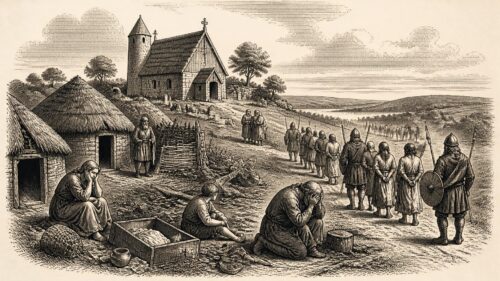
In 895, during the year, according to annalistic chronology, Dublin raiders led by Glún Iarainn plundered Armagh, reportedly carrying off 710 captives and damaging its church. The attack exposed the vulnerability of a major ecclesiastical and political centre. Elsewhere, Dub Lachtna of Caisel and churchman Máel Petair died; Cellach, Brega’s leading heir, was treacherously killed; and Muiredach of Ulaid fell in regional conflict. Heavy snowfall and great scarcity disrupted subsistence, likely worsening hardship without proving direct causes for violence. These fragmented records portray Ireland as interconnected kingdoms and churches, where sacred wealth, political succession, and ordinary survival remained precariously entwined.
Read Article
Archived: 29 October 2026
Abstract
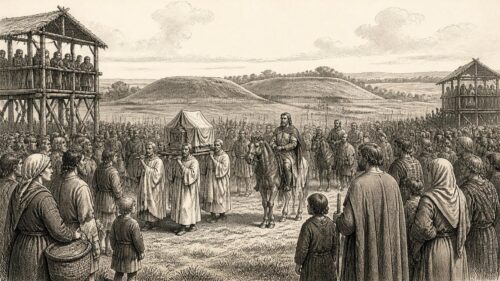
In annalistic 831, Ireland faced converging religious, political and maritime crises. At Tailtiu, dissension over Mac Cuilinn’s shrine and Patrick’s relics caused deaths during the royal fair. Scandinavian raiders defeated Armagh’s community at unidentified Aignig, taking many captives, and seized Conaille’s king Máel Brigte and his brother for removal by ship. Armagh also suffered royal coercion under Conchobor of Tara. Conchobor plundered Life, while Feidlimid of Cashel advanced against Brega with Munster and Leinster forces. Ecclesiastical deaths and relic movements underline church networks. The fragmented annals reveal contested authority, linking sacred prestige, warfare, captivity and seaborne travel across the island.
Read Article
Archived: 29 October 2026
Abstract
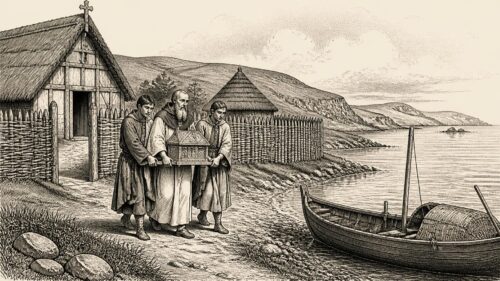
In 828, as calibrated in the Annals of Ulster rather than the displaced Viking material assigned to 827, Ireland’s record combines deaths, violence and religious travel. Muiredach of Leinster and several lesser kings died, alongside leading churchmen and an ecclesiastical steward, illustrating layered political and institutional authority. Conaing was treacherously killed, while Mide defeated Connacht in an otherwise unexplained battle. Diarmait, abbot of Iona, carried Colum Cille’s relics to Scotland, demonstrating maritime links within the Columban world, although no motive is recorded. The sparse evidence depicts a fragmented yet connected society shaped by rulership, warfare, churches, economy and sea routes.
Read Article
Archived: 29 October 2026
Abstract
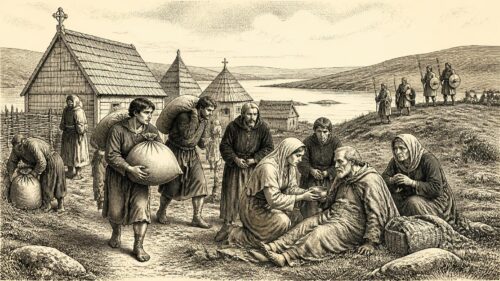
Conventionally dated 825, though annalistic chronologies vary, this cluster of Irish events records pestilence, famine and bread scarcity affecting vulnerable people across Ireland. Raiders plundered Downpatrick, Movilla and Inis Daimle, but Ulaid defeated them at Mag Inis; elsewhere raiders routed Osraige. Blathmac son of Flann was killed on Iona, later commemorated as a martyr. Numerous prominent clerics and several kings died, highlighting fragile religious and political networks. Armagh’s bishop Artrí extended Patrick’s law over Connacht, asserting ecclesiastical authority. The notices do not describe a unified national crisis but reveal overlapping hardship, violence, leadership losses and competing regional authority within Ireland.
Read Article
Archived: 29 October 2026
Abstract
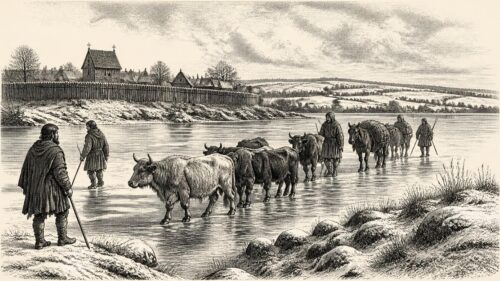
Annals conventionally dated to 821 depict severe winter conditions, when ice enabled livestock and laden traffic to cross waters, reshaping movement across Ireland. Political rivalry centred on Brega: Murchad of Cenél nÉogain gained secret submissions after reaching Ard Brecáin, while Conchobar of Mide later campaigned there, inflicting heavy losses and compelling Uí Chernaig submission. Other killings involved Ard Ciannachta. In Connacht, Uí Briúin suffered defeat at Tarbga; in Bréifne, Cenél Feidlimthe killed King Máel Dúin. Local groups also defeated the Delbna. Deaths of leaders at Birr and Achad Bó underline monasteries' political, economic and scholarly importance amid fragmented, competing lordships.
Read Article
Archived: 29 October 2026
Abstract
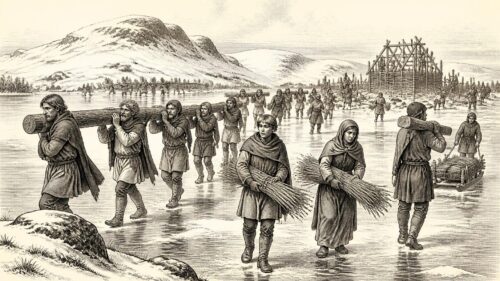
In 818 Ireland experienced an exceptional winter, with rivers and lakes frozen from Epiphany to Shrovetide, enabling travel, hunting and the transport of building materials across Lough Erne. Politically, Áed Oirdnide intervened in Leinster after Muiredach son of Bran’s death, redistributing authority among Bran’s grandsons. Churchmen carried saints’ shrines through Munster and Connacht, while violence breached ecclesiastical protection. In Connacht, Uí Briúin kings defeated Uí Maine at Forath amid regional rivalry. Deaths of abbots and rulers marked shifting local power. On 21 October, fire destroyed a third of Clonmacnoise, damaging a major ecclesiastical settlement and its communities’ buildings and livelihoods.
Read Article
Archived: 30 October 2026
Abstract
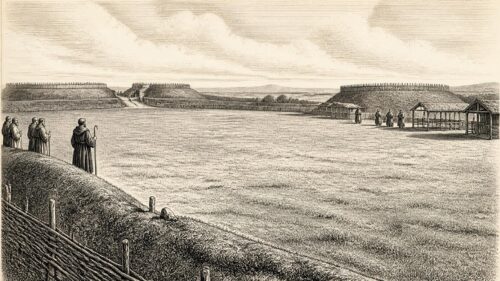
In 810, Tallaght’s monastic community prevented the royal fair at Tailtiu after the Uí Néill violated its sanctuary, leaving the assembly devoid of expected horses and chariots. Subsequent gifts to Tamlacht indicate public redress and demonstrate ecclesiastical leverage over Áed son of Niall’s kingship. Nuadu, abbot of Armagh, carried Patrick’s law and a casket to Connacht, extending Patrician claims without recorded outcome. The Ulaid defeated Scandinavian raiders, the first surviving annalistic Irish victory, though details remain unknown. Death notices recall monastic and aristocratic life, while the disrupted fair depended upon agricultural surplus and rural exchange across early medieval Irish society.
Read Article
Archived: 30 October 2026
Abstract
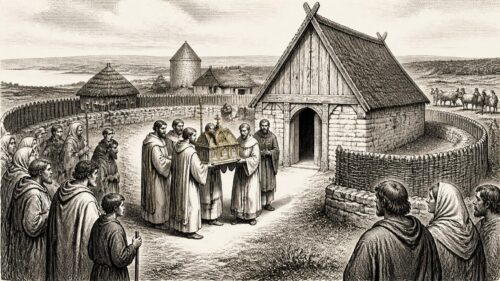
In 801, Irish annals record the enshrinement of relics of Rónán son of Berach at Dromiskin in a gold-and-silver casket, demonstrating monastic wealth, patronage and saintly prestige. Bresal son of Ségéne died after thirty-one years as abbot of Iona, a major Columban centre linked to Ireland; no raid there is attested that year. Warfare between the Ulaid and Uí Echach Coba killed Echu son of Ailill and Cairell son of Cathal, although Cairell’s force won. Obits included abbots, nobles, Be Fáil and the anchorite Ninnid. Bresal of Cenél Loégairi was murdered by kinsmen. Rainy summer affected society reliant on farming.
Read Article
Archived: 30 October 2026
Abstract
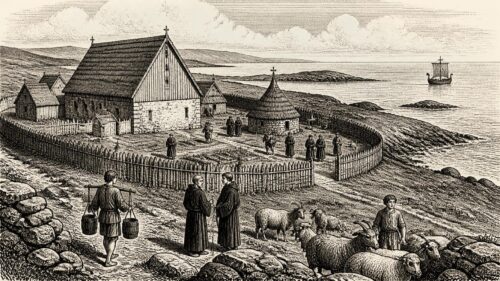
In 796, the Annals of Inisfallen briefly recorded heathens in Ireland, indicating the presence of non-Christian outsiders amid early Viking activity, but providing no evidence for a raid, landing site, settlement or permanent colony. Nearby annals record attacks on islands and churches, though chronology and corroboration remain uncertain. The same year saw the deaths of Colla son of Fergus, king of Connacht and rival to the rising Muirgius, and Máel Coba, king of Ciarraige Luachra. These events reveal politically fragmented, rural Ireland, where powerful churches and coastal communities faced emerging maritime threats without abandoning established dynastic, economic and religious life.
Read Article
Archived: 30 October 2026
Abstract
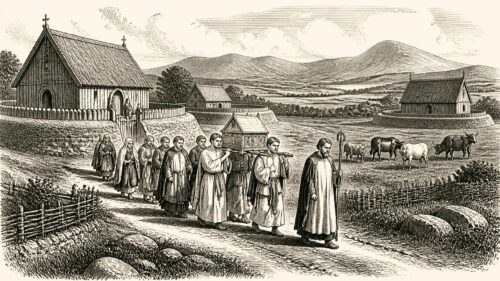
The Irish annal entered under AD 789 in the modern edition of the Annals of Ulster presents a country of intensely local politics, powerful churches and fragile material settlements. Its internal annal number is U790, a reminder that early Irish chronologies require care; nevertheless, the editor’s calendar heading places the cluster of notices considered here in 789 CE. The record does not describe one national event. Instead it preserves sharp glimpses from Connacht, Ulster, Leinster, Munster and the Dublin region: a battle at Áth Rois, deaths among kings and abbots, a major killing in the north-east, a church burned, and,
Read Article
Archived: 30 October 2026
Abstract
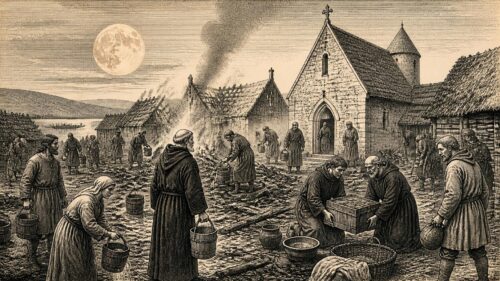
In 787, Irish annals record the death of Máel Dúin, king of In Fochla, creating a transition within the Cenél nÉogain dynasty rather than a national succession. In Connacht, Ciarán of Clonmacnoise’s law was proclaimed, extending ecclesiastical authority and protections with secular support after unrest. Deaths of abbots and bishops at several churches illustrate religious institutions managing land, learning and ritual. Daire Calgaid, probably Derry, suffered a fire of unknown cause. Annalists also noted a blood-red Moon on 18 February, preserving a celestial observation without establishing its explanation. These entries reveal intertwined political, religious and authority in early medieval Ireland.
Read Article
Archived: 30 October 2026
Abstract
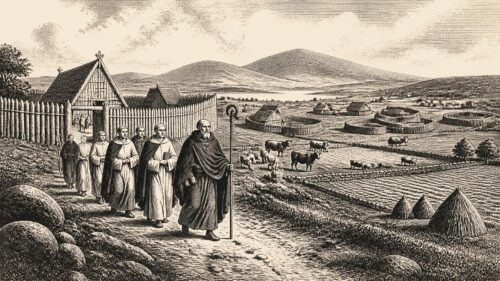
In 786, annalistic evidence depicts Ireland as politically fragmented but connected by ecclesiastical networks. In Connacht, the Uí Briúin were defeated at Gola, while the Uí Fhiachrach of Muirisc killed Flaithgal of Umall and his nobles; Tipraite of Connacht and Conall of Uí Maine also died. In the north, Máel Dúin of Cenél nEógain defeated and expelled Domnall of Cenél Conaill. Dub dá Bairenn, abbot of Clonard, visited Clonard’s Munster ecclesiastical sphere. Deaths among abbots, bishops, scholars and ascetics, notably at Kildare, underline church institutions’ importance. They nonetheless show clearly volatile local lordship, rural dependence, and durable religious authority throughout.
Read Article
Archived: 30 October 2026
Abstract
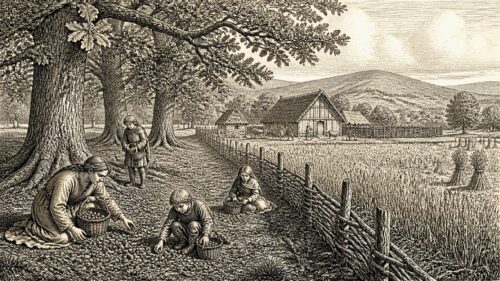
In 773, securely dated by a December lunar eclipse, Ireland experienced exceptional drought and heat, causing widespread failure of staple bread-grain. Abundant oak-mast, or acorns, offered limited relief, particularly through pig fodder, but did not erase subsistence pressures. Donn Cothaid, king of Connacht, died, prompting a dynastic transition later associated with Flaithrí of the Uí Briúin. Annals also recorded deaths of Maenach of Sláine, scribe Dainél of Letuba, several abbots and bishop Aedán, Lerthan, abbess of Kildare, and Áed of Rechru. These notices reveal interconnected environmental, political and ecclesiastical vulnerabilities, while preserving only limited detail about local consequences for communities.
Read Article
Archived: 31 October 2026
Abstract
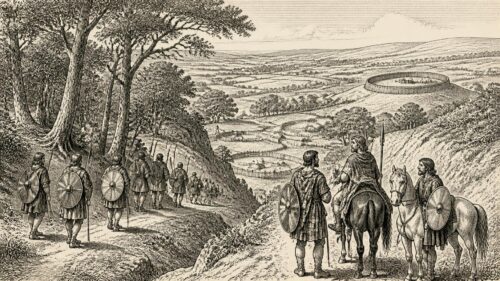
In 761, Irish annals record localised dynastic conflicts rather than an island-wide crisis. At Belach Gabráin, probably near Gowran, Osraige under Anmchad son of Con Cú Cerca defeated a Leinster force; Donngal son of Laidcnén, king of Uí Chennselaig, was killed. The repeated fighting there, also noted in 759, reflected competition for frontier routes and resources. At Áth Duma, Ulaid fought Uí Echach and Ailill son of Fíelmid died, amid north-eastern rivalries. Annals also note Pictish king Óengus’s death, illustrating Irish interest in interconnected British politics. Sources reveal changing political relationships but omit causes, numbers, civilian effects and battlefield detail.
Read Article
Archived: 31 October 2026
Abstract
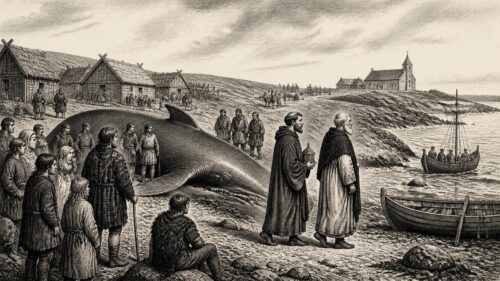
In 752, Irish annals recorded a darkened sun, the deaths of prominent abbots and scholars, and violence between the Uí Ailella and Grecraige. They also report that Domnall Midi, king of Tara, enforced the law of Colum Cille, linking royal authority with the Columban church’s claims to protection and prestige across Ireland and the Irish Sea. Most memorably, a whale stranded at Bairche in Ulaid was said to possess three golden teeth, one placed on Bangor’s altar. Though implausible literally, the tale reflects medieval connections between natural wonders, wealth, sanctity, political power, and ecclesiastical public memory within this fragmented record.
Read Article





