Membership is completely free, giving members unlimited access to all available resources, services, features, and benefits without any restrictions or fees.
Welcome back. Sign in to continue enjoying unlimited access to all available resources, services, features, and member benefits at no cost.
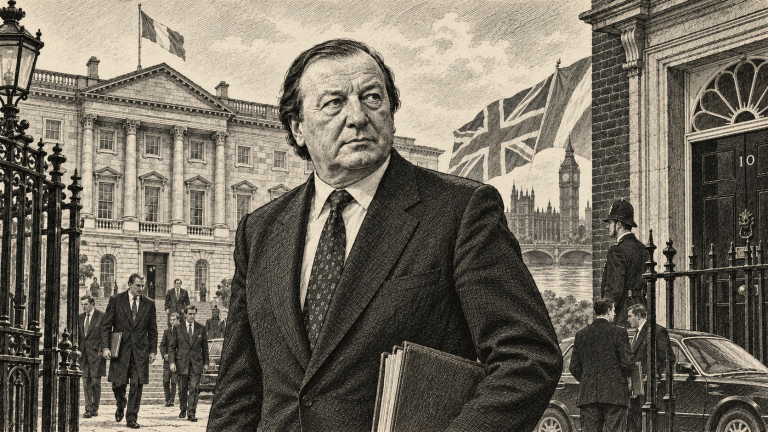
Dublin was officially inaugurated as European City of Culture in March 1991, succeeding Glasgow. The designation brought a year-long programme of performances, exhibitions, commissions and community projects. Ceremonies at the Mansion House, St Stephen’s Green and the National Concert Hall marked the opening, with Taoiseach Charles Haughey among those attending. The programme sought to present Dublin not merely as an historic capital but as a contemporary European city with a lively artistic life.
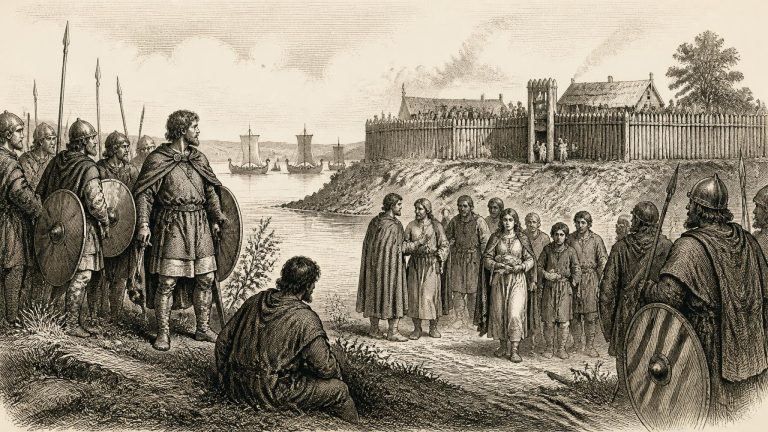
Under the annal-year 980, Domnall ua Néill, overking of Ireland and king of Tara, died at Armagh after penance. His death made succession urgent among the dominant Uí Néill kindreds. Máel Sechnaill, son of Domnall mac Donnchada of Clann Cholmáin in Mide, emerged as the new ruler. Chronicon Scotorum explicitly says that he began to reign over Ireland, while the Annals of Tigernach record that “Máel Sechnaill the Great” began to rule. Such titles reveal political aspiration as much as settled constitutional fact. They nevertheless show that contemporaries or near-contemporaries understood this as a transfer of authority of island-wide consequence.