
Archived: 26 September 2026
Abstract
In 1200, Ireland remained politically fragmented, with Gaelic lordships, Anglo-Norman magnates and royal officials exercising overlapping authority. Connacht’s Uí Conchobair succession struggle dominated events: Cathal Carrach, backed by Munster Anglo-Normans, notably William de Burgh, expelled Cathal Crobderg and regained the kingship. Warfare devastated territories and churches, while raids in Tír Eógain and Armagh demonstrated shifting cross-cultural alliances; Áed Ó Néill defeated Ulidian raiders. King John reappointed Meiler fitz Henry as justiciar and confirmed de Burgh’s Tibberaghny holding, strengthening royal structures without establishing island-wide control. Clerical deaths and ecclesiastical records underline churches’ continuing economic, social and intellectual importance amid widespread conflict.
Read Article
Archived: 26 September 2026
Abstract
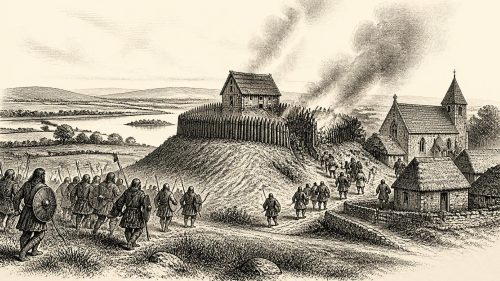
In 1189, Ireland remained divided among Anglo-Norman lordships, Gaelic dynasties and ecclesiastical centres. Conchobar Máenmaige Ua Conchobair, king of Connacht, was murdered by followers directed by a kinsman, provoking revenge and dynastic conflict. Violence spread through the north, midlands and Munster, where raids, deaths and destruction of castles exposed the fragility of colonial control. Armagh was burned and plundered, while Mellifont received the Airgialla overking Murchad Ua Cerbaill. Henry II’s death brought Richard I’s accession; William Marshal’s marriage to Isabel de Clare transferred Leinster’s lordship, though possession remained contested. Irish bishops attended Richard’s coronation, and Gerald of Wales promoted conquest.
Read Article
Archived: 26 September 2026
Abstract
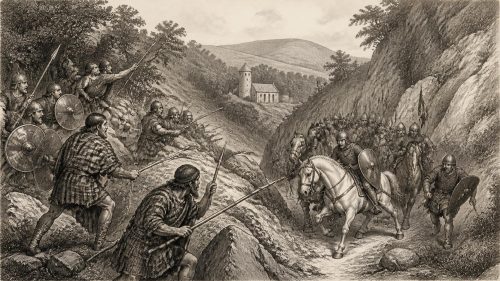
In 1188, John de Courcy led a broad Anglo-Norman expedition into Connacht, supported by Conchobar Ua Diarmata, but Conchobar Máenmaige Ua Conchobair and Domnall Mór Ua Briain defeated it near the Curlew Mountains after destructive raids through north Connacht. The failure confirmed limits to settler power and strengthened Conchobar briefly before his murder in 1189. Elsewhere, raiders from Magh Coba killed Ailech’s king Domnall Ua Lochlainn despite defeat, while Ruaidrí Ua Canannáin was murdered. Annals also record clerical deaths, pilgrimages, and domestic tragedy. Gerald of Wales’s Topographia circulated, promoting colonial assumptions challenged by annalistic evidence of complex, resilient Irish society.
Read Article

Archived: 26 September 2026
Abstract
In 1186, Ireland remained politically fragmented despite expanding Anglo-Norman settlement. Hugh de Lacy, lord of Meath, was killed while inspecting castle works at Durrow, an act Irish annals portrayed as vengeance for violation of Columcille’s sanctuary. His death weakened colonial authority while Crown withheld Meath from heir. In Connacht, Conchobar Máenmaige displaced his father, Ruaidrí Ua Conchobair, amid dynastic warfare. Northern factions deposed Domnall Mac Lochlainn, causing violence. Churches, pilgrimage, hagiography, trade and castle-building shaped life. Gaelic and settler economies interacted, but warfare disrupted communities. The year demonstrated that competing Gaelic, royal, ecclesiastical and Anglo-Norman lordships prevented any unified conquest.
Read Article

Archived: 26 September 2026
Abstract
In 1184, Ireland remained divided between Anglo-Norman lordships, Irish kings and Henry II’s limited royal administration. Philip of Worcester replaced Hugh de Lacy as governor, signalling efforts to prepare John’s projected lordship and restrain de Lacy’s power. In western Meath, Art Ua Máelshechlainn was murdered amid settler interference, and his successor joined Conchobar Máenmaige in destroying a settler castle, while another rose at Killare. Ruaidrí Ua Conchobair and Conchobar fought for Connacht. Meath settlers plundered Armagh, whose leadership was disputed. Assaroe received patronage, Clones burned, and castles, warfare and changing lordship burdened rural communities in an increasingly unstable frontier landscape.
Read Article
Archived: 26 September 2026
Abstract
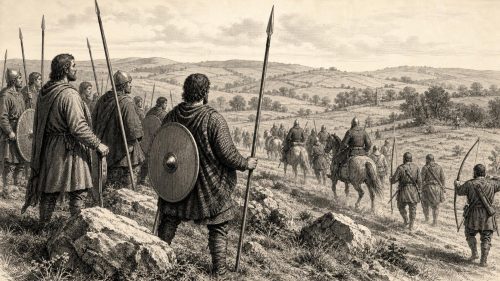
In 1174, Strongbow’s Anglo-Norman army suffered a decisive defeat near Thurles when Domnall Mór Ua Briain and Conchobar Máenmaige led Munster and Connacht forces against an expedition ravaging Munster. The reverse exposed the fragility of Henry II’s new lordship, already weakened by overseas commitments and uneven control beyond coastal towns. Heavy losses forced Strongbow to Waterford, where Hiberno-Norse inhabitants killed garrison members before Raymond le Gros brought reinforcements from Wales. Alliances remained temporary, while dynastic violence continued elsewhere. Church life endured: Gelasius, archbishop of Armagh, died, was succeeded by Cornelius, and a synod met at Birr. Warfare burdened rural communities
Read Article

