Archived: 21 October 2026
Abstract
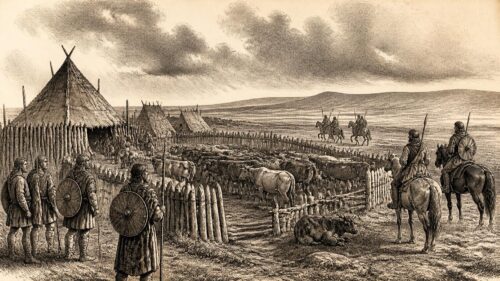
In 1397, Irish politics centred on rival lordships, notably Connacht’s struggle between Ó Conchobhair Donn and Ó Conchobhair Ruadh. Mac Donnchadha’s cattle-bearing camp at Cenn-eitigh was surprised and destroyed in mid-August, prompting retaliatory raids, new alliances and further gallowglass warfare. Conflict devastated crops, houses and herds amid summer food scarcity and a wet, destructive autumn. In Ulster, Niall Mór Ó Néill died and was succeeded by Niall Óg, who inherited continuing struggles. Roger Mortimer sought authority in Leinster and the midlands, building Finnea castle. Ecclesiastical deaths and journeys to Rome reflected enduring religious connections despite widespread instability across the island.
Read Article

Archived: 21 October 2026
Abstract
In 1394 Richard II landed at Waterford with an expedition, the first reigning English king to visit Ireland since 1210. Seeking to strengthen the weakened lordship, he targeted Leinster, where Art MacMurrough challenged crown authority. MacMurrough burned New Ross, seizing wealth and hostages, while Ormond retaliated by ravaging Leinster. Richard travelled through Kilkenny to Dublin, obtaining meetings, pledges and uncertain submissions rather than decisive control. Parliament and counsel in Dublin underscored reliance on magnates, clergy and towns. Elsewhere, inter-lordship violence, clerical deaths, church destruction and rebuilding, and learned men’s killings revealed a fragmented society. Royal prestige rose, but conflict endured.
Read Article
Archived: 24 October 2026
Abstract
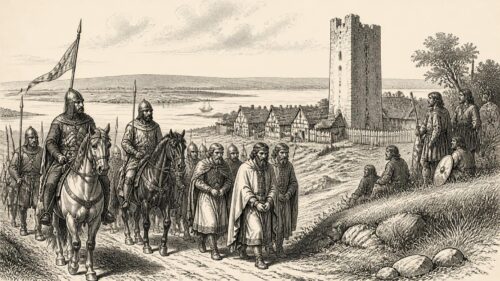
In 1311, conflict at Bunratty in Thomond brought rival Uí Bhriain branches, Richard de Clare, William Liath de Burgh and forces from Connacht and Meath into shifting alliances. Although de Clare’s side suffered heavier losses, it captured de Burgh and northern nobles, briefly altering regional power. Thomond endured further killings, including King Donnchad Ó Briain’s murder, contested succession, hostage agreements and later fighting. Raids also struck the Dublin marches, exposing weak governmental control. Church appointments in Dublin and Armagh revealed competing royal, papal and local interests. Deaths, raids and scarcity heightened insecurity, foreshadowing vulnerabilities later exploited during the Bruce invasion.
Read Article

Archived: 24 October 2026
Abstract
In 1304, Dublin suffered an accidental fire that destroyed St Mary’s Abbey, the Dominican house and much of the city, disrupting religious, commercial and administrative life. Chancery rolls covering 1291–1300 were lost, deepening later gaps in Ireland’s records. Justiciar John Wogan struggled to secure Athlone while Irish resources supported Edward I’s Scottish war. Richard de Burgh served in Scotland, but his wife and heir Walter died, altering succession. In Bréifne, Matha Ó Raighilligh was killed with his gallóglaigh, exposing volatile regional lordship. These events reveal interconnected vulnerabilities across medieval Ireland, though evidence offers little detail about ordinary people’s lives directly.
Read Article
Archived: 25 October 2026
Abstract
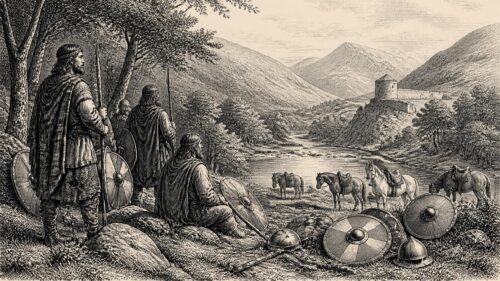
In 1261, Fínghin Mac Carthaigh defeated a major Geraldine force at Callann in Desmond, killing John fitz Thomas FitzGerald, his heir Maurice and many followers. The victory checked Geraldine expansion, but Fínghin was killed soon afterwards, leaving Desmond disputed. Annals differ over details, including dating, casualties and participants, while confirming the battle's significance. Conflict elsewhere included raids, burned settlements and fortresses, rival successions in Breifne and Tír Eógain, and struggles in Thomond and Connacht. Clerics and churches suffered violence at Derry and Ballysadare, while Raphoe's bishop was elected archbishop of Armagh. The year reveals politically fragmented, shifting power across Ireland.
Read Article

Archived: 26 September 2026
Abstract
In 1212, royal efforts to extend King John’s Irish lordship through castles, taxation and military campaigns met persistent resistance. John de Gray’s northern offensive built Clones and Cáel Uisce castles, but forces associated with Áed Méith Ua Néill and other Gaelic leaders defeated raiders and destroyed both strongholds. Seaborne warriors from Galloway and the Isles ravaged Derry and Inishowen, aided by Cenél Conaill. In Meath, Cormac Ua Máel Sechlainn defeated English forces, while Munster and Desmond saw fort-building and dynastic conflict. Administrative records reveal expanding royal finance, yet authority remained uneven, shaped by alliances, tribute, churches, raids and regional rivalries.
Read Article
Archived: 26 September 2026
Abstract
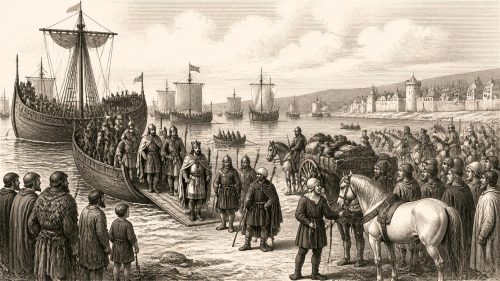
In 1210 King John launched a 63-day expedition to Ireland, asserting authority over Anglo-Norman magnates and seeking alliances with Gaelic rulers. Landing at Waterford, he received Donnchadh Ua Briain and Cathal Crobhdearg Ua Conchobair, then advanced through Dublin, Meath and Ulster. Walter and Hugh de Lacy were dispossessed; Carrickfergus fell to royal forces, while Man suffered punitive attack. John expanded administration, installed John de Grey, promoted castles and a bridge at Athlone, and supported royal coinage. Yet hostage-taking damaged relations with Connacht, Gaelic submissions remained conditional, and regional conflicts continued. The campaign strengthened royal control but left divided politics unresolved.
Read Article

Archived: 26 September 2026
Abstract
In 1207, King John’s Irish government faced armed opposition from Anglo-Norman magnates and continuing Gaelic rivalries. Justiciar Meiler fitz Henry’s disputes with the Lacys and William Marshal escalated into warfare across Leinster and Meath. Hugh de Lacy’s allies besieged Ardnurcher for five weeks, captured Firceall and forced Meiler from Ireland. Raiding and successions reshaped northern and western lordships, while Cathal Crobhdearg redistributed Connacht territory. Churches at Lismore and Armagh suffered attack, prompting ecclesiastical appeals to England. John promoted control through coinage rules, land grants and fortification, but these measures exposed rather than resolved fragile authority, foreshadowing his later 1210 intervention.
Read Article

Archived: 26 September 2026
Abstract
In 1203, conflict over Connacht revealed Ireland’s overlapping Gaelic, Anglo-Norman and royal authorities. William de Burgh campaigned from Munster and Meath, fortifying Mílec and ravaging western Connacht, including Clonfert and Clonmacnoise. King John curbed him by removing Limerick from his control; Meiler fitz Henry and Walter de Lacy enforced submission and mediated Connacht’s dynastic disputes. Cathal Crobderg Ua Conchobair retained his kingship despite rivalry with Toirrdelbach, son of Ruaidrí. Elsewhere, dynastic killings and warfare continued. Contemporary annals report famine, worsened by plunder, while churches remained vulnerable targets yet vital centres of learning, shelter, diplomacy and legitimacy. Connacht’s future remained unresolved.
Read Article

Archived: 26 September 2026
Abstract
In 1200, Ireland remained politically fragmented, with Gaelic lordships, Anglo-Norman magnates and royal officials exercising overlapping authority. Connacht’s Uí Conchobair succession struggle dominated events: Cathal Carrach, backed by Munster Anglo-Normans, notably William de Burgh, expelled Cathal Crobderg and regained the kingship. Warfare devastated territories and churches, while raids in Tír Eógain and Armagh demonstrated shifting cross-cultural alliances; Áed Ó Néill defeated Ulidian raiders. King John reappointed Meiler fitz Henry as justiciar and confirmed de Burgh’s Tibberaghny holding, strengthening royal structures without establishing island-wide control. Clerical deaths and ecclesiastical records underline churches’ continuing economic, social and intellectual importance amid widespread conflict.
Read Article

Archived: 26 September 2026
Abstract
1198 in Ireland saw contested succession, ecclesiastical change and continuing regional conflict, though annalistic sources disagree over dates. Ruaidrí Ua Conchobair died around 1198–99 after retirement, symbolising the decline of an older high-kingship amid divided Connacht and entrenched English lordship. Cathal Carrach killed a dynastic rival, while a temporary peace with Cathal Crobderg sought to restrain their struggle. Gilla-Crist Ua Cernaigh succeeded Gilla Mac Liac Ua Brenáin as comarba of Colum Cille, affirming northern church authority. A castle at Ardpatrick reflected expanding lordship. Gaelic rulers, churches and Anglo-Norman magnates retained competing power across a politically fragmented island during this period.
Read Article

Archived: 26 September 2026
Abstract
In 1196, Ireland comprised competing regional lordships, churches and Anglo-Norman centres rather than a unified polity. Armagh’s canonry and precinct were burned, while conflict nearby saw Ruaidrí Mac Duinn Shléibhe’s mixed force defeated and Muirchertach Mac Lochlainn killed despite sacred guarantees. Sanctuary violations, retaliatory killings and dynastic successions demonstrated insecure local power. In Munster, Domnall Mac Carthaigh defeated English forces, challenged Limerick, attacked castles and negotiated over Cork, amid conflicts involving Irish and settler allies. Raids reached Louth and the midlands. Religious institutions remained politically influential, providing oaths, burial and retirement. Annalistic evidence depicts uneven disruption, not an island-wide crisis.
Read Article

Archived: 26 September 2026
Abstract
In 1194, Domnall Mór Ua Briain’s death destabilised Munster, where his son Muirchertach’s accession was undermined by capture and blinding, while other Ua Briain and Mac Carthaig kin suffered killings, raids and betrayal. Ecclesiastical authority featured in the death of Killaloe’s bishop and the killing at Cashel despite legatine protection. Elsewhere, resistance expelled foreigners from Uí Fhinntain, Cú Mide Ua Flainn was killed, and Gillibert Mac Goisdelb’s Erne expedition failed. Across the Irish Sea, Richard I’s defeat of John enabled Walter de Lacy to regain Meath, demonstrating how Angevin politics reshaped Irish lordships amid local conflict, rivalry and uncertain authority.
Read Article

Archived: 26 September 2026
Abstract
In 1182, Ireland remained divided among Gaelic kings, Norse-Irish towns and expanding Anglo-Norman lordships. Domnall Ua Lochlainn’s Cenél nEógain force was defeated at Dunbo, probably by John de Courcy’s men, who seized the Gospel of St Martin. In Munster, Miles de Cogan’s killing near Lismore triggered resistance and exposed the weakness of settlement beyond fortified bases. Dynastic conflicts continued in Connacht, Annaly and elsewhere. The deaths of leading churchmen coincided with Kilcooly Abbey’s foundation under Domnall Mór Ua Briain. Hugh de Lacy’s castles and manors transformed Meath, yet trade, Gaelic institutions and local power still endured amid an unsettled frontier.
Read Article

Archived: 26 September 2026
Abstract
By 1178, English lordship in Ireland remained limited to Dublin, parts of Leinster and eastern Meath, while Gaelic kings retained most territories amid rivalries and shifting alliances. Hugh de Lacy raided Clonmacnoise and the midlands, but Connacht resistance constrained him. John de Courcy suffered heavy defeats during northern raids, showing Anglo-Norman arms were vulnerable to terrain, ambushes and supply problems. Warfare across Connacht and Munster damaged settlements, churches and livestock. Dynastic conflicts, ecclesiastical deaths, monastic foundations and learned culture continued alongside violence. Annals also recorded wind damage at Derry and the drying of the River Galway, as conquest remained undecided.
Read Article

Archived: 26 September 2026
Abstract
In 1158, Ireland remained politically fragmented, though Muirchertach Mac Lochlainn of Cenél nEógain dominated the high-kingship contest against Connacht’s Ruaidrí Ua Conchobair. Raids, rebellions and struggles in Tethbae, Meath, Tír Conaill and Munster exposed limits of overlordship, while annalistic dating leaves some campaigns uncertain. The Synod of Brí Mic Taidg, led by Armagh’s archbishop and a papal legate, promoted church reform and elevated Derry’s Flaithbertach Ua Brolcháin as arch-abbot of Columban churches. Yet travelling bishops were attacked. Munster saw dynastic violence, whereas Amhlaoibh Ó Donnchadha completed Aghadoe’s church before his death. Cattle-based wealth, rural life, towns, and destructive flooding underpinned.
Read Article

Archived: 26 September 2026
Abstract
In 1151, Munster's internal dynastic conflict enabled Tairdelbach Ua Conchobair of Connacht to intervene, supporting rival Uí Briain and Mac Carthaig claimants. His coalition defeated Tairdelbach Ua Briain at Móin Mór, devastating Munster and killing many aristocrats. Ua Conchobair took southern hostages and dominated Munster, but Muirchertach Mac Lochlainn soon compelled submissions from Connacht and Leinster, confirming contested overkingship. Raiding, captivity and treasure redistribution continued. Cardinal Iohannes Paparo arrived to advance church reform before Kells. Ecclesiastical visitations, a new stone church, notable deaths, and a wet winter accompanied warfare's heavy burdens on ordinary people across much of Ireland that year.
Read Article

Archived: 26 September 2026
Abstract
In 1134, Tairdelbach Ua Conchobair’s dominance faced a broad southern challenge led by Cormac Mac Carthaig of Desmond, though church mediation prevented renewed invasion of Connacht. Cormac’s alliance with Uí Briain collapsed into Munster conflict, while Diarmait Mac Murchada pursued campaigns in Osraige with Dublin’s support against rivals including Waterford. Cormac also consecrated the Romanesque chapel at Cashel, asserting royal and ecclesiastical prestige. At Armagh, Saint Malachy’s accession advanced reform against hereditary control. Deaths of clerics reflected monastic institutions and wider Christian connections. Cattle disease, destructive weather, killings and warfare impoverished rural communities, revealing Ireland’s political ambition and social fragility.
Read Article

Archived: 26 September 2026
Abstract
In 1120, Ireland remained divided among competing rulers rather than subject to a single high king. Toirdelbach Ua Conchobair of Connacht invaded Meath, expelling Murchad Ua Máel Sechlainn despite disputed ecclesiastical guarantees, before confronting Domnall Mac Lochlainn at Athlone; their peace proved fragile. Toirdelbach reinforced power by building three strategic bridges and celebrating Tailtiu’s royal assembly. In Munster and Osraige, hostage-taking, payments and imprisonment exposed overlapping claims. Cellach of Armagh visited Munster, collecting dues and affirming church influence in diplomacy and reform. Regional killings, trade, agriculture and labour underpin the annals’ portrait of political conflict, mobility and contested authority throughout.
Read Article

Archived: 26 September 2026
Abstract
In 1118, Diarmait Ua Briain’s death intensified Munster’s succession crisis and enabled Toirdelbach Ua Conchobair of Connacht to reshape southern politics. After fighting near Glanmire, where Brian Ua Briain was killed, Toirdelbach allied with Tadc and Cormac Mac Carthaig. He allocated Desmond to Mac Carthaig and Thomond to Diarmait’s sons, securing obedience through hostages and weakening Uí Briain supremacy. He also attacked Kincora and extended influence over Dublin, Leinster and Osraige. Regional warfare continued elsewhere. Royal deaths, church affairs, learning and burdens of military hostings reflected a society unsettled by conflict. The unstable partition nevertheless established Munster’s enduring political division.
Read Article

Archived: 26 September 2026
Abstract
In 1116, Ireland faced intertwined dynastic, military and environmental crises. Munster’s Uí Briain kingship fractured as Diarmait displaced the ailing Muirchertach, enabling Connacht’s Toirdelbach Ua Conchobair to raid Thomond, burn Kincora and challenge Munster forces. Severe winter weather produced famine and pestilence, especially in Leinster and southern Ireland, causing mortality, displacement and abandoned settlements; warfare worsened shortages through plunder and captivity. Fires damaged major ecclesiastical centres, including Armagh, Killaloe, Cork, Emly, Lismore, Aghaboe and Clonard, while attacks struck church communities. Despite disruption, Cellach of Armagh completed a Connacht visitation, demonstrating enduring ecclesiastical authority and institutional resilience amid severe widespread hardship.
Read Article
Archived: 26 September 2026
Abstract
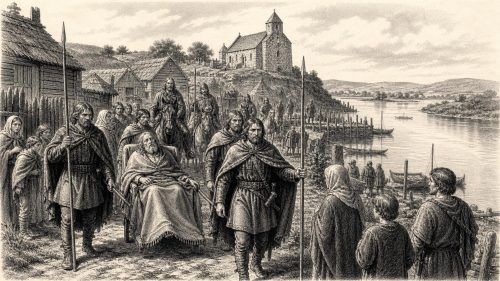
In 1114, Muirchertach Ua Briain’s illness shattered his dominance of Ireland, enabling his brother Diarmait to seize Munster and confine him at Killaloe. Domnall Ua Lochlainn led a northern coalition into Munster, but its campaign ended in a year’s truce, influenced by the independent Connacht king, Tairdelbach Ua Conchobair. Tairdelbach suppressed rivals, raided Meath and consolidated Connacht. Elsewhere, warfare, killings, depositions and blinding exposed unstable successions. Church reform coexisted with monastic institutions, whose leaders’ deaths and fires were recorded. Raids, forced provisioning and livestock disease damaged communities. No settlement emerged: Uí Briain power waned as Connacht became a decisive rival.
Read Article




