
Year by Year
Explore Year by Year articles from the most modern historical year back to the oldest.
3,295 Articles Archived
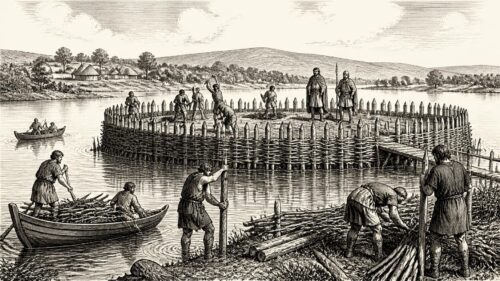
Crach’s Island
Archived: 1 November 2026
In 725, Irish annals record dispersed events rather than a single national turning point. Cináed son of Írgalach caused the Ulaid to flee, indicating temporary northern reach after his victory in 724, but not conquest. A fortified or constructed island associated with Crach’s son suggests investment in defended wetland settlement, though its site and purpose remain unknown. Obituaries commemorated scribes, teachers and abbots linked to Armagh, Kildare, Munster and communities, demonstrating ecclesiastical learning and institutional influence. Simul son of Drust was imprisoned in northern Britain. Divergent annalistic chronologies require caution, yet these notices reveal organised power, construction and intellectual networks.
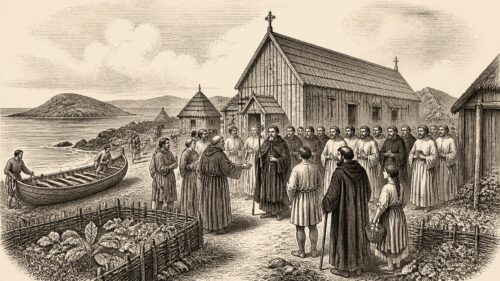
Fogartach’s Death
Archived: 1 November 2026
In 724, Fogartach mac Néill was killed by Cináed mac Írgalaig at Cenn Deilgden, probably in the Brega–Mide region, strengthening Cináed’s claim to paramount kingship among the southern Uí Néill. The battle reflected competitive dynastic politics rather than rule over a unified Ireland, and its military details remain unknown. Elsewhere, Fáelchú, abbot of Iona, died and Cilléne Fota succeeded, possibly reuniting contested offices. Nechtan’s withdrawal and Drust’s accession marked a Pictish change of ruler. Cuinnles of Clonmacnoise and Cáech Scúili, scribe of Derry, also died. These records illuminate interconnected political, ecclesiastical and literary authority, while leaving everyday conditions largely undocumented.
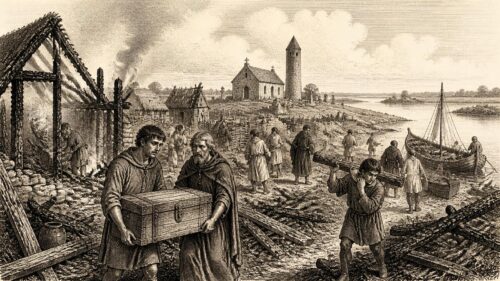
Clonmacnoise Destruction
Archived: 1 November 2026
In 723, annals recorded the burning of Clonmacnoise, a major Shannon settlement of churches, homes, workshops and stores, without identifying its cause or extent. The destruction nevertheless disrupted a religious, commercial and travel hub whose recovery required broad support. Indrechtach mac Muiredaig, king of Connacht, died there on pilgrimage, demonstrating the monastery’s authority beyond its region, though his succession remains uncertain. Deaths at Monasterboice and Tailtiu further reflect interconnected religious landscapes. Selbach of Dál Riata entered clerical life, linking Irish and Scottish politics. After Almu’s previous-year upheaval, no major battle is securely recorded. Later claims concerning Flaithbertach’s accession require caution.
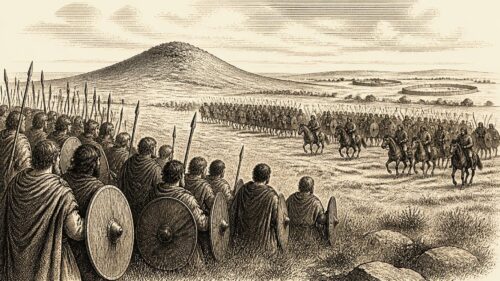
Leinster Victory
Archived: 1 November 2026
In 722, Fergal son of Máel Dúin, Cenél nÉogain ruler styled king of Ireland, invaded Leinster to enforce overlordship, tribute and hostages. On Friday 11 December, Leinster forces led by Murchad son of Bran Mút defeated and killed him at Almuin, or Allen, County Kildare, alongside many northern, Airgialla and midland allies. The battle exposed limits of Uí Néill power, intensified dynastic competition, and enhanced Leinster’s prestige without ending its internal divisions. Later saga embellished events, but annals confirm a major political rupture. Other notices record Máel Rubai’s death at Applecross, Feidlimid’s Iona leadership, and Bile of Alt Clut’s death.
Campo Delenn
Archived: 1 November 2026
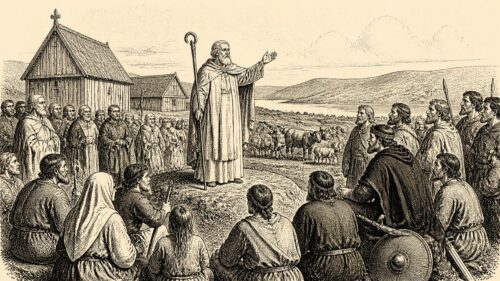
In 721, Cathal son of Finguine of Munster and Murchad son of Bran of Leinster devastated Mag Breg, challenging Uí Néill authority around Tara. Fergal son of Máel Dúin, king of Tara, responded by imposing cattle tribute and taking hostages from Leinster, demonstrating his political supremacy. Inisfallen instead preserves a Munster-centred claim that Cathal and Fergal made peace and that Fergal submitted. Inmesach the religious established a law proclaiming Christ’s peace across Ireland at Campo Delenn. Annals note conflict between Connachta and Corco Baiscinn, deaths of rulers and churchmen, and reveal rivalry, ecclesiastical influence, and limits of evidence for life.
Sea Flood
Archived: 1 November 2026
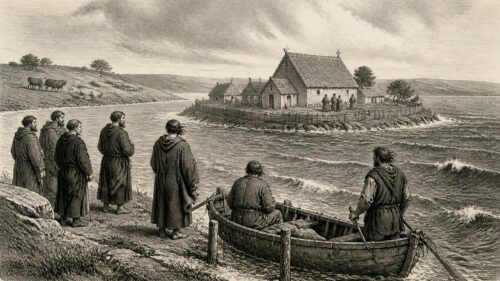
In 720, Irish annals recorded a rainy summer, the death of Sínach of Inis Clothrann, and a great sea-flood in October. The wet season may have disrupted cereal growing, haymaking, travel and fodder supplies, although its effects varied by resources and status and cannot prove famine. Sínach’s obituary attests to an ecclesiastical community on Lough Ree, connected through the Shannon to estates, labour and exchange. Politically, the year lay between Fergal’s campaigns against Leinster, though no conflict is securely dated to it. The sea-flood, perhaps storm surge or tsunami, remains unlocated and unexplained, demonstrating environmental vulnerability and maritime connections alike.
Leinster Raiding
Archived: 1 November 2026
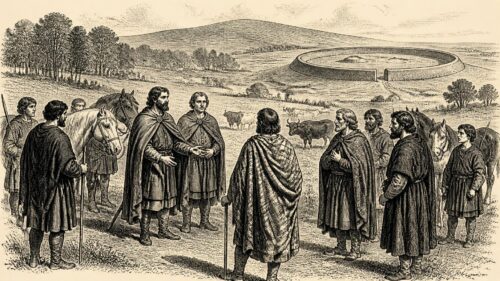
In 719, Leinster suffered internal conflict after the death of overking Cellach Cualann. At Findabair, probably Fennor in Meath, his son Áed was killed in an encounter among the Leinstermen, though sources do not identify combatants or circumstances. Murchad of Uí Dúnlainge held Leinster’s overkingship amid rivalry with Cellach’s Uí Máil kin. Uí Néill forces devastated Leinster five times, reflecting pressure associated with Fergal of Cenél nÉogain and foreshadowing later campaigns. Other annals record killings, violence affecting Armagh, an ecclesiastical death, and a Dál Riata sea-battle. A possibly dry summer compounded raiding’s threat to farming, cattle, lordship and vulnerable communities.
Conall Grant
Archived: 1 November 2026
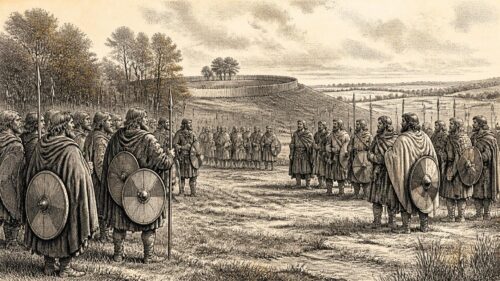
In 718 CE, a battle at Cenannas – the place later known as Kells in County Meath – brought a violent turn in the long struggle for Brega. Conall Grant, grandson of Cernach, emerged as victor over a group of rival leaders, but his success was startlingly brief: the annals state that Fergal son of Máel Dúin killed him two months later. The year also brought deaths at major religious communities, a recorded change in Iona’s monastic observance, reports of remarkable portents, and a lunar eclipse. Together, these sparse notices reveal an Ireland in which dynastic politics, ecclesiastical authority and the interpretation of unusual sights in the sky were closely intertwined.
Iona Expulsion
Archived: 1 November 2026
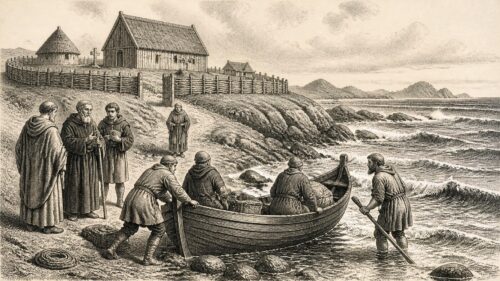
In 717, Irish annals record the death of Dúnchad, eleventh abbot of Iona, an Irish-founded monastery central to networks linking Ireland, Dál Riata, Pictland and Northumbria. They also note King Nechtan’s expulsion of Iona’s community from Pictish lands beyond Dorsum Britanniae, probably amid reforms concerning Roman Easter, although its scale and cause remain uncertain. In Ireland, Fogartach disrupted the royal assembly at Tailtiu, where a man was killed, illustrating contested Uí Néill authority. Dál Riata defeated Britons at Minuirc. Together, these sparse records in 717 clearly reveal strained religious, political and maritime connections across early medieval Ireland and northern Britain.
Ecgberht Iona
Archived: 1 November 2026
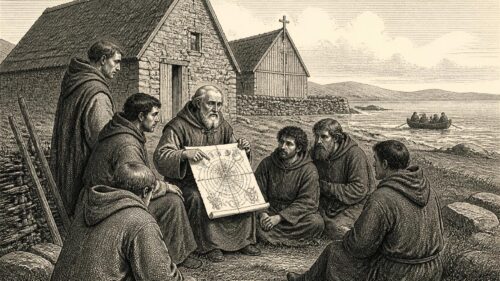
In 716, Northumbrian priest Ecgberht persuaded Iona to adopt the Roman Easter calculation and clerical tonsure, ending its adherence to the older 84-year cycle. Confirmed by Bede and Irish annals, this change affected the Columban network across Ireland, Scotland and Northumbria, requiring new tables, learning and acceptance among dependent houses. Fáelchú assumed Columba’s seat on 29 August, amid uncertain leadership arrangements before Abbot Dúnchad’s death in 717. In Ireland, Fogartach of Síl nÁedo Sláine regained power in Brega, though authority remained contested. The death of Clones’s abbot illustrates monastic networks embedded within rural, agrarian society and their dependence on labour.
Some records do not yet have a verified historical year and are awaiting chronological placement.