Archived: 30 October 2026
Abstract
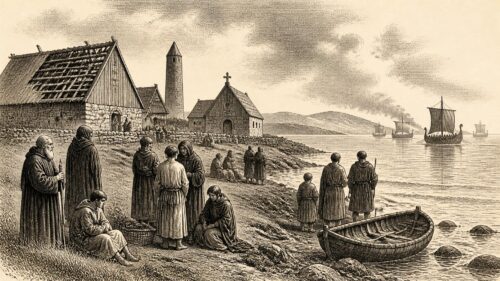
In 806, though annalistic dating varies, Ireland experienced pestilence, political upheaval, ecclesiastical losses and attacks on religious sites. A great mortality was recorded alongside abundant woodland mast, without identifying the disease. Áed Oirdnide promulgated Patrick’s law, reinforcing links between royal authority and Armagh, while Fínshnechtae regained Leinster and Flaithnia of Uí Fhailgi was killed. Leading churchmen died, and Tír dá Glas was burned for unknown reasons. Most notably, pagan seaborne raiders killed sixty-eight members of Iona’s Columban community. The massacre exposed monasteries’ maritime vulnerability, although Iona and its Irish-connected Columban network survived and remained influential throughout the Irish Sea world.
Read Article
Archived: 31 October 2026
Abstract
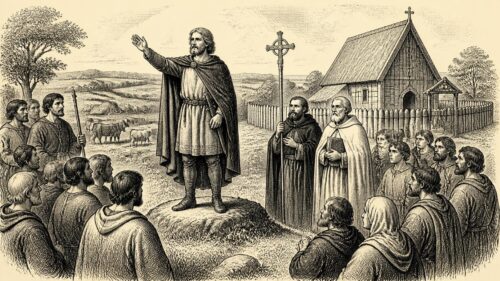
In 753 CE, Domnall Midi of Clann Cholmáin enforced the law of Colum Cille, publicly combining royal authority with the saint’s protection, privileges and ecclesiastical claims. The act reflected Ireland’s fragmented political order, where rulers, kin groups and churches negotiated power. Annals also record a solar eclipse, deaths of abbots and churchmen across Ireland, the death of Echaid, king of Uí Moccu Uais, slaughter among Connacht groups, and Ferblae’s death as a learned man. These terse notices reveal interconnected religious, political and economic communities. Chronological differences among annals require caution, although the eclipse is securely dated to 9 January 753.
Read Article
Archived: 1 November 2026
Abstract
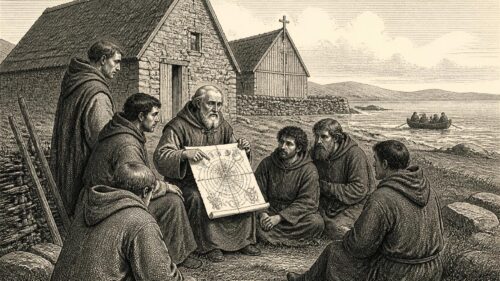
In 716, Northumbrian priest Ecgberht persuaded Iona to adopt the Roman Easter calculation and clerical tonsure, ending its adherence to the older 84-year cycle. Confirmed by Bede and Irish annals, this change affected the Columban network across Ireland, Scotland and Northumbria, requiring new tables, learning and acceptance among dependent houses. Fáelchú assumed Columba’s seat on 29 August, amid uncertain leadership arrangements before Abbot Dúnchad’s death in 717. In Ireland, Fogartach of Síl nÁedo Sláine regained power in Brega, though authority remained contested. The death of Clones’s abbot illustrates monastic networks embedded within rural, agrarian society and their dependence on labour.
Read Article
Archived: 2 November 2026
Abstract
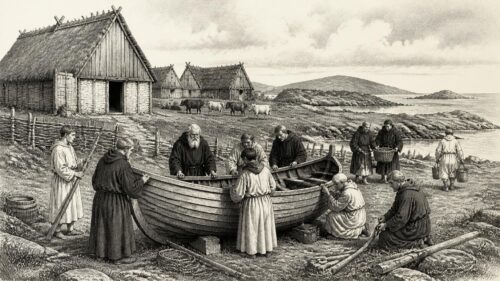
In 679 CE, Ireland’s annalists record a year defined less by a single island-wide crisis than by the passing and testing of influential people and institutions. The securely dated core consists of the death of Fáilbe, abbot of Í or Iona; the death of Cenn Fáelad, styled “the learned”; and a clash in which Fínnechta Fledach, the dominant Uí Néill king of Tara, defeated Bécc Bairrche. These concise notices are unusually revealing. Together they show a country of many competing dynasties, in which armed expeditions, ecclesiastical leadership and learned reputation all carried political weight. A Year in Difficult Calendars The
Read Article
Archived: 2 November 2026
Abstract
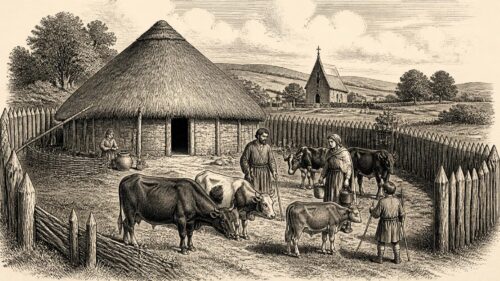
In 656 CE, the surviving Irish annals place a small but revealing cluster of deaths, a battle and an extraordinary report from the countryside within the year. None amounts to a narrative of a united Irish kingdom: Ireland was divided among many dynasties and petty kingdoms, while churches and monasteries exercised influence across political frontiers. Yet the entries for this year illuminate several connected worlds: the Columban community of Iona, the ecclesiastical landscape of Meath and Munster, local violence, cattle-centred rural life, and Ireland’s close relationship with northern Britain. The evidence is terse and must be handled cautiously, but it
Read Article
Archived: 3 November 2026
Abstract
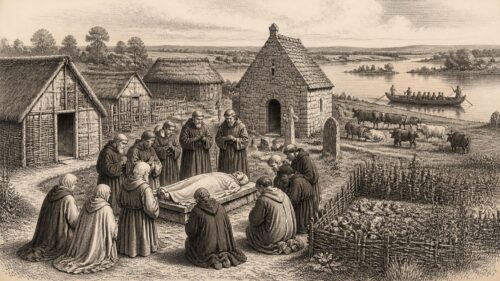
In 652 CE, the Irish annalistic record conventionally places a striking cluster of deaths among leading churchmen alongside a local dynastic battle in the midlands. Yet this is also a year that demands unusual chronological care. The surviving Annals of Ulster group these notices under U652, but their own kalend entry identifies the year as AD 651; related chronicles and later compilations distribute some of the same material under different years. The safest conclusion is not that every event can be fixed to a modern 1 January–31 December 652, but that these events belong to the narrowly defined historical horizon
Read Article


