
Year by Year
Explore Year by Year articles from the most modern historical year back to the oldest.
3,305 Articles Archived

Glacial Interbeds
Archived: 2 October 2026
Around 30,354 BCE, Ireland’s record is environmental rather than historical. At Derryvree near Maguiresbridge, freshwater silts sealed between glacial tills indicate an ice-free interval during the Late Pleistocene, broadly dated to 36,900–31,700 calibrated years BP. Pollen, plants and insects reveal treeless, cold wetlands of sedges, mosses, herbs and water. Other sites confirm episodic, regionally variable glaciation. Castlepook Cave preserves a time-mixed fauna including mammoth, reindeer, giant deer, bear, wolf and hyaena, demonstrating habitable environments. A cut-marked reindeer bone may indicate brief Upper Palaeolithic human activity, but cannot prove settlement. Later ice destroyed landscapes, leaving buried sediments and caves as evidence.

Water Plants
Archived: 2 October 2026
Thirty thousand years BCE is best understood as an imprecise point within Ireland’s later Pleistocene, rather than a datable historical moment. At Derryvree, County Fermanagh, freshwater silts between glacial tills record a cold, treeless tundra wetland, supporting mosses, sedges, herbs and dwarf shrubs during an ice-free interval. Elsewhere, expanding ice created varied conditions. Castlepook Cave, County Cork, preserves animal remains including mammoth, reindeer, giant deer, bear and hyena, demonstrating intermittent access for large mammals. A possibly cut-marked reindeer bone suggests early human visitation, but cannot prove permanent settlement. Changing coastlines, glaciation and fragmentary evidence leave routes, populations and conditions uncertain.
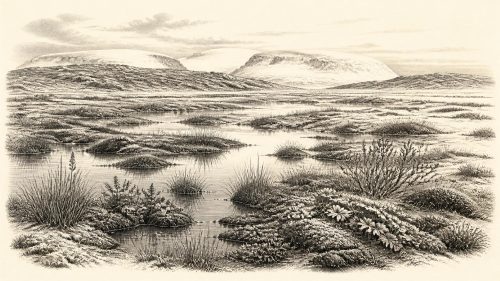
Periglacial Bogbean
Archived: 2 October 2026
30,356 BCE is a modern label, not a recoverable Irish historical year. Evidence from Derryvree, County Fermanagh, records a freshwater wetland sealed between glacial tills, dated broadly to 34,950–29,750 BCE. Its bogbean, sedges, mosses, dwarf willow and Arctic-alpine flora indicate treeless, periglacial tundra conditions during an ice-free interval. Castlepook Cave, County Cork, preserves cold-stage fauna including reindeer, mammoth, hyena, wolves and lemmings, demonstrating intermittent ecological connections with north-west Europe. A possibly cut-marked reindeer bone suggests human contact, not settlement. No political, cultural or social narrative is supported. These archives instead document environmental instability, local habitability and later profound glacial transformation.
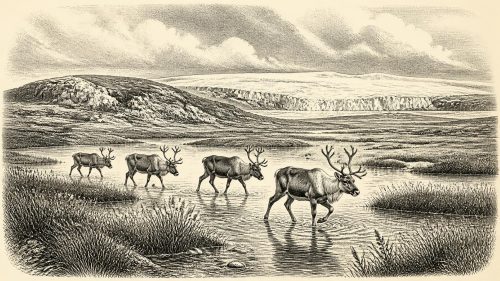
Castlepook Palaeoclimate
Archived: 2 October 2026
Around 30,357 BCE, Ireland cannot be described through a precise annual chronology, but as part of the unstable late Pleistocene before the local Last Glacial Maximum. Climate was deteriorating, while ice, sea levels and habitats changed unevenly. Treeless tundra, wetlands and seasonal forage supported cold-adapted animals, evidenced by deposits such as Derryvree and Castlepook Cave. Castlepook yielded mammoth, reindeer, giant deer and predators, though its disturbed bones cannot reconstruct a single moment. A cut-marked reindeer femur may indicate early human activity, but proves neither settlement nor population. Advancing ice subsequently reshaped Ireland’s landforms, leaving an incomplete archaeological record for millennia.
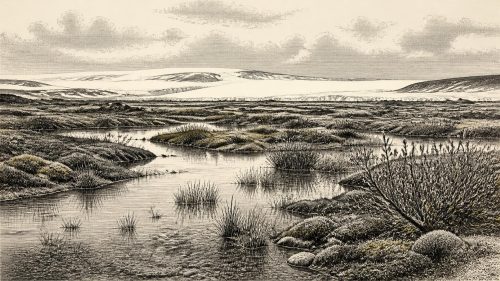
Midlandian Wetland
Archived: 2 October 2026
30,358 BCE is a modern label within a broad late Pleistocene interval, not an identifiable Irish year. Derryvree, near Maguiresbridge, preserves freshwater organic deposits between glacial tills, dated approximately 36,900–31,700 calibrated years before present. Their plants, pollen and insects indicate open tundra, wetland mosaics, severe cold and seasonal thaw during a shifting Midlandian glaciation landscape. Castlepook Cave in Cork records diverse cold-stage mammals, including mammoth, reindeer and predators, though its bones span millennia. A marked reindeer femur may indicate early human carcass processing, but proves neither settlement nor permanent occupation. Ireland remained an island, and evidence reveals no known societies.

Ice Retreat
Archived: 2 October 2026
30,359 BCE is best treated as part of a broad Late Pleistocene interval, not a precise Irish historical year. At Derryvree near Maguiresbridge, County Fermanagh, freshwater sediments and tundra vegetation lay between glacial tills, showing a local ice-free phase within an unstable cold climate. Radiocarbon evidence calibrates broadly, encompassing the nominal date. Castlepook Cave’s fauna, including mammoth, reindeer and predators, demonstrates ecological richness before the Last Glacial Maximum. A possibly cut-marked reindeer bone suggests, but does not prove, transient early human activity. There is no evidence for settlement, polities or culture; advancing ice repeatedly reshaped Ireland’s landscapes and preserved record.
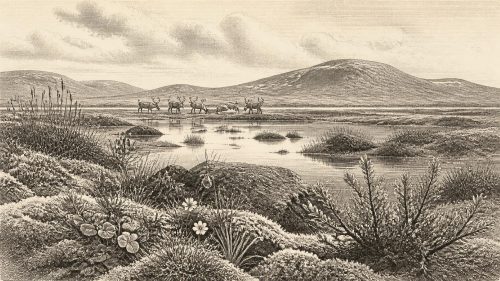
Bogbean Meadows
Archived: 2 October 2026
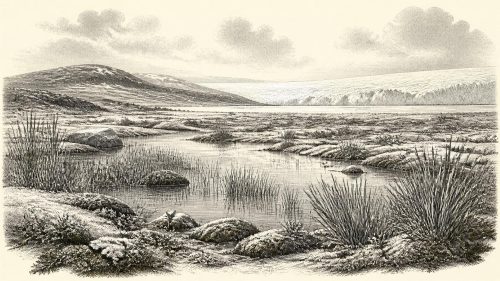
30,360 BCE is a modern chronological estimate within the Late Pleistocene, not a recoverable Irish year. Derryvree, County Fermanagh, preserves freshwater organic deposits between glacial tills, dated broadly to about 34,950–29,750 BCE. Its flora, including bogbean and mountain avens, indicates open, wet tundra shaped by frost, thaw and nearby shifting ice. Ireland’s ice cover was regionally variable, with no national reconstruction for this date. Castlepook Cave fauna demonstrates cold-adapted animal communities, though accumulated remains are not contemporaneous. A cut-marked reindeer bone may indicate transient human activity, but permanent settlement remains unproven. It depicts Ice Age conditions rather than recorded events.
Ice Encroachment
Archived: 2 October 2026
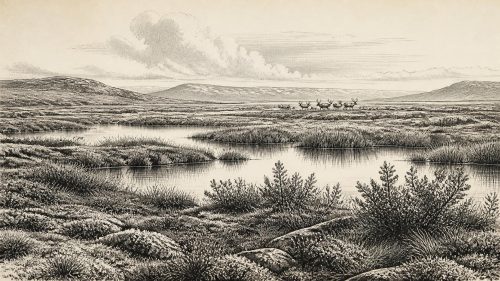
Around 30,361 BCE, Ireland was entering a major glacial crisis, although conditions varied regionally and no exact annual history is recoverable. Derryvree, County Fermanagh, preserves an ice-free freshwater interval between glacial tills, indicating cold, treeless tundra wetland with sedges, mosses, insects and seasonal thaw. Castlepook Cave, County Cork, contains diverse Ice Age fauna, including mammoth, reindeer and predators, demonstrating episodic cold-stage ecosystems rather than a single contemporary community. A marked reindeer bone may indicate Upper Palaeolithic butchery, but remains uncertain and cannot prove settlement. Advancing ice, shifting coastlines and sparse habitats shaped a fragmented landscape, burying much evidence of visits.
Butchery Uncertainty
Archived: 2 October 2026
30,362 BCE is a modern label rather than a recoverable Irish historical year. During Marine Isotope Stage 3, Ireland experienced unstable cold conditions before the Last Glacial Maximum, with regional variations in ice cover, vegetation and access. At Derryvree, Fermanagh, freshwater sediments between tills indicate an ice-free interval supporting treeless wetland plants, insects and shallow pools. Castlepook Cave, Cork, preserves Late Pleistocene fauna including reindeer and mammals, though deposits are imperfectly dated and mixed. A cut-marked reindeer femur may indicate brief human carcass processing, but cannot establish settlement or society. Evidence chiefly records changing environments, animals and possible human activity.
Fragmented Ecology
Archived: 2 October 2026
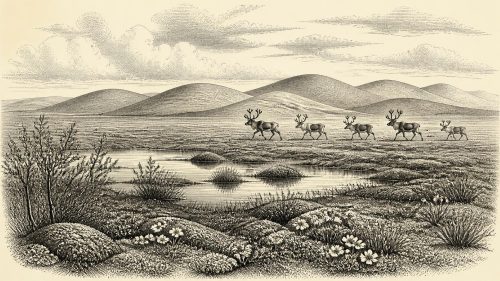
30,363 BCE is best understood as a broad, uncertain Late Pleistocene interval within Marine Isotope Stage 3, rather than a recoverable Irish year. Derryvree, County Fermanagh, preserves freshwater sediments between glacial tills, revealing an ice-free episode of periglacial tundra, wetlands, mosses and cold-adapted plants. Southern caves, particularly Castlepook in County Cork, contain remains of mammoth, reindeer, giant deer, predators and other cold-stage fauna, although old excavations limit precision. A marked reindeer bone may indicate human carcass processing, but remains unconfirmed. No evidence supports settled communities, agriculture or political life. Advancing ice later destroyed evidence, leaving a fragmented, ecologically varied record.
Some records do not yet have a verified historical year and are awaiting chronological placement.