
Year by Year
Explore Year by Year articles from the most modern historical year back to the oldest.
3,295 Articles Archived
Connacht Rivalries
Archived: 24 October 2026
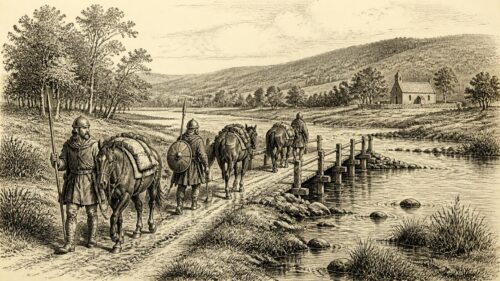
In 1285, records from Connacht and Bréifne depict contested local power rather than a national crisis. Magnus Ó Conchobair defeated Adam Cusack’s settler force at Ballysadare, killing many and capturing Colin Cusack, but Pilib Mac Gosdelb soon routed Magnus’s followers at Sliabh Gamh, with heavy losses among lesser levies. Ruaidrí Ó Gádra, king of Sliabh Lugha, was killed by Mac Feorais near Lough O’Gara. Simon Ó Ruairc, bishop of Bréifne, died, as did Alis, daughter of Cormac, and Enri Mac Gilla Finnein. Annals emphasise fluid alliances, strategic routes, hostage-taking, and precarious lordship, while warning against chronologically misplaced later annalistic entries.

Kilcolman Demolition
Archived: 24 October 2026
In 1284, Irish politics was shaped by local conflict, succession and contested lordship rather than an island-wide crisis. In Thomond, Toirdelbach Ó Briain killed his rival Donnchad, strengthening his position and troubling Thomas de Clare’s Bunratty lordship. In Connacht, Simon d’Exeter’s death provoked raids, while losses suffered by Holy Trinity Island and Boyle Abbey were repaid; Fiachra Ó Flainn burned Dunmore. King Cathal mac Conchobair Ruaid demolished Kilcolman Castle, challenging fortified authority. Elphin saw rapid episcopal changes after two deaths. Killings of northern chiefs further demonstrate fragile regional power, where kinship, churches, compensation and strongholds shaped political control across Ireland.
Áed Buidhe
Archived: 24 October 2026
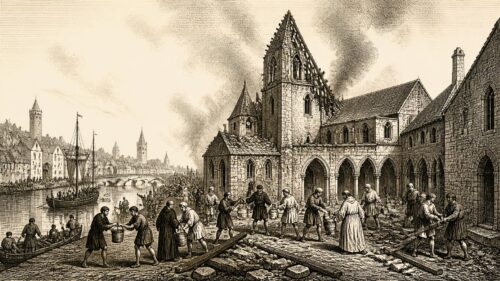
In 1283, Áed Buidhe Ó Néill, king of Tír Eógain, was killed by rivals from Airgíalla and Breifne, destabilising northern politics and encouraging a contested succession. In Connacht, the wounding and death of Tadc Ó Conchobair illustrated dynastic rivalry and the political value of custody. Domnall Ruad Mac Carthaig of Desmond countered a plot with support from prominent Anglo-Irish lords, securing a negotiated settlement involving livestock. Dublin and Christ Church suffered a serious fire, exposing urban vulnerability. Together, these events reveal Ireland as a network of competing lordships, temporary alliances, ecclesiastical institutions, commerce, violence and negotiation across the whole island.
Arklow Murders
Archived: 24 October 2026
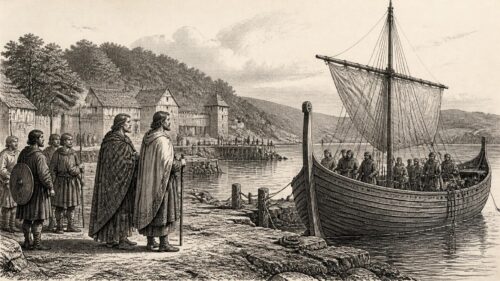
In 1282, Muirchertach Mac Murchada, king of Leinster, and his brother Art were murdered at Arklow on 21 July while travelling under safe conduct to meet Roger Bigod in England. Evidence links the killing to justiciar Stephen de Fulbourn’s frontier policy, exposing the insecurity of agreements between Gaelic rulers and royal government. Their deaths temporarily weakened Leinster unrest but did not end contested lordship. Annals also record Taichlech Ó Dubhda’s killing, Lasarfina Ó Conchobair’s death, chieftaincies changing hands, and prolonged winter snow. These events reveal Gaelic, Anglo-Irish and royal worlds, while annalistic dating cautions against assigning uncertain conflicts to 1282.
Disertcreaght Battle
Archived: 24 October 2026
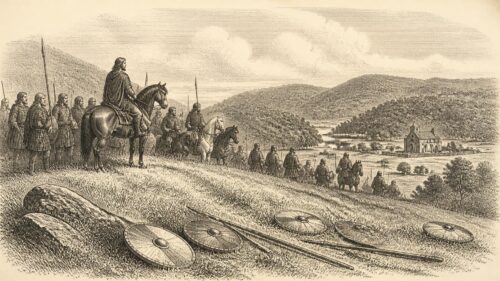
In 1281, Domhnall Óg Ó Domhnaill of Tír Conaill was defeated and killed at Disert-da-chrioch by Áed Buide Ó Néill’s forces, supported by the English of Ulster, devastating his wider political coalition. His son Áed succeeded him. Connacht saw fighting between the Barretts and Cusacks, while Tadhg Mac Diarmada of Moylurg died. In Thomond, rival Ó Briain factions accepted division and Thomas de Clare’s overlordship, enabling relative peace and Quin Castle’s completion. Richard de Burgh assumed Ulster and Connacht. Dublin strengthened administration under Stephen de Fulbourn, reopened its mint, and established one at Waterford, expanding royal revenue and fiscal capacity.
Quin Assault
Archived: 25 October 2026
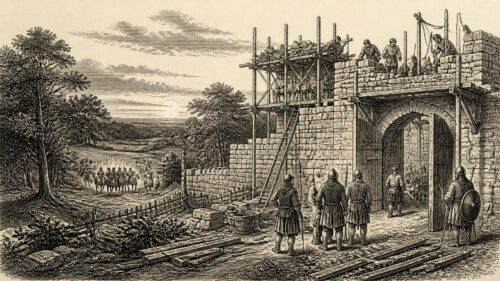
In 1280 Ireland saw conflicts exposing authority. In Thomond, Thomas de Clare’s attempt to establish a castle at Cuinche, near Quin, was devastated by a night attack led by Tairdelbach and Domnall Ó Briain; de Clare escaped to Bunratty, though Quin was completed later. In Connacht, Áed Muimhnech Ó Conchobair was killed during dynastic struggle, and Cathal Ó Conchobair gained kingship. Máel Sechlainn Ó Conchobair was ransomed for 400 cattle and 20 horses, illustrating livestock’s political value. Annals noted deaths of churchmen and Desmond barons. Together, these events reveal contested lordship, resilient Gaelic power, dynastic rivalry, and embedded religious institutions.
Tomaltach’s Tuam
Archived: 25 October 2026
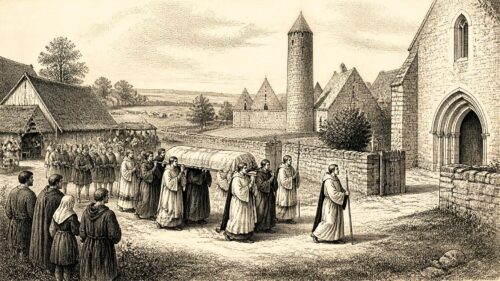
In 1279, Ireland’s fragmented political and religious worlds were marked by leadership changes, local violence and expanding lordly authority. Archbishop Tomaltach Ó Conchobair of Tuam died after two decades in office, while killings among Connacht kindreds exposed persistent dynastic rivalry. Robert of Ufford’s administration strengthened castles at Roscommon, Rindown and Athlone, increasing demands upon surrounding communities and anticipating monetary reform. In Thomond, Thomas de Clare pursued settlement and castle-building at Quin amid Ó Briain resistance and continued campaigning. Elsewhere, aristocratic penitential burial, monastic patronage, learned tradition and a Tipperary land lease demonstrate ecclesiastical, cultural and agricultural life alongside conflict daily.
Bunratty Execution
Archived: 25 October 2026
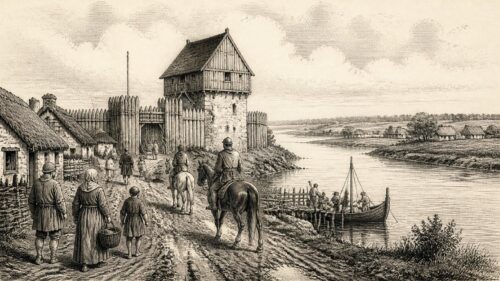
In 1278, Thomas de Clare’s ambitious lordship of Thomond provoked sustained conflict. On 11 May, he executed the displaced king Brian Ruad Ó Briain at Bunratty, allegedly with assistance from Brian’s captains. Brian’s son Donnchad later defeated de Clare’s forces at Quin, where a church was burned and many died. Connacht suffered violent succession struggles: King Tadc Ó Conchobair was killed, followed by further dynastic murders and Áed Muimnech’s contested accession. Violent deaths also affected regional rulers. Bishop Thomas Ó Cuinn died, while Cashel’s archbishop visited England. These events revealed authority’s dependence on alliances, hostages, resources and force across Ireland.

Roscommon Demolition
Archived: 25 October 2026
In 1277, authority in Ireland was contested through dynastic rivalry, warfare, castles and law. In Thomond, Brian Ruad Ó Briain allied with Thomas de Clare, holder of Edward I’s grant to Thomond, against his nephew Toirrdelbach. Defeated, Brian sought refuge at Bunratty but was seized and executed on de Clare’s orders. In Connacht, Irish forces led by an Ó Conchobair and Domnall Ó Domnaill demolished Roscommon Castle, challenging royal control. Irish people reportedly offered 7,000 marks for English common law, seeking legal protections. The year also recorded ecclesiastical continuity and local raiding, illustrating Ireland’s plural, unstable political order throughout society.
Glenmalure Victory
Archived: 25 October 2026
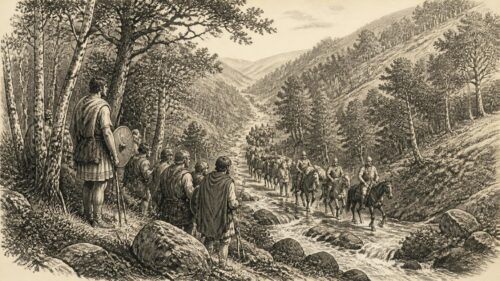
In 1276, Ireland remained politically fragmented, with English lordship dependent on local power, finance and force. In Connacht, rivalry between Tadc Ó Conchobair and Áed Muimnech produced alliances, burnings, cattle raids, recoveries and deaths, affecting wider lordly communities. In Wicklow, Geoffrey de Geneville’s expedition was defeated at Glenmalure by Art Mac Murchada, Gearóid Ó Broin and allies, demonstrating mountain resistance to Dublin’s authority. Edward I replaced Geneville with Robert de Ufford, whose government sought firmer control through administration, military spending and fortifications at Rindoon and Athlone. Possible Irish interest in English common law also exposed law as a negotiable privilege.
Some records do not yet have a verified historical year and are awaiting chronological placement.