
Year by Year
Explore Year by Year articles from the most modern historical year back to the oldest.
3,295 Articles Archived
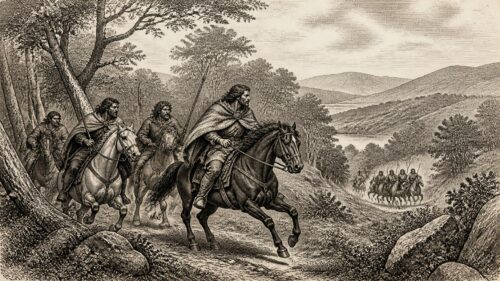
Ruaidrí’s Escape
Archived: 25 October 2026
In 1275, Ireland experienced regional conflict rather than a single national crisis. In Connacht, Tadc Ó Conchobair captured his brother Ruaidrí, raided Mac Diarmata territory, and lost his prisoner after Ruaidrí escaped with Conchobar Ó hAinlide, who was killed in pursuit. In Breifne, Art Ó Ruairc died at Granard during conflict involving Anglo-Norman forces. Annals also note killings among Gaelic kindreds, an Ulster victory over the Galls, and the deaths of bishops of Raphoe and Killala. Meanwhile, Edward I supported Justiciar Geoffrey de Geneville, ordering defence measures, an inquiry, and appointments. Sources caution against misdating events assigned differently in annals.

Roscommon Kinslaying
Archived: 25 October 2026
In 1274 Connacht suffered a rapid succession crisis after the death of Áed mac Fedlimid Ua Conchobair, a powerful king who had resisted Gaelic and Anglo-Norman opponents. Eogan mac Ruaidrí succeeded him but was killed by kin in Roscommon’s friars’ church after three months. Áed mac Cathail Dall then ruled for a fortnight before being killed at Grainsech Sruthra, leaving Tadc mac Toirrdelbaig king. Elsewhere, deaths and killings altered lordship in Brefne, Annaly and Dartry. Dublin’s forces were defeated at Glenmalure, while Edward I’s coronation and Thomas de Clare’s arrival linked Ireland to Plantagenet politics. The year revealed fragmented power.
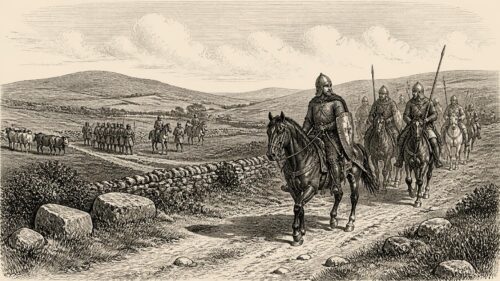
Corann Raid
Archived: 25 October 2026
In 1273, Irish authority remained fragmented among royal officials, settler magnates and Gaelic dynasties. Jordan d’Exeter’s raid in Corann provoked a failed Connacht pursuit, killing several members of ruling and learned families. Elsewhere, Conchobar Buidhe Ó Ruairc of Brefne and Eochaid Mac Mathghamhna of Oriel were killed, while expulsions altered power in western Connacht. Maurice FitzGerald’s expedition into Thomond obtained O’Brien hostages and submission, though not lasting conquest. Geoffrey de Geneville arrived as justiciar, strengthening royal administration without eliminating regional independence. Richard de Carew died, and a Barry charter granted Cahirduggan church to Ballybeg Priory, illustrating ecclesiastical patronage amid warfare.
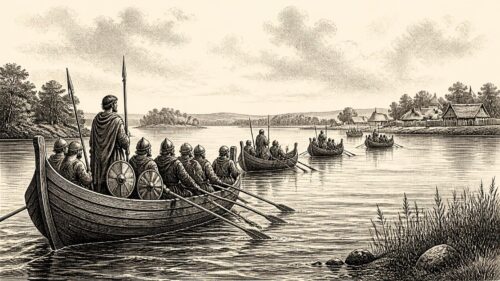
Connacht Flotilla
Archived: 25 October 2026
In 1272, Áed Ó Conchobair, king of Connacht, intensified resistance to Anglo-Norman power by destroying Roscommon castle, burning Athlone and Meath towards Granard, breaking Athlone’s bridge, and deploying a flotilla on Lough Ree. Fighting also killed Henry Butler of Umhaill, while dynastic violence and deaths unsettled Connacht and Breifne. Justiciar James de Audley died amid disputed circumstances, weakening royal administration, though official links with England continued. Henry III’s death brought Edward I’s succession as lord of Ireland. Annals also record elite deaths and burials, while warfare devastated settlements, resources, travel and local security across western and central Ireland that year.
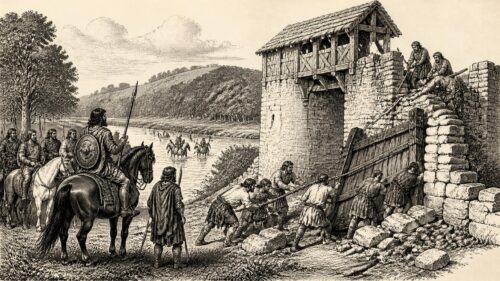
Burgh Minority
Archived: 25 October 2026
Walter de Burgh, earl of Ulster and lord of Connacht, died at Galway in July 1271, leaving his young heir Richard vulnerable during a minority. His death coincided with Áed mac Fedlimid Ó Conchobair’s destruction of castles at Templehouse, Sligo and Athleague, weakening de Burgh authority across Connacht. Killings in Connacht, Annaly, Oriel and the Breifne borderlands further revealed fragmented lordship and shifting local alliances. Annalistic notices also record religious deaths, penitence and burial, reflecting political and spiritual culture. Although Anglo-Norman power endured, 1271 reduced its capacity while Áed’s Gaelic kingship remained formidable, making the year a significant turning point.
Connacht Victory
Archived: 25 October 2026
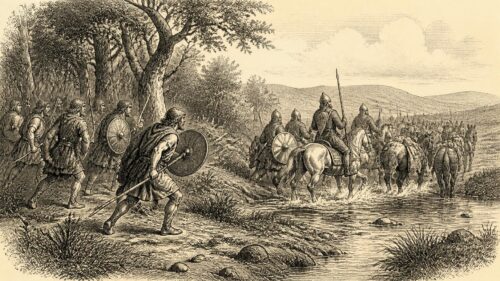
In 1270, Áed Ó Conchobair defeated Walter de Burgh’s Connacht expedition at Áth an Chip after manoeuvres around the Shannon, failed negotiations and hostage-taking. Local forces harassed the invaders, broke their vanguard and rear guard, and inflicted notable losses. Áed subsequently attacked castles, towns and settlements, including Roscommon, although conflict and reprisals continued across Connacht, Sligo, Corann and Thomond. The campaign demonstrated the strength of Gaelic kingship against Anglo-Irish magnates without ending de Burgh’s influence. Ireland also suffered widespread hunger and destitution. The year saw Archbishop Máel Pátraic Ó Scanaill’s death and Tanaide Mór Ó Maelchonaire’s succession as Connacht’s ollamh.
Roscommon Construction
Archived: 25 October 2026
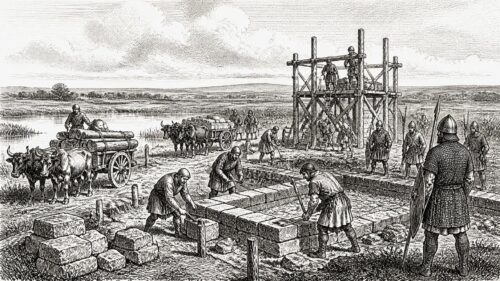
In 1269 Robert de Ufford, the English crown’s justiciar, began Roscommon Castle while Áed Ó Conchobair, king of Connacht, was ill, exploiting a temporary weakness to establish a durable royal foothold. The project disrupted local people and intensified Anglo-Irish pressure within Ó Conchobair territory, although it did not signify Connacht’s conquest. Sligo Castle’s rebuilding by Mac Muiris Mac Gerailt similarly demonstrated contested frontier control. Religious life featured Imar Ó Birn’s entry into Roscommon’s Dominican priory and aristocratic patronage. Annals also noted killings, the death of musician Áed Ó Finn, and uncertain reports of an earthquake and weather, requiring cautious chronology.

Faes Victory
Archived: 25 October 2026
In 1268, Áed Ó Conchobair of Connacht defeated an army termed the Galls of Ireland at the Faes after answering a challenge at Athlone, strengthening Gaelic resistance to lordship expansion. The year also brought severe famine across Ireland, compounding warfare and pressures. In Thomond, King Conchobar Ó Briain, his family and followers were killed amid dynastic conflict, followed by reprisals and mutilation. Other rulers died or were killed in struggles. Ecclesiastical succession continued at Armagh, Clogher and Annadown, while the death of poet-host Aengus Ó Dálaigh reflected cultural life. Sea travel, northern captivity and escape show a fragmented, connected society.

Drumcliff Burning
Archived: 25 October 2026
In 1267, Connacht and neighbouring districts experienced raids, destruction and political uncertainty rather than a single campaign. Drumcliff, an important ecclesiastical centre and settlement in present-day County Sligo, was completely burned with its churches, although attackers and casualties remain unknown. West Connacht Foreigners raided Carbury and Ballysadare, while Mac William Burke plundered Áed Ó Conchobair’s lands. Murchad Mac Suibne was captured in Umhall, delivered to Walter de Burgh, and died in prison. Áed recovered from grave illness amid several dynastic deaths. Bishop Romanus of Clonfert sought the pope, while annals also noted Munster murder and England’s continuing baronial civil war.

Tiaquin Demolition
Archived: 25 October 2026
In 1266, Connacht experienced conflict among Gaelic rulers, settler communities and Walter de Burgh’s lordship. Tiaquin Castle was demolished and Conmaicne ravaged, while townships, castles and grain stores were burned. Áed Ó Conchobair, king of Connacht, pursued rivals and projected authority into Bréifne, deposing Art Ó Ruairc, installing Conchobar Buide and taking hostages. His regime also used blinding as political punishment. Raids, killings and a failed Burke hosting demonstrated an unsettled balance of power. Despite warfare, monasteries, dioceses and learned families remained active, recording deaths, appointments and consecrations. Ireland’s order endured through violent, local negotiation of resources, fortifications and succession.
Some records do not yet have a verified historical year and are awaiting chronological placement.