Saint Finnian of Clonard
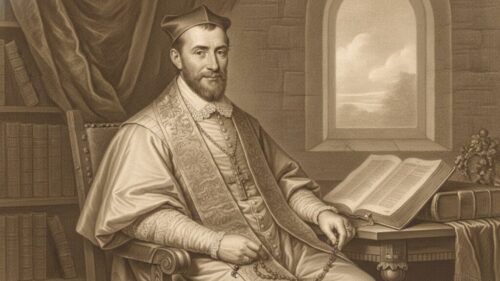
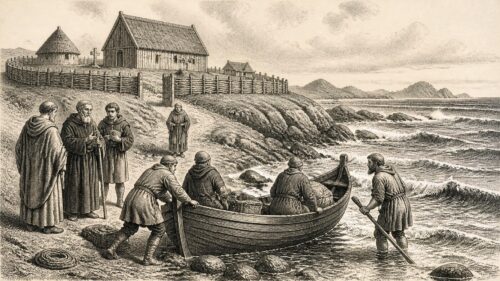
Saint Finnian of Clonard was a pivotal figure in the establishment of early Irish monasticism, traditionally regarded as one of the fathers of the monastic movement alongside Enda of Aran. While the exact dates of his life remain subject to historical uncertainty, tradition often cites his birth around 470 in the Kingdom of Leinster, specifically near present-day New Ross. He is described as the son of Findlog and a member of the Clanna Rudhraighe from the Ulaid. His early spiritual development began under the guidance of Bishop Fortchern of Trim, following his baptism by Abban.
Dateline
Saint Finnian of Clonard was a pivotal figure in the establishment of early Irish monasticism, traditionally regarded as one of the fathers of the monastic movement alongside Enda of Aran. While the exact dates of his life remain subject to historical uncertainty, tradition often cites his birth around 470 in the Kingdom of Leinster, specifically near present-day New Ross. He is described as the son of Findlog and a member of the Clanna Rudhraighe from the Ulaid. His early spiritual development began under the guidance of Bishop Fortchern of Trim, following his baptism by Abban.
Continental Study
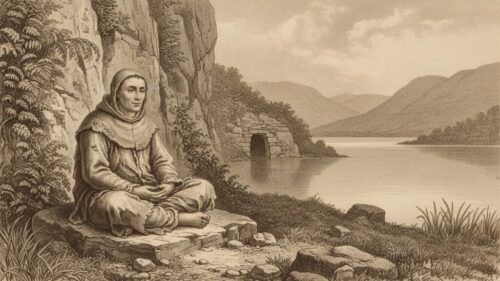
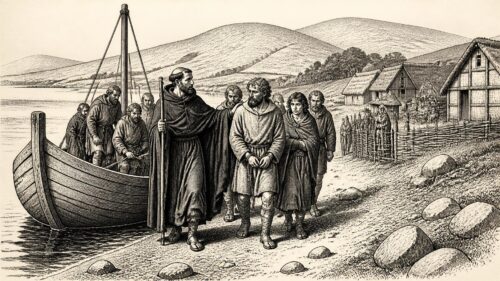
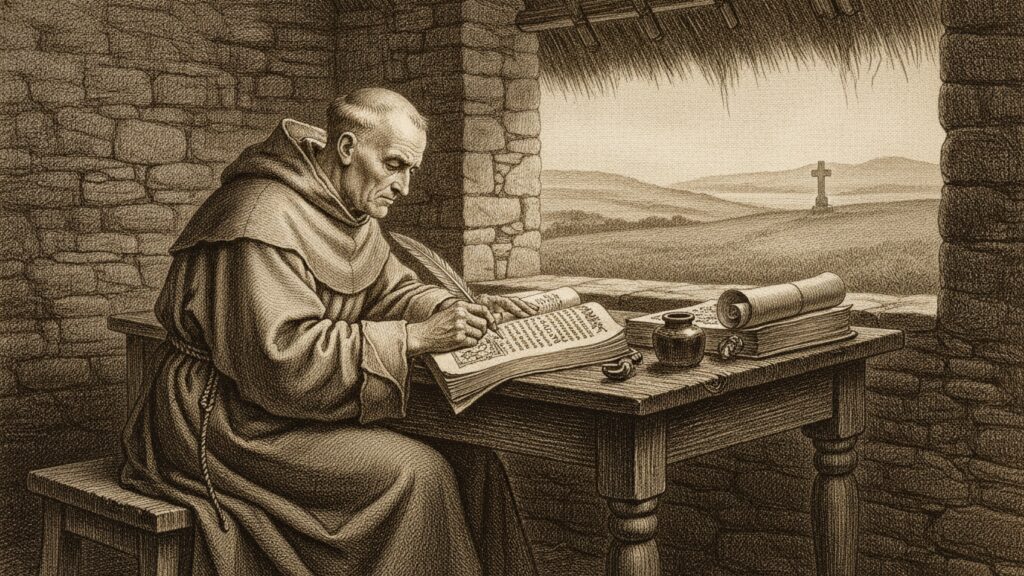
Tradition suggests that Finnian sought advanced religious education beyond the shores of Ireland. Some accounts state that he studied at the monastic centre of Martin of Tours in Gaul, a site renowned for its commitment to austerity. Following this period, he is said to have travelled to Wales, where he spent several years in prayer and study at the monastery of Cadoc the Wise in Llancarfan, Glamorgan. During his tenure in Wales, he is credited with producing copies of the Vulgate of Saint Jerome and various Roman classics. Although the Codex Salmanticensis claims he remained in Wales for thirty years, modern historians have noted that such a duration seems improbable when compared to his subsequent extensive achievements within Ireland.
Monastic Foundations
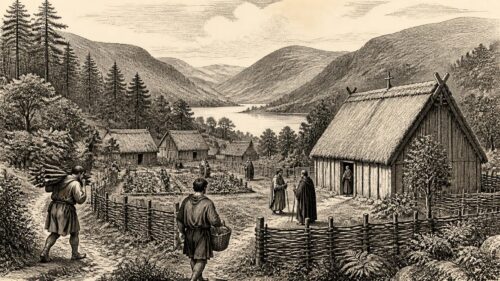
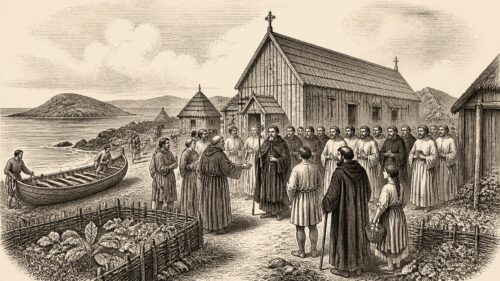
Upon returning to Ireland, Finnian established several religious sites. His first foundation was at Aghowle in County Wicklow, situated at the foot of Sliabh Condala, on land granted to him by Oengus, the king of Leinster. He later founded the influential Clonard Abbey in modern-day County Meath. This institution became a pre-eminent centre of learning and spirituality, earning Finnian the reputation as the “Teacher of the Saints of Ireland”. It is traditionally held that the Twelve Apostles of Ireland studied under his tutelage at Clonard, reflecting the abbey’s role as a primary intellectual hub for the emerging Irish church.
Literary Legacy
Beyond his role as an educator and founder, Finnian is associated with the early development of penitential literature. The “Penitential of Finnian”, an Insular text dating from the sixth century, is attributed to him. This work represents an early effort to systematise the process of penance within the church. Scholars have debated his identity in relation to this text, with some identifying him as a British ecclesiastic active in Ireland. The survival of this work in various manuscripts, including those at St Gall and the Bibliothèque nationale de France, underscores the lasting influence of his ecclesiastical teachings on the early medieval church in Ireland and Scotland.
Death Tradition
The traditional date of Finnian’s death is recorded as 12 December 549, with his passing occurring at Ross Findchuill in the Kingdom of Meath. His feast day is observed on 12 December, and he remains the patron of the Diocese of Meath. The cult of Saint Finnian continued to grow significantly from the eighth to the eleventh century, marking his enduring status as a foundational figure in the spiritual and educational landscape of early medieval Ireland.
Source References
Hover over a number to see the source. Select it to open the source.