308th Century Ireland BCE
Archived: 25 September 2026
Abstract
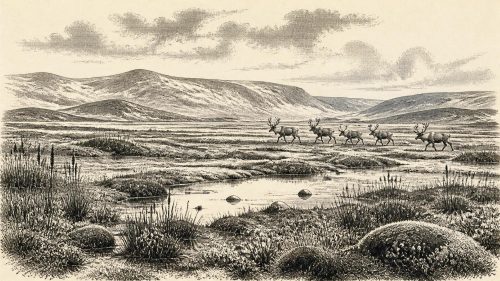
Around 30,701 BCE, Ireland’s history is reconstructed from broad archaeological ranges rather than annual events. Derryvree, County Fermanagh, preserves freshwater organic beds dated approximately 36,900–31,700 calibrated years before present, indicating a cold, treeless periglacial wetland with plants, insects and seasonal open water between glacial episodes. Castlepook Cave, County Cork, yielded diverse Ice Age fauna, including mammoth, reindeer, giant deer, hyaena, wolf and Arctic fox, demonstrating wider European connections. A potentially cut-marked reindeer femur may indicate brief human activity, but proves neither settlement nor population. Climatic shifts and expanding ice repeatedly altered habitats, obscuring earlier evidence across Ireland during this period.
Read Article
Archived: 25 September 2026
Abstract
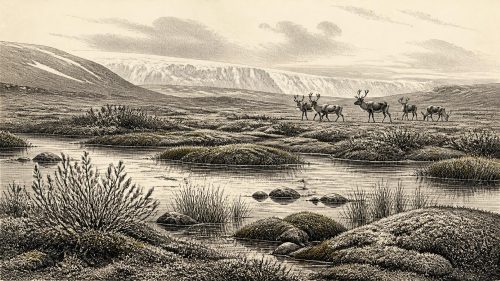
At approximately 30,702 BCE, Ireland lay within the unstable later Marine Isotope Stage 3 of the last Ice Age, although the date cannot identify a specific event. Derryvree, County Fermanagh, preserves freshwater sediments and cold-adapted wetland plants between two glacial tills, demonstrating temporary ice-free, tundra-like conditions. Castlepook Cave, County Cork, records diverse fauna, including mammoth, reindeer, giant deer, bears, wolves and hyaenas, indicating intermittent ecological connections with Britain and continental Europe. Ice, sea levels and animal ranges changed dynamically. No securely dated evidence proves human occupation, society, ritual or trade in Ireland then; the record documents environmental change and limits.
Read Article
Archived: 25 September 2026
Abstract
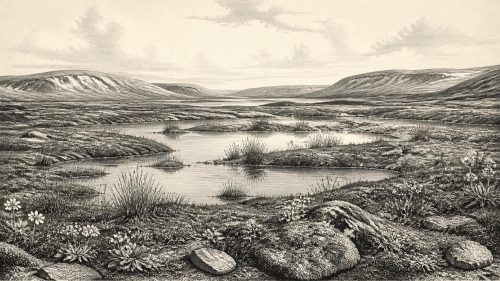
Around 30,703 BCE, Ireland’s history is reconstructed from Late Pleistocene environmental evidence rather than dated events or human activity. At Derryvree near Maguiresbridge, freshwater silts between glacial tills, radiocarbon dated broadly to 34,950–29,750 BCE, record a temporary ice-free, periglacial wetland. Pollen, plants, insects and mosses indicate treeless tundra, shallow water and ecological variety, including fringed sandwort. Castlepook Cave’s disturbed, long-lived bone deposits show intermittent connections to wider European fauna, including mammoth, reindeer and hyaena, but cannot describe one year. No secure human presence is known. The period reflects fluctuating ice, habitats, drainage and faunal opportunities before the Last Glacial Maximum.
Read Article
Archived: 25 September 2026
Abstract
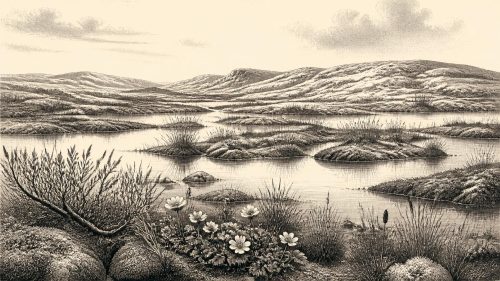
30,704 BCE is a modern label rather than a precisely recoverable Irish year. During late Marine Isotope Stage 3, Ireland experienced unstable glacial and periglacial conditions, with evidence limited to broad dated ranges. Derryvree, County Fermanagh, preserves freshwater sediments dated around 36,900–31,700 calibrated BP, indicating a cold, open, largely treeless wetland with tundra plants, insects and pools between glacial episodes. Castlepook Cave, County Cork, records mammoth, reindeer, giant deer, predators and cold-adapted fauna, though deposits are mixed. A marked reindeer femur may indicate brief human butchery, not settlement. No evidence supports societies, polities or recorded events; environmental change dominates overall.
Read Article
Archived: 25 September 2026
Abstract
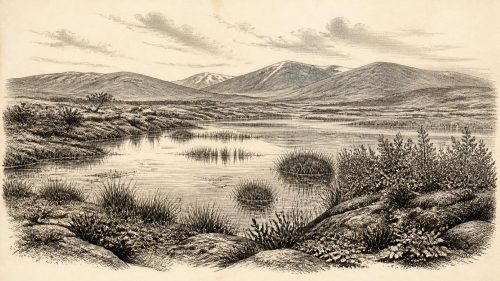
Around 30,705 BCE, Ireland lay within the unstable Middle Midlandian of Marine Isotope Stage 3, rather than a datable historical year. At Derryvree near Maguiresbridge, Fermanagh, freshwater organic deposits between glacial tills record an ice-free interval, although their radiocarbon age spans a broad range. Pollen, plants, mosses and insects indicate open, treeless, periglacial tundra with shallow water, sedges and cold-adapted flora. Cave remains from Cork and Waterford show that mammoths, reindeer, predators and lemmings intermittently reached Ireland, but mixed deposits prevent precise associations. No secure evidence confirms human presence, settlement, politics or culture. These fragmentary records reveal a varied landscape.
Read Article
Archived: 25 September 2026
Abstract
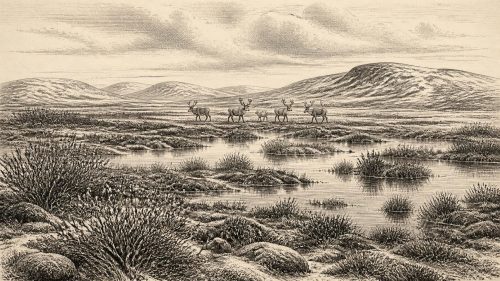
Circa 30,706 BCE, Ireland lay within the unstable cold conditions of Marine Isotope Stage 3, not a documented historical era. Derryvree, County Fermanagh, preserves organic freshwater sediments between glacial tills, dated broadly near this period. Plants, mosses, insects and sediments indicate an open, wet, tundra-like landscape with severe winters, rather than woodland or permanent refuge. Castlepook Cave, County Cork, contains varied Ice Age fauna, including mammoth, giant deer, reindeer, hyaena and Arctic fox, demonstrating ecological links with north-west Europe. A possibly butchered reindeer bone offers provisional evidence of human presence, but no settlement or established economy. They reveal ice-transformed landscapes.
Read Article
Archived: 25 September 2026
Abstract
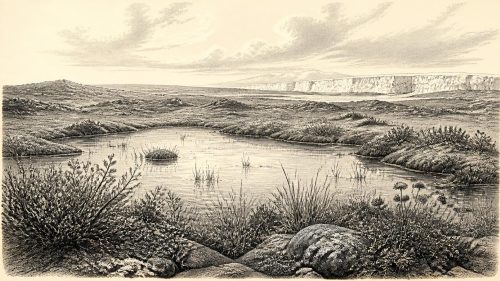
At the modern filing date 30,707 BCE, Ireland’s Late Pleistocene history is reconstructed from uncertain environmental evidence, not records of events or societies. Derryvree, County Fermanagh, preserves freshwater sediments between glacial tills, indicating a locally ice-free MIS 3 interval with tundra vegetation, wetlands and permafrost-influenced conditions. Its radiocarbon dates provide broad calibrated ranges rather than annual precision. Castlepook Cave, County Cork, contains diverse cold-stage fauna, demonstrating periodically viable open habitats and food webs, although its bones accumulated over time. A possibly cut-marked reindeer femur offers disputed evidence of human activity, not settlement. Later ice expansion destroyed or buried early evidence.
Read Article
Archived: 25 September 2026
Abstract
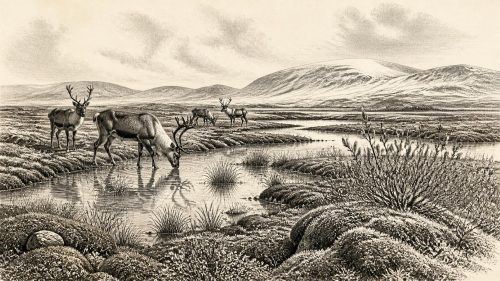
The label 30,708 BCE cannot identify a recoverable Irish year, but falls within a broad MIS 3 climatic interval. At Derryvree, County Fermanagh, freshwater sediments between glacial tills, including radiocarbon sample BIRM-166, indicate an ice-free episode around 33,500 calendar years BP. Plant and insect remains reveal cold, open, boggy tundra wetland. Later ice buried the site, while the Last Glacial Maximum followed millennia afterwards. Castlepook Cave, County Cork, preserves diverse cold-stage fauna, including mammoth and reindeer. A cut-marked reindeer bone may suggest human butchery, but cannot establish settlement. Together, the fragmentary evidence supports cautious environmental reconstruction, not annual social history.
Read Article
Archived: 25 September 2026
Abstract
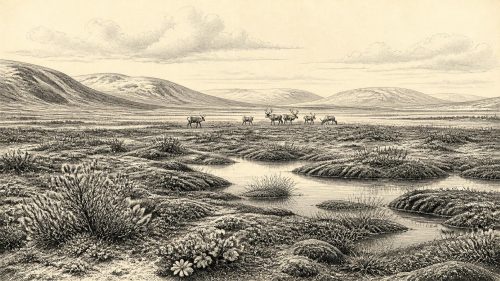
30,709 BCE is a modern label for an uncertain Late Pleistocene interval, not a recoverable Irish year. At Derryvree, County Fermanagh, freshwater sediments between tills record an ice-free local wetland, supporting tundra vegetation, insects and cold-adapted plants during fluctuating MIS 3 conditions. Cave calcite and glacial evidence likewise indicate changing climate and ice extent, before the later Last Glacial Maximum. Irish caves preserve mammals including mammoth, reindeer, giant deer and predators, although dates and pathways remain uncertain. A cut-marked reindeer bone from Castlepook may indicate human butchery, but cannot demonstrate settlement. No evidence supports polities, agriculture, permanent communities or culture.
Read Article
Archived: 25 September 2026
Abstract
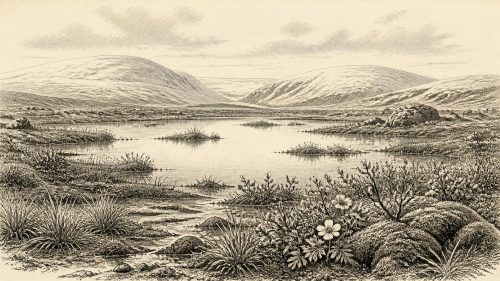
Labelled 30,710 BCE, this interval belongs to Marine Isotope Stage 3 and cannot be reconstructed as a single Irish year. At Derryvree, County Fermanagh, freshwater sediments between glacial tills, broadly dated to the period, preserve evidence of an ice-free interval: shallow water, wetland plants and open, periglacial tundra. Ireland’s ice cover, coastlines and possible travel routes changed repeatedly. Castlepook Cave, County Cork, yielded cold-stage animals including mammoth, reindeer, giant deer, predators and lemmings, though its deposits are mixed and imprecisely dated. Human presence remains uncertain: a cut-marked reindeer bone suggests visitation, but no contemporary settlement, tools or society is established.
Read Article
Loading more articles…

