312th Century Ireland BCE
Archived: 20 September 2026
Abstract
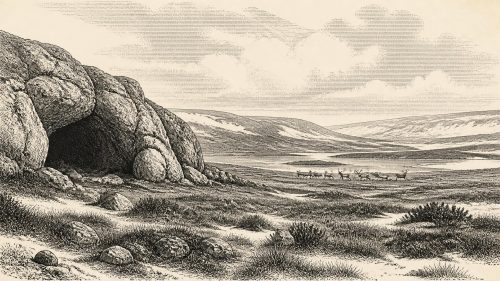
Around 31,101 BCE, Ireland experienced fluctuating Ice-Age conditions during Marine Isotope Stage 3, with expanding ice, periglacial landscapes and occasional open grazing ground. Lower sea levels altered coasts but do not prove a land bridge to Britain. Castlepook Cave, County Cork, preserves Ireland’s richest pre-Last Glacial Maximum faunal archive, containing mammoth, reindeer, giant deer, bear and hyaena remains accumulated over millennia. A cut-marked reindeer femur, dated broadly around 31,000 BC, may indicate mobile Upper Palaeolithic people processing carcasses. However, it cannot prove settlement, hunting, culture or social organisation. The evidence instead reveals changing environments and a possible early human presence.
Read Article
Archived: 20 September 2026
Abstract
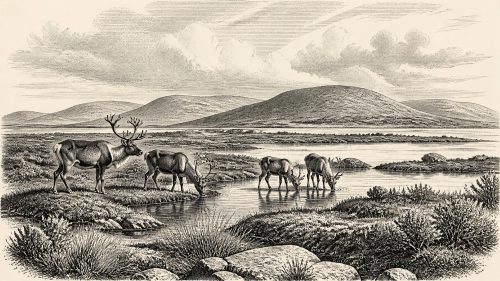
31,102 BCE is a notional date within Marine Isotope Stage 3, not a recoverable Irish year. Radiocarbon and sediment evidence from Derryvree and Greenagho in Fermanagh records ice-free freshwater wetlands between glacial advances, supporting open, cold vegetation and unstable habitats. Castlepook Cave in Cork preserves a complex, long-accumulated fauna including reindeer, mammoth, giant deer, hyaena and Arctic species, indicating intermittent ecological links with Britain and Europe. No secure evidence establishes human settlement, though a possibly worked reindeer bone may indicate a provisional visit. Ireland remained environmentally varied, increasingly glaciated and without recoverable political, social or annual history at this horizon.
Read Article
Archived: 20 September 2026
Abstract
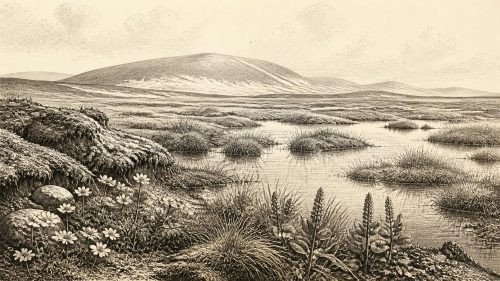
31,103 BCE is a label within a Late Pleistocene range, not a datable Irish event. Derryvree, County Fermanagh, preserves organic freshwater sediments between glacial tills, indicating an ice-free, cold, treeless wetland during part of Marine Isotope Stage 3. Mosses, sedges, mountain-avens and bogbean reveal tundra-like, seasonally thawed conditions, while later ice sealed the deposit. Ireland was not necessarily uniformly glaciated before the Last Glacial Maximum, but comprised changing regional environments. Castlepook Cave fauna records cold-adapted mammals and predators over time. A possibly cut-marked reindeer bone may indicate human contact, yet cannot establish settlement, population or activity in any single year.
Read Article
Archived: 20 September 2026
Abstract
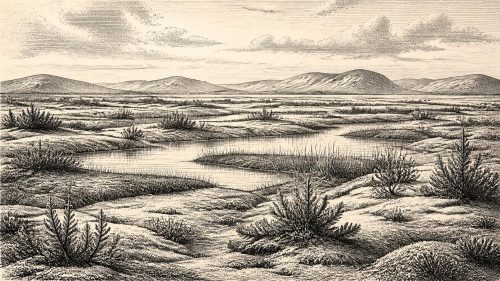
31,104 BCE is a modern filing date, not a datable Irish event. Derryvree, County Fermanagh, preserves freshwater silts and organic remains between glacial tills, indicating an ice-free late-MIS-3 interval of cold, open, waterlogged tundra with pools, sedges, insects and sparse shrubs. It disproves continuous island-wide glaciation but cannot define conditions across Ireland. Castlepook Cave, County Cork, contains time-averaged remains of mammoth, reindeer, giant deer and predators, demonstrating intermittent ecological connections with north-west Europe. A possibly cut-marked reindeer bone suggests brief Upper Palaeolithic human activity, but proves neither settlement nor hunting. Together, these fragmentary archives document dynamic environments, not an history.
Read Article
Archived: 20 September 2026
Abstract
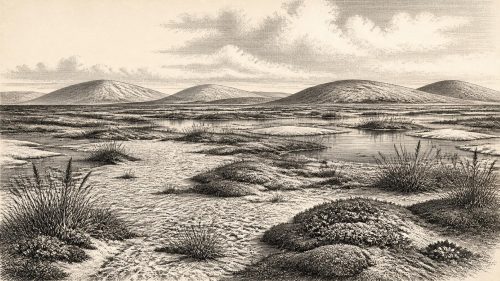
31,105 BCE is a modern label within a broad Late Pleistocene radiocarbon range, not a recoverable Irish year. At Derryvree, County Fermanagh, organic freshwater sediments between tills record an interval between glacial advances, comprising cold, treeless muskeg with sedges, mosses, dwarf shrubs and seasonal liquid water. Castlepook Cave, County Cork, preserves a complex, time-mixed fauna including reindeer, mammoth and predators, demonstrating intermittent Ice Age animal occupation but not coexisting species. No secure evidence establishes human settlement. A possibly stone-cut reindeer bone may suggest brief human activity, but remains unconfirmed. Approaching renewed ice-sheet growth, Ireland’s past remained environmentally defined and uncertain.
Read Article
Archived: 20 September 2026
Abstract
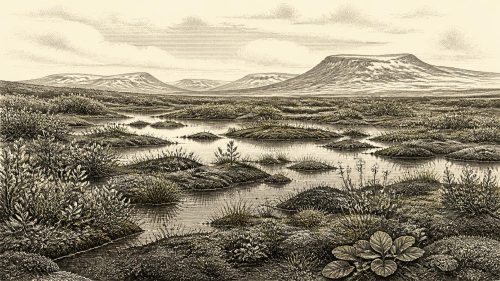
At 31,106 BCE, a modern label within a broad radiocarbon range, Ireland experienced unstable late Marine Isotope Stage 3 conditions. Derryvree, County Fermanagh, preserves freshwater sediments between glacial tills, indicating an ice-free, treeless periglacial wetland of mosses, sedges, bogbean and tundra plants before later ice advance. Although ice sheets were expanding, glaciation remained uneven and sea-level change did not necessarily create accessible routes. Cave finds suggest cold-adapted mammals, including reindeer, mammoth and predators, but are time-averaged and fragmentary. Possible early human modification of a Castlepook bone remains unconfirmed; secure human evidence is far later. This is primarily regional environmental history.
Read Article
Archived: 20 September 2026
Abstract
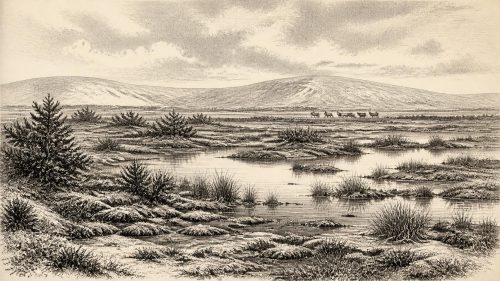
At the nominal date of 31,107 BCE, Ireland’s history is reconstructed from fragmentary Pleistocene evidence rather than annual records. Derryvree, County Fermanagh, preserves freshwater sediments between tills, dating broadly to this interval and indicating a cold, open, waterlogged tundra or muskeg during local ice retreat. Castlepook Cave, County Cork, records cold-stage fauna including mammoth, reindeer, giant deer, predators and smaller Arctic-adapted animals, though not a single contemporaneous community. Lower sea levels did not necessarily create a land bridge to Britain. A modified reindeer bone may suggest early human activity, but no settlement is proven. Later glaciation subsequently erased much evidence.
Read Article
Archived: 20 September 2026
Abstract
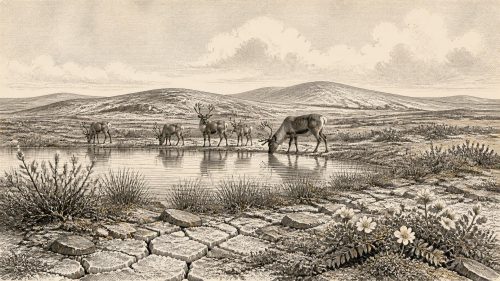
About 31,108 BCE, Ireland’s history is reconstructed through scientific ranges rather than events or communities. Derryvree, near Maguiresbridge, preserves freshwater sediments between glacial tills, dated broadly to 36,900–31,700 calendar years ago, showing north-central Ireland had cold, tundra-like, ice-free habitats before major ice-sheet expansion. Mosses, sedges, insects and other fossils reveal periglacial wetlands amid open ground. Cave assemblages, notably Castlepook, demonstrate intermittent presence of mammals including reindeer, mammoth and predators. A marked reindeer femur may indicate human carcass processing, but cannot prove settlement. No evidence supports claims for societies, farming, monuments or named peoples; the record remains fragmentary, local and environmental.
Read Article
Archived: 20 September 2026
Abstract
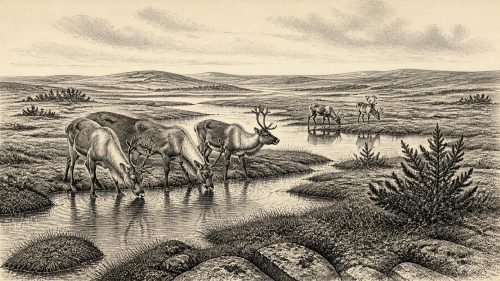
31,109 BCE is a modern chronological label, not a dateable Irish event. During Marine Isotope Stage 3, Ireland experienced unstable cold conditions before maximum glaciation. Derryvree, County Fermanagh, preserves freshwater sediments between tills, indicating treeless wetlands with grasses, sedges, herbs, juniper, insects and shallow pools during an ice-free interval. Castlepook Cave, County Cork, yielded mammoth, reindeer, hyaena and other cold-adapted fauna, demonstrating open grazing country and changing connections to north-west Europe. A cut-marked reindeer bone may indicate human carcass processing about 33,000 years ago, but cannot prove settlement. Subsequent ice expansion destroyed or buried much earlier evidence across the island.
Read Article
Archived: 20 September 2026
Abstract
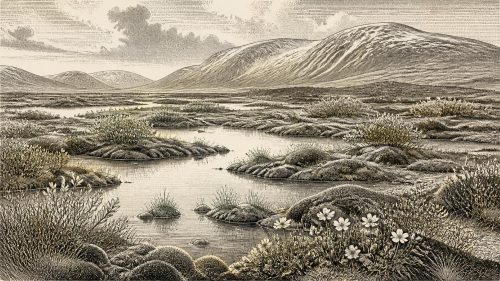
31,110 BCE is not a precise Irish historical date but falls within a broad later Last Glacial Period interval. At Derryvree, County Fermanagh, organic freshwater deposits beneath a drumlin, radiocarbon dated BIRM-166, reveal open, treeless periglacial tundra with sedges, herbs, mosses, pools and cold-adapted plants. Ireland’s conditions varied regionally as ice expanded and sea levels stood lower. Castlepook Cave, County Cork, preserves diverse late Pleistocene fauna, although its disturbed remains span multiple episodes. A possibly tool-marked reindeer bone suggests, but does not establish, human presence. No secure evidence supports settlements, institutions or cultural practices; glacial erosion has severely limited survival.
Read Article
Loading more articles…




