Archived: 28 October 2026
Abstract
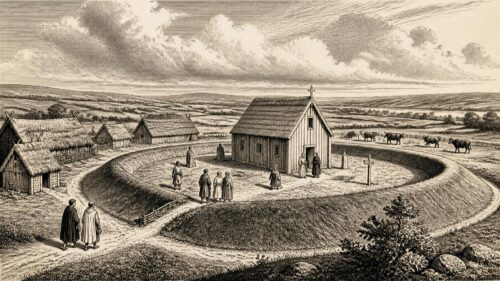
In 903, Irish annals recorded political and ecclesiastical transitions rather than a major campaign. Máel Finnia of Brega, recently associated with Dublin’s Scandinavian expulsion, died and received praise emphasising piety, generosity and martial authority. At Treóit near Tara, Máel Mithig and Áengus committed an unnamed killing at Flann Sinna’s instigation, showing royal influence exercised through kinship and local allies. Deaths among rulers in Laíges, Tuirbe and Uí Cheinnselaig indicated regional succession pressures. Senior churchmen also died, underlining monasteries’ administrative and political importance. Divergent annals require chronological caution. The year reveals power resting on fragile relationships between dynasties, churches and communities.
Read Article
Archived: 28 October 2026
Abstract
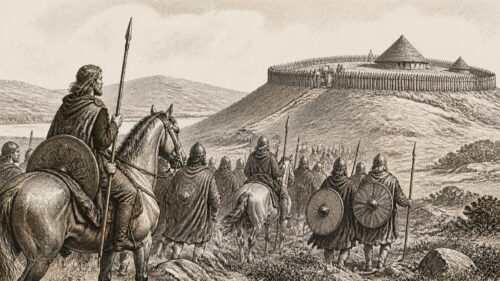
In annalistic 897, Máel Finnia of Brega defeated Ulaid and Dál nAraidi forces at Rath Cró, killing two kings and wounding Aidíth of Ulaid. Flann Sinna of Tara campaigned in Connacht, extracting pledges that demonstrated contested high-kingship. Uathmarán of Uí Fhailgi was killed by his own people, while Cormac of Mothail gained Déisi kingship after killing Máel Bennachta. Cathasach, tanist-abbot of Armagh, died. Aidíth was later murdered by associates. Dublin remained Scandinavian in 897; its expulsion belonged to 902. The sources reveal regional warfare, unstable succession and church politics, but cannot support broader claims about ordinary life or environmental conditions.
Read Article
Archived: 28 October 2026
Abstract
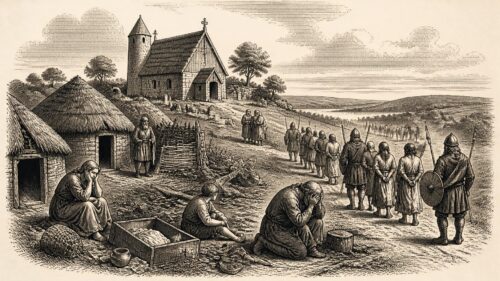
In 895, during the year, according to annalistic chronology, Dublin raiders led by Glún Iarainn plundered Armagh, reportedly carrying off 710 captives and damaging its church. The attack exposed the vulnerability of a major ecclesiastical and political centre. Elsewhere, Dub Lachtna of Caisel and churchman Máel Petair died; Cellach, Brega’s leading heir, was treacherously killed; and Muiredach of Ulaid fell in regional conflict. Heavy snowfall and great scarcity disrupted subsistence, likely worsening hardship without proving direct causes for violence. These fragmented records portray Ireland as interconnected kingdoms and churches, where sacred wealth, political succession, and ordinary survival remained precariously entwined.
Read Article
Archived: 29 October 2026
Abstract
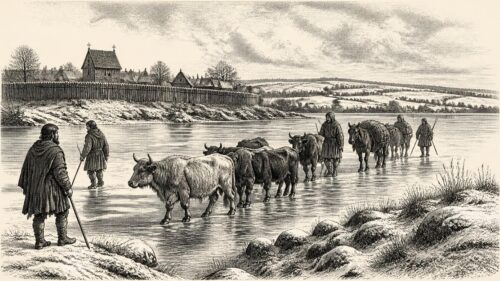
Annals conventionally dated to 821 depict severe winter conditions, when ice enabled livestock and laden traffic to cross waters, reshaping movement across Ireland. Political rivalry centred on Brega: Murchad of Cenél nÉogain gained secret submissions after reaching Ard Brecáin, while Conchobar of Mide later campaigned there, inflicting heavy losses and compelling Uí Chernaig submission. Other killings involved Ard Ciannachta. In Connacht, Uí Briúin suffered defeat at Tarbga; in Bréifne, Cenél Feidlimthe killed King Máel Dúin. Local groups also defeated the Delbna. Deaths of leaders at Birr and Achad Bó underline monasteries' political, economic and scholarly importance amid fragmented, competing lordships.
Read Article
Archived: 30 October 2026
Abstract
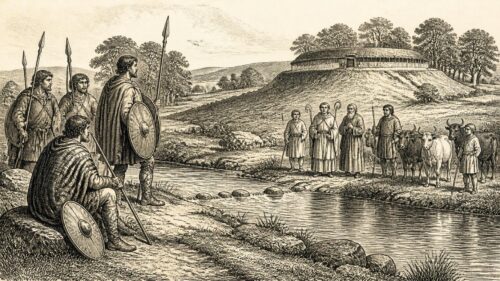
In annalistic year 766, Ireland’s fragmentary records reveal political rivalry and ecclesiastical links. Folloman, king of Mide, was treacherously killed after supporting Donnchad Midi, while fighting between Mide and Brega claimed Máel Uma and Donngal. In Connacht, Dub Innrecht’s Uí Briúin defeated the Conmaicne at Sruthair, killing many, including Áed Dub. In Munster, Uí Fhidgeinte and Araid Cliach defeated Máel Dúin at Énboth Breg. Crimthann, abbot of Clonfert, died, and Suibne, abbot of Iona, visited Ireland. These notices depict competing dynasties, powerful churches, and Irish Sea connections, while leaving ordinary life largely unrecorded and offer no evidence of Viking raids.
Read Article
Archived: 31 October 2026
Abstract
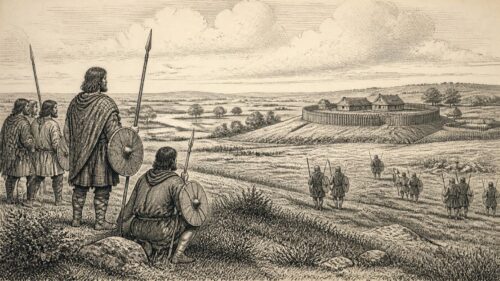
In 749, Irish annals recorded warfare, killings, fires, ecclesiastical deaths and ominous phenomena. At Ard Ciannachta near the Boyne, Dúngal son of Amalgaid won a battle in which Ailill son of Dub dá Crích fell, while Domnall son of Cináed, initially victorious, died in a counter-attack. Cathusach, king of the Cruithin, was killed in Ulaid. Clonfert and Cell Mór burned, and several abbots and rulers died. Iona’s community suffered drowning, while a great windstorm was noted. Ships reportedly appeared above Clonmacnoise, a prodigy reflecting annalists’ providential outlook. Together, these sparse records reveal political fragmentation, vulnerable religious institutions and environmental dangers.
Read Article
Archived: 1 November 2026
Abstract
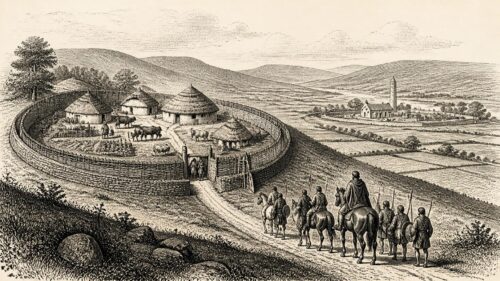
In 712, Irish annals record regional conflicts, dynastic deaths and ecclesiastical losses rather than a unified national crisis. Maíne, a descendant of Áed Sláine, was killed by Flann in Brega, while violence also affected the Ulaid, Cenél Laegaire and southern Leinster. Cú Cerca of Osraige died, and Cormac son of Máenach, king of Munster, fell to the Northern Déisi at Carn Feradaig. Ceode of Iona and Dub Guaile of Glendalough died. An annal noted Bede’s scholarly work. Rural society, farming, maritime connections and monastic networks continued, although sources provide little detail on causes, places or outcomes in the surviving record.
Read Article
Archived: 1 November 2026
Abstract
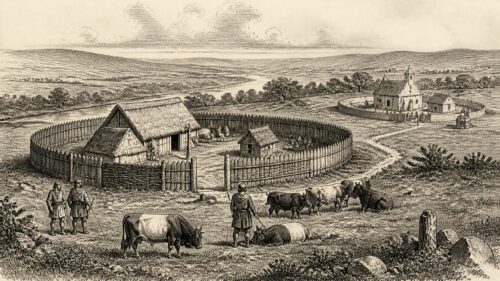
In 701, Niall son of Cernach was killed at the uncertain site of Drumain Ua Casáin by Írgalach, intensifying rivalry between branches of the southern Uí Néill in Brega. Later Columban tradition portrayed the killing as a violation of sanctuary linked to Kells and Írgalach’s death as retribution, though contemporary annals give no details. The year also recorded cattle mortality, threatening wealth, food production, tribute and rural livelihoods. In Munster, Ailill, king of Mumu, and Conall of Uí Fidgente died, prompting uncertain political transitions. Colmán ua hOrc, abbot of Clonard, also died, highlighting ecclesiastical institutions’ religious, economic and political influence.
Read Article
Archived: 2 November 2026
Abstract
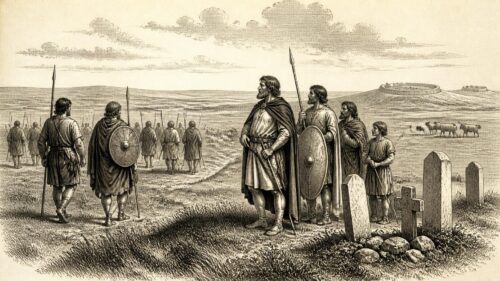
In 688 CE, a battle remembered as Imlech Pich exposed the fragility of power in Brega, the politically important plain north of the River Liffey. The early Irish annals agree on the core result: Niall son of Cernach Sotal defeated Congalach son of Conaing; Dub dá Inber, king of Ard Cianachta, and Uarchride, king of Conaille Muirthemne, were killed; Congalach escaped. They also record the death of Ségéne, bishop of Armagh, and state that the high-king Fínnechta Fledach entered clerical life. These are unusually consequential notices for one year, but they require careful handling. No annal supplies a day, a
Read Article
Archived: 2 November 2026
Abstract
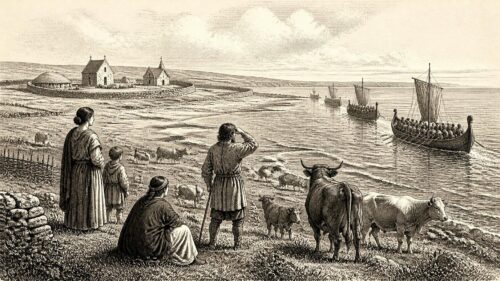
In 684 CE, a Northumbrian force crossed the Irish Sea and devastated Mag Breg, the rich plain of Brega in the eastern midlands. The expedition, sent by Ecgfrith, king of Northumbria, and led by his ealdorman Berht, is the year’s firmly dated Irish event. It was brief in the surviving record, but its targets make it unusually revealing: the raiders struck a politically central region and, according to both Irish and Northumbrian testimony, did not spare churches. For the communities of Brega, June brought not an abstract clash between distant kingdoms but the loss of movable wealth, damaged settlements, disrupted
Read Article


